
Is Your Bill Too High? The Cost to Heat Water with Electricity Explained
Did you know that water heating is likely the second-largest energy expense in your home?
For the average household, it accounts for roughly 18% to 20% of the total monthly utility bill. Whether you are taking a long, hot shower, running the dishwasher, or doing a load of laundry, your water heater is constantly working behind the scenes.
Understanding the true cost to heat hot water with electricity is crucial for household budgeting. Once you know exactly how your appliance consumes energy, and the variables that drive up your bill, you can take actionable steps to drastically reduce those costs.
This guide will break down how electric water heating costs are calculated, what factors influence them, and how you can save money by implementing a proper home battery energy management system, starting today.
Types of modern-day electric water heaters
The baseline cost of heating water depends heavily on the technology you use. Not all electric water heaters are created equal:
Standard storage tank water heaters
This is the most common type found in homes. It continuously heats and stores water in a tank so it's ready when you need it. Because it maintains the water temperature 24/7, it suffers from "standby heat loss," which can slowly drive up your electricity bill even when you aren't using water.
Tankless (on-demand) water heaters
These tankless water heater units do away with the storage tank entirely. They use powerful electric coils to heat water instantly as it flows through the pipes. While they have a higher upfront cost, their running costs are much lower because they eliminate standby heat loss.
Heat pump (hybrid) water heaters
Instead of generating heat directly, these innovative units pull ambient heat from the surrounding air and transfer it to the water in an enclosed tank. They are incredibly energy-efficient, using up to 60% less electricity than standard storage tank models.
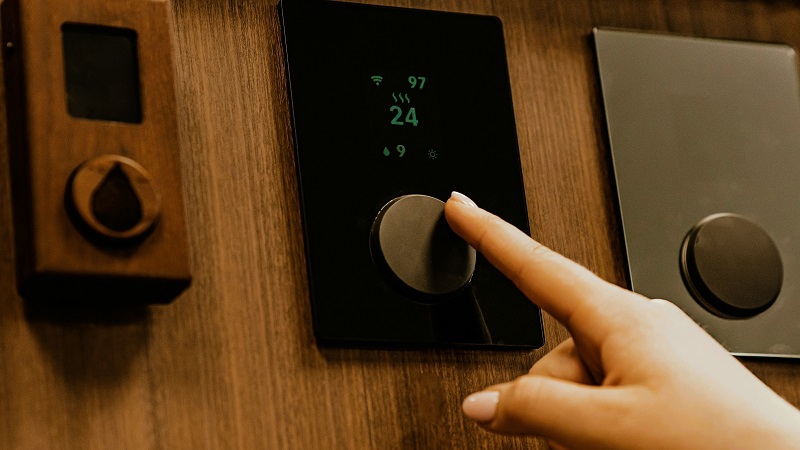
Key factors impacting electricity consumption when heating water
Two homes with the exact same water heater might see vastly different monthly electricity bills. Here's why:
Household size and water usage: Simply put, the more people in a house, the more hot water is needed for showers, laundry, and dishes. Volume is the biggest driver of cost.
Incoming groundwater temperature: If you live in a colder climate (like the Northeast or Midwest), the water entering your home from the municipal line is much colder than in a warm climate. Your water heater has to work harder and use more electricity to raise that colder water to a comfortable baseline.
Thermostat setting: Many manufacturers set water heaters to 140°F by default. However, for every 10 degrees you reduce the temperature, you can save 3% to 5% on water heating costs. The Department of Energy recommends setting it to 120°F.
Age and efficiency of the heater unit: Older units naturally lose their efficiency over time, often due to mineral and sediment buildup inside the tank. Newer units come with better Uniform Energy Factor (UEF) ratings, meaning they convert electricity into heat much more efficiently.
Local electricity rates: The cost of electricity (measured in cents per kilowatt-hour, or kWh) varies wildly depending on your region and your utility company. Additionally, if you are on a Time-of-Use (TOU) plan, heating water during peak evening hours will cost significantly more than doing it in the middle of the night.
How much does it cost to heat water with electricity: an estimation
If you want to know exactly the cost to heat water with electricity, you need to estimate it with a simple formula.
However, you do need to find your heater's wattage (usually printed on a sticker on the side of the tank) and your utility company's rate per kWh (found on your electricity bill).
The formula to find daily kWh consumption:
(Appliance Wattage × Hours Used Per Day) ÷ 1000 = Daily kWh consumption
Calculating the cost:
Daily kWh × Local Electricity Rate = Daily Cost (Multiply this by 30, as in 30 days of a month, to get your estimated monthly cost).
Example:
A typical 4,500-watt electric water heater running for about 3 hours a day consumes 13.5 kWh daily. At a national average electricity rate of $0.18 per kWh, that costs $2.43 per day, or roughly $72.90 per month/30 days ($875 a year).
6 smart ways to reduce your water heating bills
The good news is that you don't have to tolerate high utility bills. The following are some actionable ways to cut your water heating costs, ranging from simple behavioral shifts to advanced smart-home upgrades.
Lower the thermostat
Turn your water heater's thermostat down to 120°F. This is hot enough for safe household use and minimizes expensive standby heat loss.
Insulate
Wrap older storage tanks in an insulating blanket and insulate exposed hot water pipes. This helps the system retain heat, meaning it uses less electricity to keep the water warm.
Fix leaks & upgrade fixtures
A leaky hot water faucet is literally money down the drain. Fix leaks promptly, and install low-flow showerheads and aerators to reduce the overall volume of hot water your household demands.
Shift usage
Run heavy water appliances like your dishwasher or washing machine during off-peak grid hours (usually late at night or early in the morning) when electricity rates are cheaper.
Optimize TOU rates with the EcoFlow OCEAN Pro
The most advanced way to eliminate high water-heating bills is to bypass peak grid rates entirely using smart home battery storage. The EcoFlow OCEAN Pro system allows you to store cheap off-peak grid energy, or entirely free solar power, with an impressive maximum solar input of 40kW. During expensive peak utility hours, the system powers your high-demand appliances, thereby lowering your monthly utility bills.
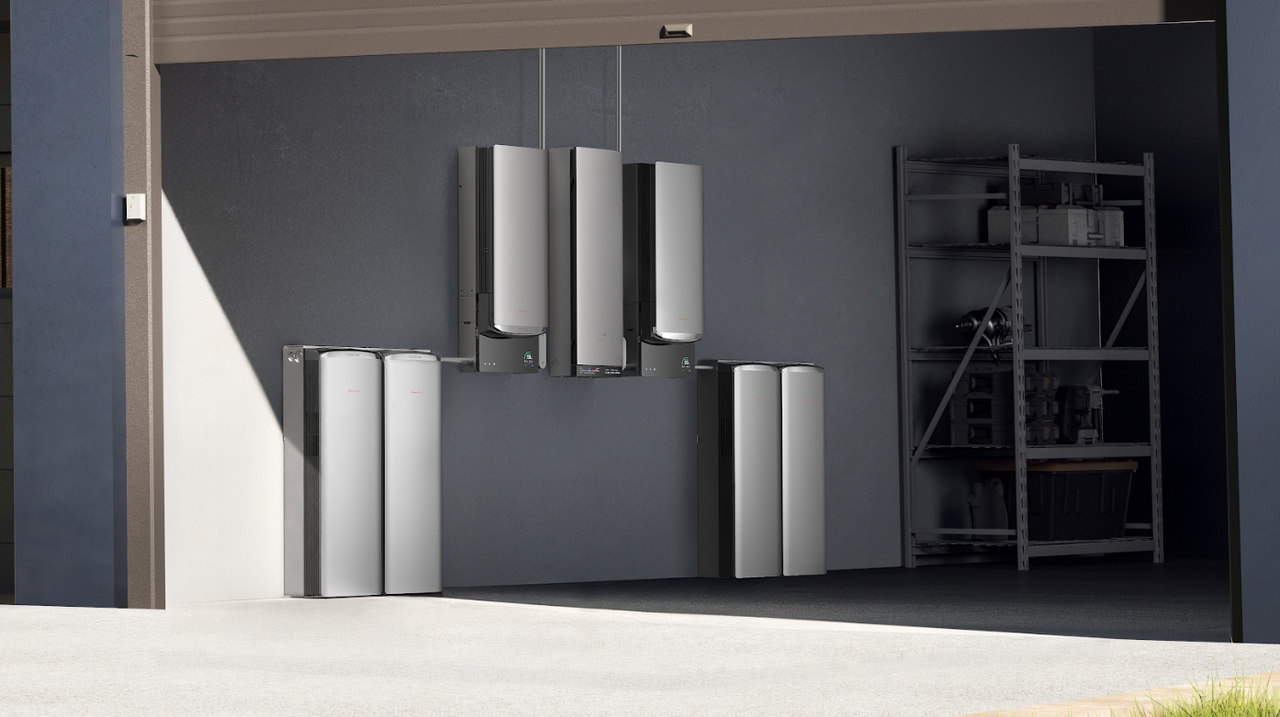
With a massive 205A LRA (Locked Rotor Amps) capability, it can easily handle the heavy startup loads of large electric or heat pump water heaters. Additionally, the system is highly scalable, as it supports up to 8 battery units for a total of 80kWh of capacity, ensuring your home runs efficiently without the premium price tag.
Get Your Free Home Energy Consultation!
Which energy solution are you interested in?

Perform routine maintenance
Flush your water heater tank at least once a year. Over time, minerals and sediment build up at the bottom of the tank, insulating the heating element from the water. This forces the heater to run longer and consumes more electricity to do the same job.
Signing off
While the cost to heat water with electricity represents a significant portion of your monthly energy budget, understanding how your electric water heater works puts you back in control. By keeping track of your household usage, maintaining your equipment, and being mindful of local electricity rates, you can stop overpaying.
Combining basic conservation habits, like lowering the thermostat and adding insulation, with smart home energy storage systems like the EcoFlow OCEAN Pro allows you to enjoy reliable hot water without the sting of a high utility bill.
Frequently Asked Questions (FAQs)
Is it cheaper to heat water with electricity or natural gas?
Historically, natural gas has been cheaper on a month-to-month operational basis. However, highly efficient electric heat pump water heaters are changing this dynamic. When paired with residential solar panels, electric water heating can easily become the most cost-effective option available.
How much does it cost to run a 1500 W heater for 24 hours?
To find the cost, you multiply the wattage by the hours to get watt-hours (1500W × 24h = 36,000 Wh), and then divide by 1000 to get kilowatt-hours (36 kWh). If your electricity costs the national average of $0.18 per kWh, running a 1500 W heater continuously for 24 hours will cost you exactly $6.48.
Does turning down my water heater temperature actually save money?
Yes. Lowering the thermostat from the standard 140°F down to 120°F drastically reduces standby heat loss. It can save a noticeable percentage on your annual energy bill and reduces the risk of accidental scalding.
Should I turn off my electric water heater at night to save electricity?
Generally, no. For standard tank water heaters, it takes significantly more energy to reheat an entire tank of cold water the next morning than it does to simply maintain the temperature overnight. Better solutions include adding tank insulation, upgrading to a heat pump model, or utilizing smart battery systems for TOU optimization.
How much does it cost to heat 1000 gallons of water?
This depends on how cold the water is initially and the efficiency of your heater. Heating 1 pound of water by 1°F requires 1 BTU (British Thermal Unit) of energy. Since 1000 gallons of water weighs about 8,340 lbs, raising the tempera

