
What Clean Energy Charging Means for Large Homes
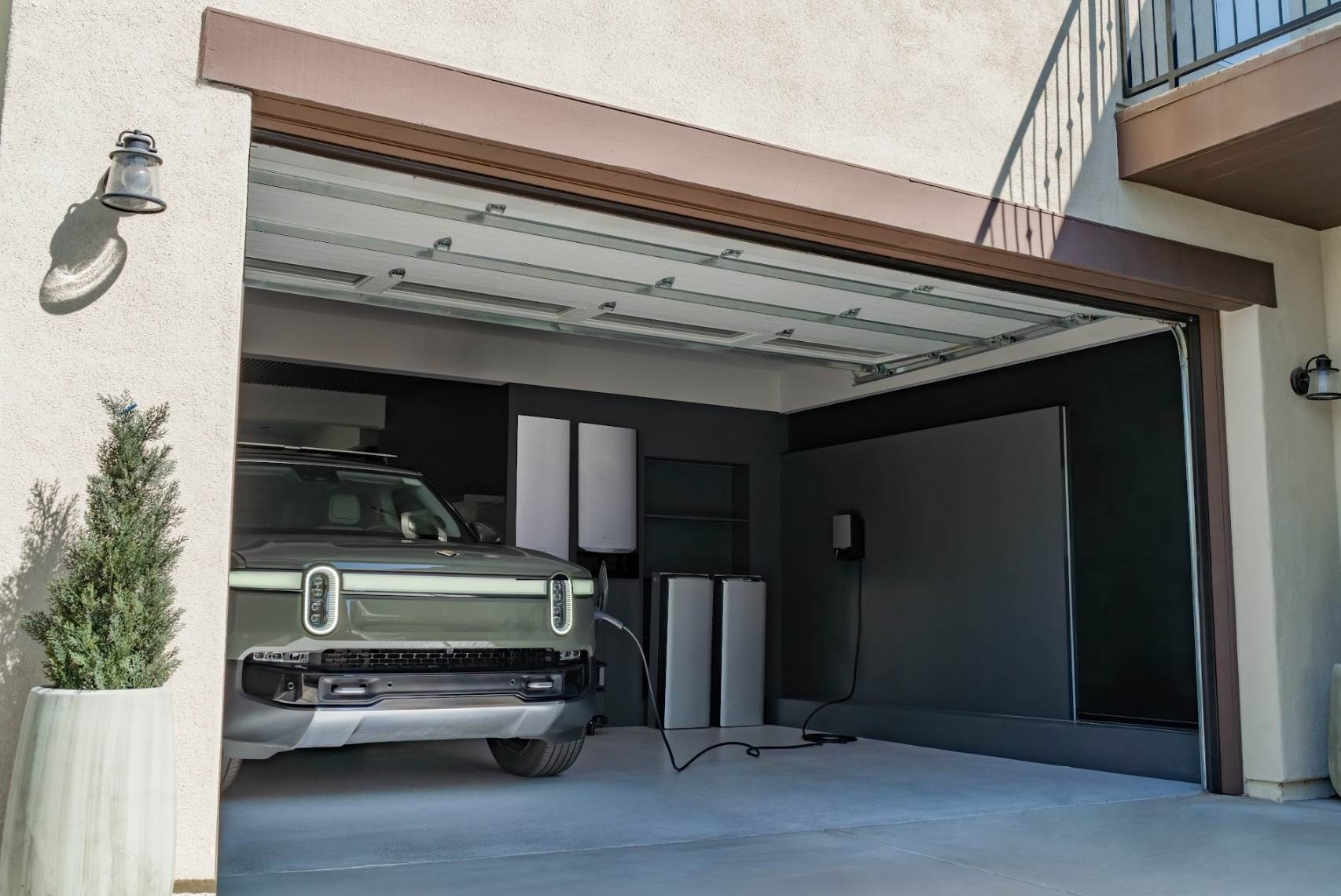
For large homes, clean energy charging is part of daily energy planning across the whole property. It shapes how solar power is used, how battery storage supports evening demand, and how the house handles EV charging, cooling, and outage risk at the same time. When those loads overlap, a weak setup can push costs up quickly. A stronger setup gives the home cleaner power, tighter control, and steadier long-term value.
What Does Clean Energy Charging Mean at Home?
When homeowners ask what clean energy charging means, the answer usually comes down to source and timing. At home, clean energy charging means using lower-emission electricity for EV charging and household demand, often through rooftop solar, stored solar power, or cleaner grid hours. In a large home, that affects much more than one charger. It also shapes how the house handles cooling, hot water, appliances, and evening energy use. The key questions are simple: where does the power come from, and when is the home using it? Those two factors often determine how clean and cost-effective charging really is.
How Can Homeowners Make Charging Cleaner Without Changing Their Entire Lifestyle?
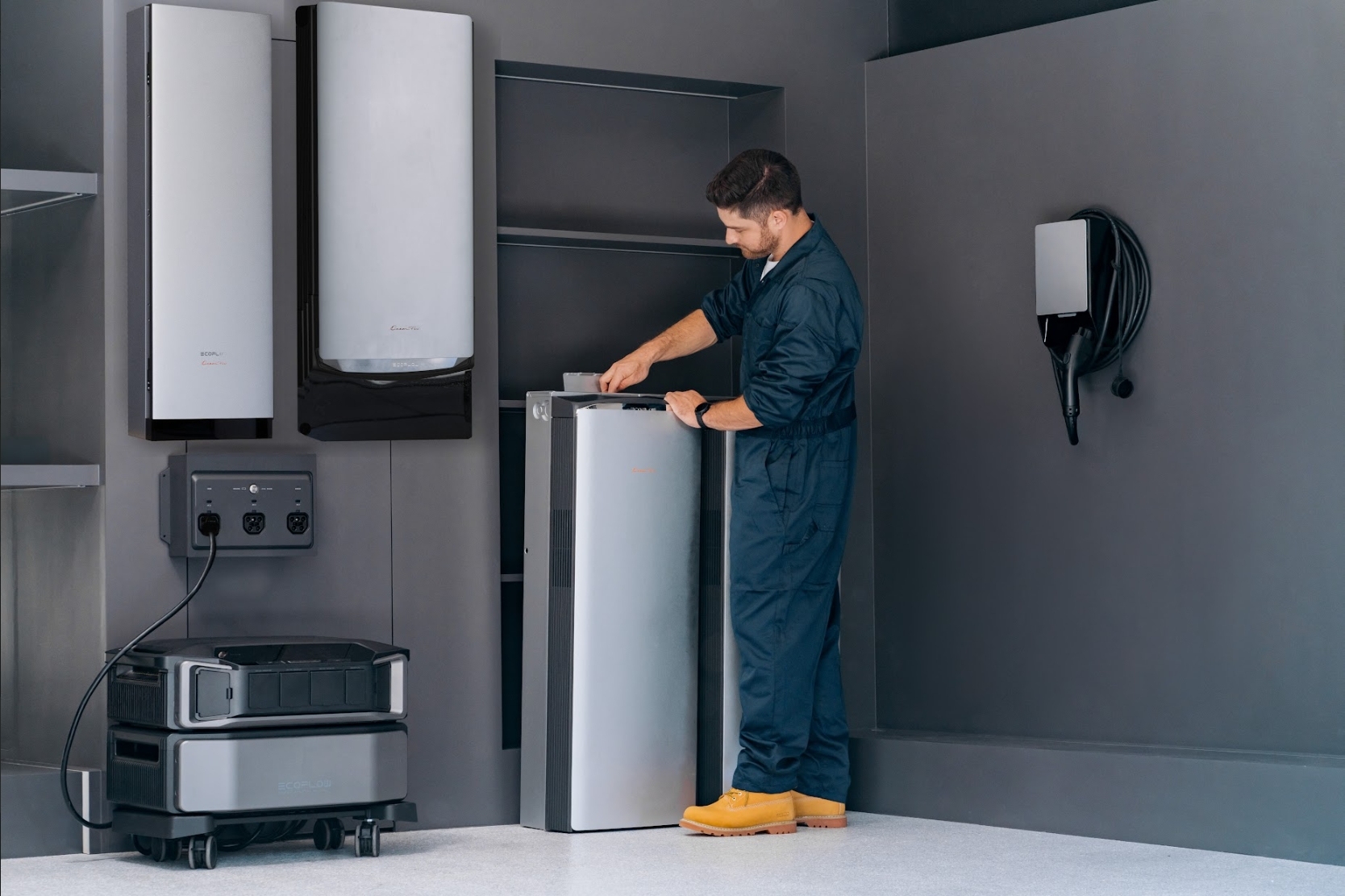
Most families do not need a totally new routine to improve clean energy charging. They need a better match between flexible loads, solar production, battery charging, and utility price periods. In large homes, a few schedule changes can make a real difference because EV charging, pool equipment, laundry, dishwashers, and some water-heating cycles can often move to better hours with little disruption.
Shift Flexible Loads Into Solar Hours
A home with rooftop solar gains the fastest benefit when more daytime production is used on-site. Running laundry in the late morning, charging an EV in the early afternoon, or moving pool pump cycles closer to peak solar production can reduce grid purchases right away. Good monitoring helps because homeowners can see when the house is producing enough power to cover those loads cleanly.
Save Daytime Production for the Evening
Large homes often use their highest-value electricity after work. Air conditioning is still running, the kitchen is active, lights are on across the house, and an EV may be plugged in. A battery helps carry solar production into that evening window, which supports clean energy charging and reduces exposure to higher time-of-use prices. That daily shift is one of the clearest reasons storage belongs in conversation for larger homes.
Keep the Plan Easy to Follow
A useful plan should fit normal life. Most households do better with a few consistent charging windows than with constant manual changes. If the home can prioritize solar hours, preserve some stored energy for the evening, and avoid the highest rate periods, the system is already moving in the right direction.
Why Do Solar and Battery Storage Change the Way a Home Uses Power?
Solar and battery storage change the daily rhythm of a home because generation and use no longer have to happen at the same moment. That is especially important in large homes, where demand often stays high for hours after rooftop solar output begins to fall. Storage gives the home a way to keep using cleaner electricity after sunset and to maintain critical service during outages.
Daily Use Feels Different in a Large Home
In a smaller home, the gap between midday production and evening demand can stay manageable. In a larger home, that gap often widens because the house may be cooling several zones, powering larger appliances, and serving one or two EVs. Storage helps close that gap. It turns solar power from a daytime resource into a tool that can support the home when family life is actually happening.
Whole-Home Storage Supports Larger Household Demands
This distinction matters for the audience here. A large home storage system is designed to work with the home’s electrical setup, support daily load shifting, and respond to the ongoing demands of the property. For homeowners planning around central HVAC, larger kitchen loads, well pumps, pool equipment, or EV charging, clean energy charging works best as part of a whole-home strategy.
Get Your Free Home Energy Consultation!
Which energy solution are you interested in?

Is Clean Energy Charging Good for Homes With EVs and High Power Demand?
For many large homes, the answer is yes. Clean energy charging can be a smart choice when the house uses a lot of electricity in the late afternoon and evening. It can help reduce reliance on expensive peak-hour grid power, improve the use of solar energy generated during the day, and keep stored power available for outages or other high-demand periods.
The value becomes much easier to see in homes with EVs, central air conditioning, electric water heating, and other large loads. These homes often produce strong solar power during the day but still pull heavily from the grid after sunset, when utility rates may be higher, and household demand is still rising. A better charging strategy helps shift part of that demand to cleaner and more efficient energy sources.
This also matters for comfort and stability. In a large home, energy pressure often builds at the same time each day. Cooling is still running, dinner is being prepared, lights are on, hot water is in use, and the EV may be charging. If the system depends too heavily on evening grid power, costs can climb quickly. A cleaner charging setup gives the household more control during those hours and supports a more balanced energy plan.
What Should Large Homes Look for in a Smarter Energy Setup?
Large homes need an energy setup that reflects the way the property actually uses power. That means looking past a basic backup label and focusing on load coverage, charging control, solar integration, and outage response. Key advantages of residential battery storage include using daytime electricity later, improving visibility into home energy use, and supporting the home during grid interruptions.
Start with Load Coverage
Begin with the loads that shape daily life. Central air, heat pumps, pool equipment, well pumps, large kitchen appliances, and EV charging usually tell a more honest story than a simple backup claim. If those loads drive the home’s daily energy profile, the storage plan should be built around them. Large homes usually need a whole-home view with real attention to daily demand.
Look for Coordinated Energy Sources
A strong setup should coordinate solar, the grid, and backup sources in a way that feels seamless to the household. EcoFlow OCEAN Pro is positioned as a whole-home solar battery system built around whole-home backup and multi-source integration, including solar, the grid, generators, and V2L EV input. For a large home, that kind of setup fits the real problem: several major loads, changing utility conditions, and a need for steady control across one connected system.
Make Sure the System Fits a Large Home Category
This is where many buyers need to slow down. A large home storage plan should be judged by daily load support, evening performance, outage behavior, and long-term control of household energy flows. The setup should be evaluated by how well it supports daily household loads, evening demand, and backup expectations over time.
Choose a Cleaner Charging Strategy That Fits How Your Home Uses Energy
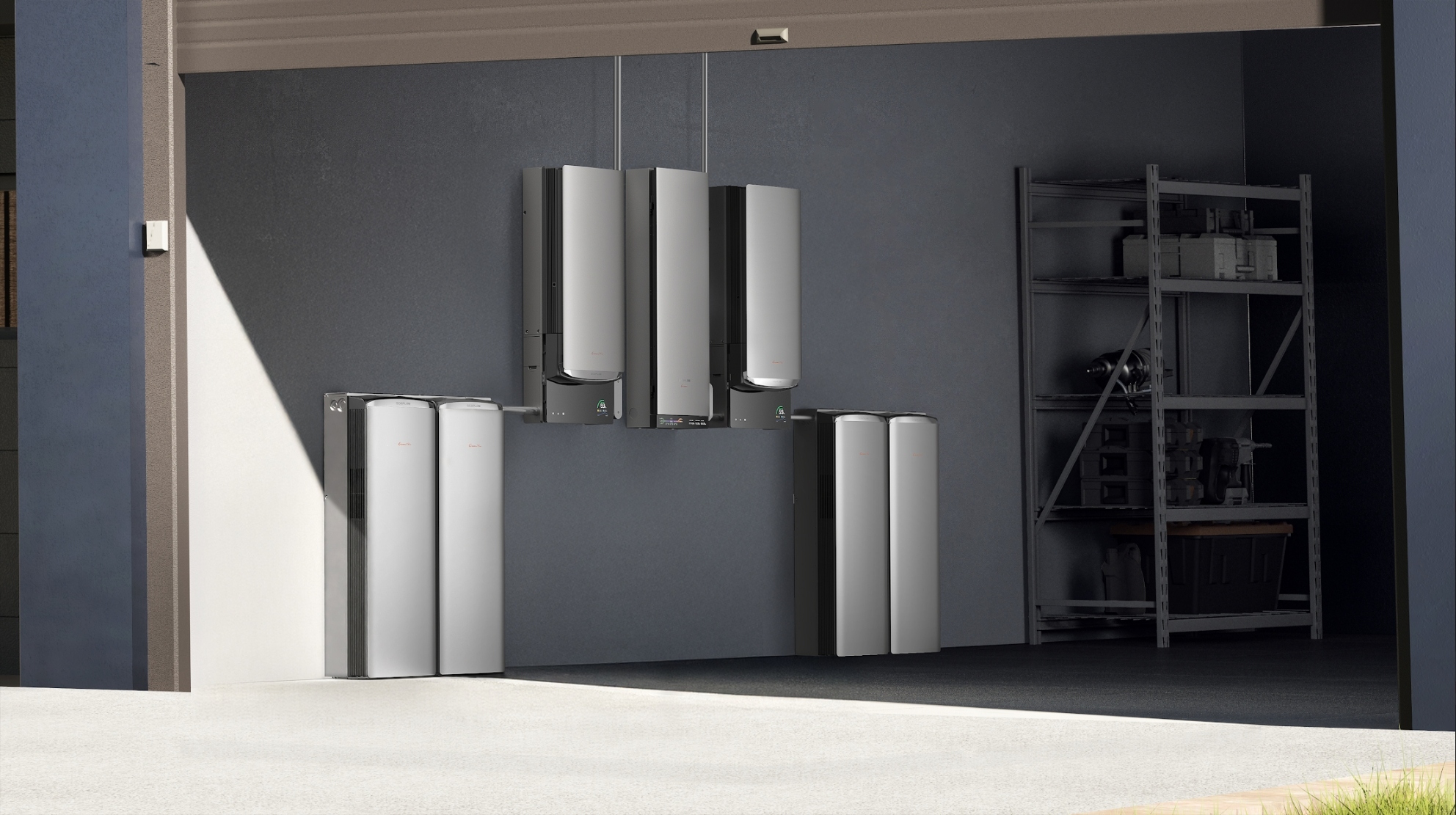
Clean energy charging works best when it matches the load profile of the house, the timing of solar production, and the level of backup the family expects. Large homes usually need a system that can support daily life across several major loads and longer evening demand. If you are comparing whole-home storage options for that kind of property, EcoFlow OCEAN Pro is one product worth reviewing as part of a cleaner and more practical long-term energy plan.
FAQs
Q1: Do I need solar panels to start clean energy charging at home?
No. Solar helps a lot, but it is not the only path. A homeowner can still improve clean energy charging by using cleaner utility programs, scheduling EV charging for lower-impact hours, and choosing a battery-ready setup for future upgrades. For large homes, this can be a practical first step when a full solar installation is not part of the current plan.
Q2: Can clean energy charging help protect a home during short outages?
Yes. A well-planned home energy setup can make short outages easier to handle because stored electricity can support key parts of the house while the grid is down. In a large home, that may include refrigeration, lighting, internet, and selected comfort loads. The exact result depends on system design, but cleaner charging can also support better outage readiness.
Q3: Will clean energy charging force my family to change daily habits?
No. Most families do not need major lifestyle changes. The best results usually come from small adjustments that fit normal routines, such as charging an EV earlier in the day or letting an energy system manage timing automatically. For large homes, convenience matters. A plan that feels easy to live with is usually the one that works best over time.
Q4: Should a large home focus on backup power or everyday savings first?
It depends on the household, but many large homes need both. Some families care most about outage protection, while others want lower peak-hour costs and better solar use every day. A strong whole-home setup should support regular daily value, and still help during grid problems. Looking at only one goal can lead to a system that feels incomplete later.
Q5: Is clean energy charging worth considering before buying a second EV?
Yes. A second EV can change household energy use much faster than many homeowners expect. Charging demand often grows before the rest of the home energy plan is ready for it. Reviewing solar, storage, and charging strategies early can help a large home avoid higher evening costs, limited backup flexibility, and a setup that feels undersized within a short time.

