
Buying or Building a Cape Cod Home: Everything You Need to Know
Are you worried that a traditional cape cod home might come with hidden costs, drafty rooms, or outdated energy systems? Deciding whether to build a new replica or buy an older property can leave you feeling stuck between wanting historic charm and needing modern efficiency. Thankfully, it is now entirely possible to bridge that gap by incorporating advanced home battery technologies into your plans. This guide covers everything you need to know to confidently design, buy, or build a beautifully efficient space.
What is a Cape Cod Home?
Few architectural styles capture the cozy, nostalgic charm of America quite like the Cape Cod home.
Arguably the nation's most recognizable house style, a traditional Cape Cod is defined as a low, broad, single-story frame building featuring a moderately steep pitched gabled roof. The origins of this iconic design trace back to the seventeenth century when Puritan colonists settled in New England. They needed a simple, practical structure built to withstand the region's notoriously harsh and stormy weather.
While the design of New England Cape Cod houses began as a pure survival necessity, it experienced a massive resurgence during the 1930s Colonial Revival period. Thanks largely to the visionary architect Royal Barry Wills, this practical shelter transformed into a beloved, nationwide housing staple.
5 defining characteristics of a Cape Cod style home
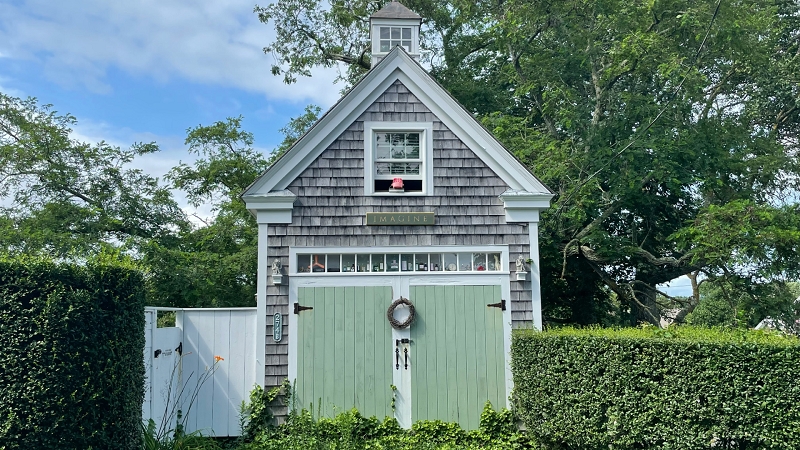
While modern variations and expansions certainly exist today, true Cape Cod homes share a distinct architectural DNA rooted in their historical origins. Whether you are looking at an original seventeenth-century build or a twentieth-century revival, these five characteristics are the hallmarks of the style.
Symmetrical facade and central door
The most immediately recognizable feature of a traditional Cape is its perfectly balanced exterior. The home typically features a central front door that is flanked by an equal number of windows on either side, creating a pleasing and orderly geometry.
Steeply pitched, side-gabled roof
The iconic steep roofline was born out of pure necessity. The high pitch allowed the homes to quickly shed the heavy, accumulating snows characteristic of brutal New England winters. Additionally, this steep angle naturally creates a cozy half-story space directly under the roof, which is often used for bedrooms or extra storage.
Large central chimney
In early Capes, the chimney was the literal heart of the home. Located directly behind the central front door, this massive structural element historically housed multiple fireplaces. This strategic placement allowed a single chimney to radiate heat to several adjoining rooms simultaneously, which was a crucial design choice for surviving freezing temperatures before modern heating systems existed.
Multi-pane, double-Hung windows
The windows on a Cape Cod house are distinctively classic. They are typically double-hung and multi-paned, often featuring a 6-over-6 or 9-over-9 grid pattern. These windows are almost always framed by wooden shutters, which were historically functional to protect against fierce storms but are now mostly used for decorative charm.
Shingle or clapboard siding
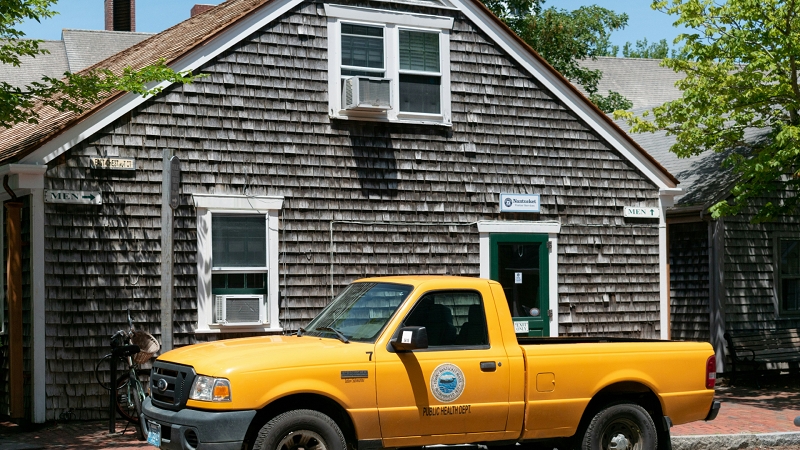
The exterior siding of a traditional Cape is heavily influenced by its coastal environment. Original homes frequently utilized unpainted cedar shakes that would naturally weather to a resilient silvery gray over time. In later Colonial Revival Capes, painted clapboard siding, most commonly in a crisp white, became a highly popular and enduring alternative.
The three traditional types of Cape Cod style homes
As colonial families grew and expanded, so did the size of their homes. This natural evolution led to the development of three distinct historical categories of the Cape Cod style.
The Half Cape (Single Cape): The layout of a Half Cape features the front door positioned on one side of the facade, balanced by two multi-paned windows on the other side. Historically, this modest structure was considered the standard starter home for early New England settlers who were just beginning to establish their homesteads.
The Three-Quarter Cape: The layout of this design includes an offset front door, flanked by two windows on one side and a single window on the opposite side. This style was typically the next step up for growing families who acquired more resources and needed slightly more space than the Half Cape could provide.
The Full Cape (Double Cape): The layout represents the quintessential, perfectly symmetrical Cape Cod design, featuring a central front door with two windows placed equally on each side. Historically, this spacious design was reserved for the wealthiest families, though today it stands as the most common and standard style recognized across the country.
How to create a Cape Cod home style: design & decor
Capturing the true essence of a Cape Cod home requires a thoughtful balance between historical authenticity and comfortable, everyday living. Whether you are building a brand-new replica from the ground up or meticulously renovating an existing space, the goal is to weave the cozy, coastal charm of New England into every design choice.
Interior elements:
Color palette
To bring the outside in, focus on a nautical and nature-inspired color palette. Rely heavily on crisp whites, calming ocean blues, sandy beiges, and soft grays to create a bright, airy atmosphere.
Materials
The architectural details inside are just as important as the exterior. Highlight the space using classic beadboard walls and traditional wainscoting, grounded by the warmth of natural hardwood floors, preferably in oak or pine.
Furnishings
Lean into comfort with your furniture choices. Incorporate cozy, relaxed pieces like slipcovered sofas paired with traditional wooden furniture and carefully curated vintage or antique accents to make the rooms feel lived-in and loved.
Smart energy integration
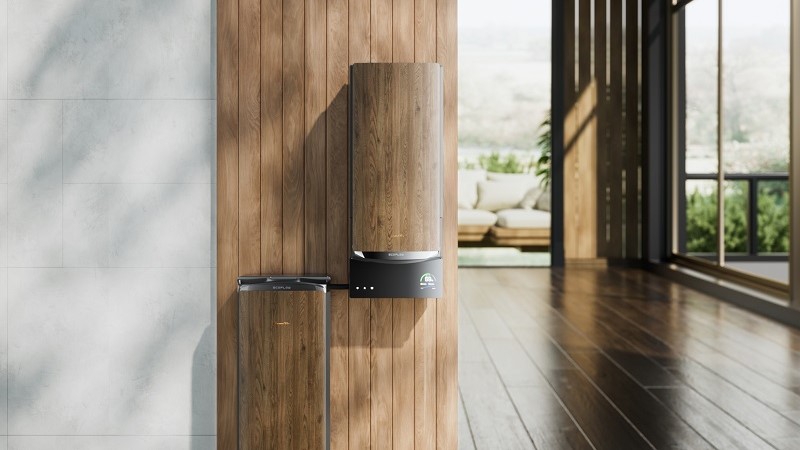
Transitioning a vintage-style home into the modern era requires smart, unobtrusive energy solutions that provide complete independence. Integrating a system like the EcoFlow Ocean Pro allows you to discreetly manage substantial power needs without compromising your home's traditional design.
To seamlessly blend with your decor, the Ocean Pro offers varying interior style designs, including sleek aerospace-grade aluminium, rich walnut wood, and modern performance-grade carbon fibre finishes. Behind these versatile aesthetics, the system delivers a robust nominal output power of either 11.5kW or 24.0kW, ensuring your modernized home runs smoothly without electrical strain.
Because it operates at a quiet noise level of typically less than 45 dB(A), it will not disrupt the tranquil, cozy environment of your living space. Furthermore, the system offers incredible scalability, supporting up to 8 battery units connected to one inverter for a total of 80kWh.
So, if you are looking to integrate Ocean Pro's sustainable energy source, be sure to request a consultation today.
Get Your Free Home Energy Consultation!
Which energy solution are you interested in?


Exterior & landscaping:
The yard
The exterior design should look like a natural extension of classic New England. Use traditional landscaping elements such as charming white picket fences, romantic climbing roses, and welcoming window boxes.
Flora
No Cape Cod exterior is complete without the iconic, lush presence of blue and pink hydrangeas densely lining the home's foundation or framing the front walkways.
Lighting
Finish the exterior aesthetic with authentic lighting choices, utilizing lantern-style exterior sconces flanking the doorways and matching lampposts to guide visitors up the path.
Pros and cons of using Cape Cod homes
Living in a Cape Cod home offers a unique blend of historical charm and practicality, but it is important to take an objective look at what it is actually like to reside in this style of house.
Advantages:
They offer a timeless, undeniable curb appeal that never goes out of style.
The homes feature efficient heating, thanks largely to the traditional central chimney and lower ceilings that keep warmth trapped inside.
They provide a cozy, intimate atmosphere that truly feels like a welcoming home.
Their generally manageable size makes them excellent options for starter homes or for those looking to downsize.
Disadvantages:
Original, unmodified Capes can often feel dark inside due to their historically smaller windows and low ceilings.
There is a high potential for uncomfortable heat build-up in the upstairs half-story during the peak of summer.
Tips to follow when investing in Cape Cod home designs
Investing in a Cape Cod home design offers immense charm, but it requires some practical foresight. Whether you are building from scratch or renovating a classic, here is some practical advice for prospective homeowners.
Consider adding dormers: If you are building or remodeling, it is highly suggested to add roof dormers. This architectural addition will significantly increase natural light and drastically expand the headroom of the upper half-story.
Inspect the chimney and roof: When buying an older Cape, it is crucial to have the large central chimney thoroughly inspected for structural integrity. Additionally, check the steep roof for any missing or damaged shingles. Ensuring the roof is in top condition is especially important because its steep pitch offers great potential for adding solar panels, allowing you to seamlessly integrate modern energy sustainability solutions like the EcoFlow Ocean Pro, into a historic property.
Prioritize insulation: Buyers should be reminded that older Cape Cod homes might be very drafty. Updating insulation, especially in the roof and attic areas, is a crucial step for maintaining comfort and improving overall energy efficiency.
Open up the floor plan: To accommodate modern living, consider knocking down non-load-bearing walls on the first floor. Traditional Capes feature highly compartmentalized rooms, so removing these barriers will create a much more open and functional flow throughout the main living space.
Wrapping up
The Cape Cod home has undoubtedly stood the test of time by offering a perfect blend of enduring practicality, cozy aesthetics, and seamless integration with modern energy capabilities. From their early origins as simple, weather-resistant shelters to their current status as highly adaptable, resilient residences, these houses continue to capture the hearts of homeowners everywhere.
Ultimately, a Cape Cod is much more than just a recognizable architectural style. It is a living, breathing piece of American history that effortlessly adapts to the future of home living, proving that classic charm and modern innovation can beautifully coexist under one roof.
FAQs
What makes a home a Cape Cod?
A Cape Cod home is characterized by a symmetrical facade, a central front door, a steeply pitched side-gabled roof, multi-pane double-hung windows, and a large central chimney designed for efficient heating during harsh winters.
What are Cape Cod houses called?
Cape Cod houses are generally referred to simply as Capes. Depending on their historical layout and footprint size, they are categorized into three distinct classifications: the Half Cape, Three-Quarter Cape, and the Full Cape.
What's the difference between a bungalow and a Cape Cod house?
A Cape Cod features a steep roof, central chimney, and symmetrical facade with minimal porch space. A bungalow typically has a lower-pitched roof, an asymmetrical front, and a prominent, wide front porch with deep overhangs.
What is the average cost of a Cape Cod house?
Building a new Cape Cod home typically ranges between $500,000 and $1,200,000, depending heavily on location, size, and material quality. Purchasing an existing property varies significantly based on local market conditions and recent renovations.
Do Cape Cod houses have basements?
Original seventeenth-century Cape Cod homes rarely featured full basements, relying instead on small root cellars. However, modern iterations and those built during twentieth-century Colonial Revival periods often include full basements for added living space.

