
Aerogel Insulation Explained: Why It Matters to Your Home Battery System

A large home battery has to perform through summer heat, winter cold, heavy evening demand, and long outage hours. That is why aerogel insulation matters. By slowing heat transfer around the battery pack, it helps support safer operation, steadier performance, and stronger long-term value. For homeowners planning a whole-home backup, temperature control is a key part of choosing a system that can stay reliable across changing conditions.
What Does Aerogel Insulation Do Inside a Home Battery System?
Inside a battery enclosure, heat is always moving. The cells generate heat during charge and discharge, and outside temperatures add pressure from the surrounding space. Aerogel insulation helps reduce that heat flow, so the battery pack is less exposed to sharp temperature swings during daily use and severe weather.
Aerogel is a solid material with an extremely porous structure and very small pores. That structure limits heat transfer very effectively, which is why it has been used in demanding thermal applications. In a home battery system, that insulation layer can help create a more stable internal thermal environment around the pack.
In practical terms, that support shows up in a few clear ways:
It reduces the effect of hot garage air and cold winter air on the battery enclosure.
It helps slow rapid temperature shifts during high-demand periods.
It supports a more even thermal environment around sensitive components.
It gives the rest of the thermal management system a lighter workload.

Why Do Large Home Battery Systems Face Greater Thermal Demands?
Large homes usually ask for more from a battery system. Central air conditioning, electric heating, large kitchen loads, pumps, and long evening demand windows can keep the battery active for longer stretches. Under those conditions, aerogel insulation becomes more relevant because the system is dealing with internal heat generation and outdoor temperature pressure at the same time.
Temperature control matters because lithium battery performance changes with heat and cold. High cell temperatures can shorten service life. Low cell temperatures can reduce available power and capacity. For a whole-home battery, those changes affect how reliable the system feels when your household needs it most.
Three situations make thermal stress more likely in large homes:
High Load Hours
Large homes often place heavier and longer-lasting demands on a battery system. Afternoon air conditioning in summer and electric heating in winter can keep the battery working for extended periods, especially during peak household use. When high demand continues for hours, the battery pack has to manage more internal heat, which makes stable temperature control far more important for daily performance and long-term reliability.
Challenging Installation Spaces
Many residential battery systems are installed in garages, utility rooms, side yards, or other areas that are not fully climate-controlled. These spaces can become very hot in summer and much colder in winter, creating a tougher operating environment for the battery. As outside temperatures rise and fall, the system has to work harder to maintain a healthy internal temperature, which increases the value of strong thermal protection.
Long Ownership Expectations
Homeowners investing in a large battery system usually expect reliable service for many years, not just during the first few seasons. Over time, repeated exposure to heat, cold, and temperature swings can add stress to the battery pack and affect long-term performance. That is why material choices inside the system deserve careful attention, especially for households that want stable whole-home backup over the long run.
Is Aerogel a Good Insulator for Whole Home Energy Storage?
Yes. For whole-home energy storage, aerogel can be a very effective insulation material. It helps limit heat transfer in a compact form, which makes it especially useful in battery systems where space and temperature control both matter.
That benefit is important at the enclosure level. Since the area around the battery pack is limited, insulation has to work efficiently without occupying too much room. A material that delivers strong thermal resistance in a thinner layer can better support stable operating conditions over time.
Here is a simple comparison for homeowners:
Comparison Point | Aerogel-Based Insulation | Conventional Basic Insulation |
Thermal resistance in limited space | Strong | Often needs more thickness |
Fit inside compact battery enclosures | Well suited | Can be harder to package |
Support for stable internal temperature | Strong | Depends on thickness and design |
Upfront material cost | Usually higher | Usually lower |
That last point still matters. Premium insulation materials often raise system cost, so they need to deliver real value inside the full product design. In a large home battery, that value usually shows up in better thermal stability and reduced stress across changing weather conditions.
How Can Better Thermal Insulation Support Safety, Performance, and Battery Longevity?
The value of aerogel insulation comes from how it supports the full thermal design of the battery system. When outside heat or cold pushes less aggressively into the enclosure, the system has a better chance of holding a healthy operating range across daily cycling and backup events.
That helps in three important areas:
Safety
Lower thermal stress can support a more stable environment inside the pack. Temperature gradients still need to be managed by the battery system, though a better insulation layer helps reduce outside pressure on that process.
Performance
A battery that stays closer to its intended temperature range is better positioned to deliver consistent power. This matters in large homes, where backup demands can rise fast during severe weather or evening peaks.
Battery Longevity
Heat is one of the clearest drivers of faster battery aging. Cold conditions can also hurt usable performance. That is why aerogel thermal insulation can be meaningful for homeowners who care about reliable service over a long ownership period.
What Should Homeowners Look at Besides the Insulation Material?
A strong insulation layer helps, though it is only one part of a sound system. When comparing large residential batteries, homeowners should look at the complete thermal and safety design, because aerogel insulation works best as part of a broader engineering approach.
Start with these checkpoints:
Battery management and temperature monitoring
Pack-level thermal design
Installation suitability for the local climate
Enclosure protection and long-term service support
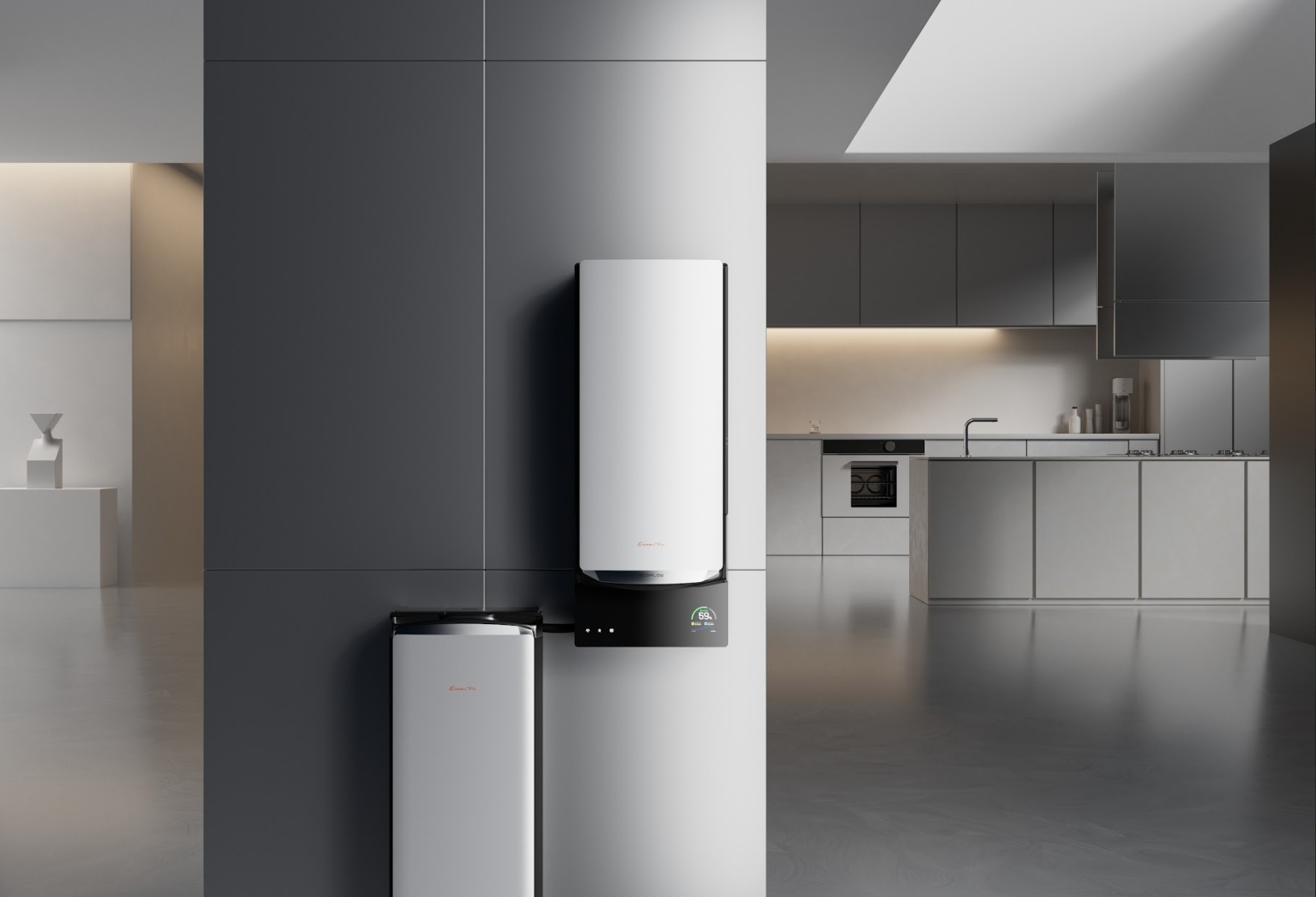
This is also the right place to check how a brand presents the feature in context. For example, EcoFlow OCEAN Pro includes 360° aerogel insulation within its broader safety and temperature control design, which is the right way to think about this material in a whole-home system.
When Does Aerogel Insulation Make the Biggest Difference in a Large Home?
Some households will notice the value of aerogel insulation faster than others. The benefit tends to stand out in homes with very hot summers, cold winters, semi-exposed installation spaces, high HVAC demand, or a strong need for whole-home backup during long outages.
That is also where the question is aerogel a good insulator becomes very practical. For larger homes, the answer often comes down to year-round temperature stability. When a battery is expected to support a full household through heavy loads and tough weather, insulation quality has a direct effect on how hard the system has to work.
Choose a Home Battery System Built for Stable Temperature Control
For large homes, thermal design should be part of every battery buying decision. Aerogel insulation can add real value when it is integrated into a system built for stable temperature control, reliable backup performance, and long-term durability. That is especially important for households facing demanding weather and heavy daily loads. If you are exploring premium whole-home battery options, EcoFlow OCEAN Pro is worth considering as part of your shortlist. Learn more
Get Your Free Home Energy Consultation!
Which energy solution are you interested in?

FAQs
Q1: What are the benefits of aerogel insulation?
Aerogel insulation offers strong thermal resistance in a very thin layer, which makes it useful in spaces where room is limited and temperature control matters. It can help reduce heat transfer, support more stable operating conditions, and improve packaging efficiency compared with thicker conventional insulation materials.
Q2: Can you insulate your house with aerogel?
Yes, you can, but it is usually used in targeted applications rather than across an entire house. Aerogel products are especially useful where a high insulation value is needed in a limited space, such as retrofit areas, specialty panels, or tight assemblies. Cost is still one of the main reasons it is not a standard whole-house choice.
Q3: What is the purpose of insulation materials in a battery thermal management system?
The main purpose is to slow unwanted heat gain and heat loss, making it easier for the battery system to stay near its target temperature. In practice, that helps support performance, battery life, and more even temperatures across cells and modules, which is essential for effective battery thermal management.
Q4: What are the downsides to using aerogel?
The main downsides are cost, material fragility in some forms, and more complex manufacturing. Aerogel is usually more expensive than common insulation materials, and certain types can be brittle unless they are reinforced or integrated into composites. These factors can limit wider adoption in everyday building applications.
Q5: What is the healthiest insulation for a house?
There is no single healthiest insulation for every home. In most cases, low-emission materials with safe installation practices are the better choice. Homeowners often look for products with low VOC emissions and minimal added formaldehyde, while also considering ventilation, climate, and overall indoor air quality.

