
Why A-Frame Homes Are the Perfect Canvas for Modern Energy Solutions?
Worried that high utility bills or a spotty power grid will ruin your off-grid dreams? Building modern A-frame homes doesn't mean you have to give up your everyday comforts or energy security. In fact, that iconic, steeply pitched roof gives you plenty of space at the perfect angle to capture solar power. Inside, the open floor plan makes it easy to tuck away battery storage without messing with that classic A-frame vibe. By blending this iconic architecture with a durable home battery solution, you can achieve true energy independence.
What is an A-frame home?
The striking, triangular silhouette of the A-frame home is an iconic architectural staple that is currently experiencing a massive resurgence in modern design.
An A-frame home or building is defined by its steeply angled roofline that begins at or very near the foundation line and meets at a sharp peak, forming the shape of the letter "A". While seemingly modern, its roots trace back to ancient origins, including traditional indigenous dwellings, simple Polynesian huts, and ancient Japanese minka farmhouses.
The design saw a major mid-century boom in the post-World War II era, specifically from the 1950s through the 1970s. Pioneering architects like R.M. Schindler and Andrew Geller popularized the structure, transforming it into a stylish, affordable symbol of the ultimate American middle-class vacation home.
What are the key features of A-frame home designs?
Beyond their nostalgic charm, A-frame homes are defined by a collection of striking visual and structural elements that combine stunning architectural aesthetics with highly functional, nature-inspired living spaces.
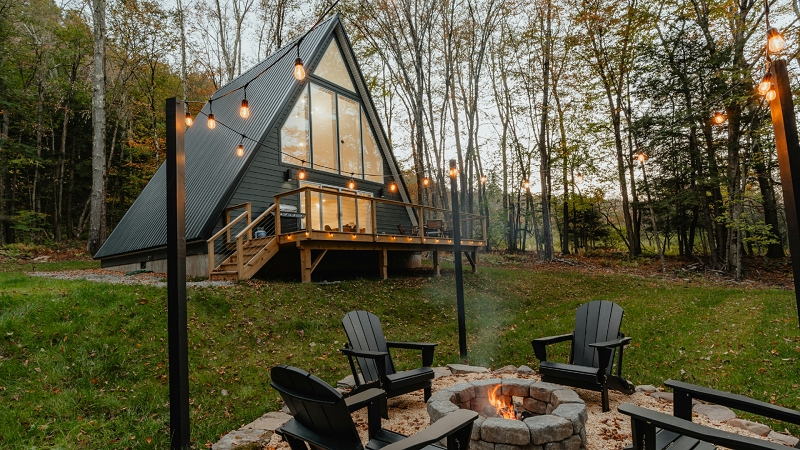
The steeply pitched roofline
The steeply pitched roofline is the defining characteristic of this architecture, serving simultaneously as both the protective roof and the primary exterior walls. Because these angled surfaces usually extend almost to the ground, they provide an ideal, expansive foundation for supporting solar panels to maximize energy sustainability.
The triangular profile
The distinct triangular profile forms the recognizable A shape that defines the building's entire personality. This sharp geometric outline not only creates a captivating exterior aesthetic but also fundamentally shapes the unique interior spatial dynamics, resulting in cozy, upward-drawing rooms that feel both grounded and incredibly expansive.
Massive glass facades
Massive glass facades are a signature element, often featuring spectacular floor-to-ceiling windows on both the front and rear gables. This architectural choice floods the interior with natural light and beautifully blurs the visual boundary between indoors and outdoors, allowing residents to feel fully immersed in their surroundings.
Open, lofty interiors
These homes boast open, lofty interiors with high vaulted ceilings, minimal interior walls, and a classic half-floor loft space. While visually stunning, such spacious layouts can pose temperature-control challenges.
Deep eaves and overhangs
Deep eaves and extensive overhangs are practical additions that complete the design. These extended roof edges provide essential shade during warmer months and protect the structural base from harsh weather conditions. Additionally, they create sheltered, cozy outdoor porch spaces perfect for relaxing and enjoying the surrounding landscape year-round.
The architectural benefits of A-frame style homes
The iconic triangular shape of an A-frame home is not just an aesthetic choice; it is a highly functional design that offers numerous structural and practical advantages for modern living.
Superior snow and rain runoff: The incredibly steep pitch makes these homes ideal for regions experiencing heavy snowfall, such as mountain ski towns. This angle ensures snow and rain naturally slide right off, preventing dangerous accumulation and potential roof collapse.
Structural integrity and resilience: The triangle is widely recognized as one of the strongest geometric shapes in architecture. This inherent strength makes A-frame structures highly stable and remarkably resilient against extreme weather conditions, including heavy winds and unexpected earthquakes.
Cost-effective construction: Building an A-frame generally requires fewer materials than traditional box-shaped homes since the design essentially eliminates vertical exterior walls. Furthermore, builders can often utilize straightforward framing techniques, making the overall construction process much more budget-friendly.
Excellent natural light: The inclusion of massive gable windows allows abundant sunlight to completely flood the open interior spaces throughout the day. This brilliant natural illumination significantly reduces the reliance on artificial daytime lighting, creating a warm, inviting atmosphere.
Adaptability for prefabrication: The simple, repetitive geometry of the design makes these homes exceptionally well-suited for prefab construction and kit homes. This adaptability heavily streamlines the entire building process, allowing for much faster assembly and significantly reduced labor costs.
Diverse styles & types of A-frame home designs
To overcome spatial limitations, architects evolved the timeless Classic A-Frame, beloved for its pure, symmetrical triangular geometry, into several diverse designs.
For instance, the Modified A-Frame builds upon this basic structure by adding dormer windows to the sloping sides, dramatically increasing usable floor space and upper-level headroom. Moving away from sharp straight lines, the Arch-Frame utilizes gracefully curved beams to create a rounded, bell-like peak that further enhances interior volume.
Finally, for those needing even more space, the Intersecting A-Frame combines two distinct classic structures in a cross or L configuration, resulting in a much larger residence with separate wings.
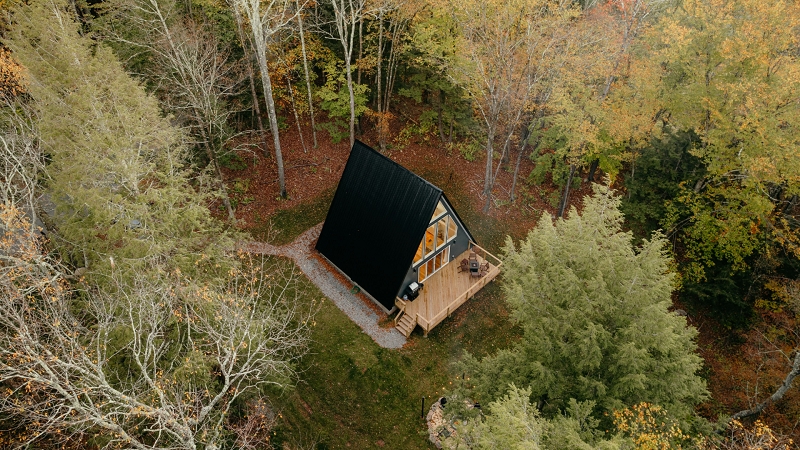
Ideal modern-day applications of A-frame homes
The A-frame home is experiencing a vibrant renaissance in the 21st century, transitioning from a nostalgic mid-century vacation staple to a highly sought-after, versatile modern architectural solution. The following are some of the major modern-day applications that you can experience.
Glamping and boutique hospitality
A-frame homes now dominate short-term rental platforms like Airbnb and boutique eco resorts. Their highly photogenic, Instagrammable aesthetics, combined with an incredibly cozy interior charm, offer guests a unique, memorable experience perfectly blending rustic nature with modern comfort.
Eco-friendly living
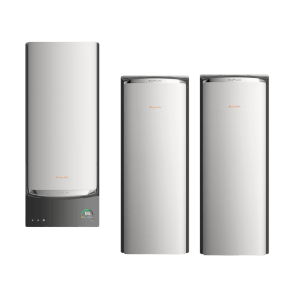
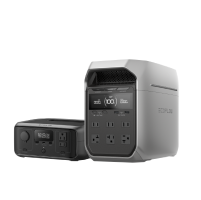
A-frame cabins are uniquely suited for solar, with expansive, sloped roofs designed for maximum exposure. If you don't want to waste the advantages, integrating a high-performance battery system is the logical next step. For instance, the EcoFlow Ocean Pro is a popular choice. It delivers reliable performance with a nominal output power of either 11.5kW or 24.0kW and incredible storage of 80kWh. Its compact footprint and off-grid resilience are ideal for the tighter utility zones typical of A-frame builds.
Get Your Free Home Energy Consultation!
Which energy solution are you interested in?
The tiny house movement
Scaling down the traditional A-frame architecture into compact micro cabins has made these structures an absolute favorite for minimalist living. They serve perfectly as highly functional backyard studios, detached guest suites, or peaceful, remote off-grid nature retreats today.
Full-time primary residences
Moving far beyond the rustic vacation cabin stereotype, modern architects are now successfully designing large-scale, luxury A-frame houses. These expansive, brilliant homes are fully tailored to comfortably accommodate everyday family life using premium amenities and highly functional layouts.
Wrapping up
The enduring appeal of the A-frame home lies in its unique ability to marry historical charm with striking, highly practical architecture.
From its ancient origins to its mid-century boom, the iconic triangular silhouette has proven to be incredibly resilient, cost-effective, and adaptable to diverse environments. Today, the A-frame continues to profoundly capture the imagination of homeowners and designers alike.
By seamlessly integrating sustainable, cutting-edge energy solutions such as the Ocean Pro into its classic, open design, the modern A-frame beautifully bridges the gap between peaceful, nature-inspired living and the conveniences of modern technology, ensuring its legacy for generations to come.
FAQs
Is it cheaper to build an A-frame home?
Generally, yes. A-frame homes often require fewer building materials because the steeply pitched roof replaces traditional exterior walls. Choosing a prefabricated kit can further reduce labor costs compared to a fully custom residential build.
Can you live comfortably in an A‑frame home year‑round?
Absolutely. Modern A-frame homes are designed for year-round living with proper insulation, advanced heating, and cooling systems. Integrating energy storage, such as the EcoFlow Ocean Pro, ensures reliable off-grid power throughout all four seasons.
What is the lifespan of an A-frame house?
With regular maintenance, an A-frame house can easily last well over a century. Their robust triangular design provides excellent structural integrity, making them highly resilient against heavy snow, strong winds, and harsh weather events.
Are A‑frame homes more energy‑efficient than traditional houses?
They can be highly efficient. The large roof surface is perfect for solar panels, and massive windows provide natural light. However, their open, lofty interiors require high-quality insulation to maintain continuous temperature control.
How to build an A-frame home properly?
Start with a strong foundation and invest in high-quality roofing materials. Ensure excellent insulation to manage the open interior climate, and consider using a prefabricated kit to streamline construction and guarantee precise structural integrity.

