
What Appliances Use the Most Electricity? A UK Household Energy Comparison
Quick Answer:
Electric heating and hot water systems are often the biggest electricity users in UK homes that rely on them. Tumble dryers and electric ovens can also be expensive to run, while fridge-freezers use smaller amounts of electricity continuously. The appliances that cost you the most depend on how powerful they are, how often you use them and your electricity tariff.
This guide breaks down the biggest power-draining appliances across typical UK households, illustrates what each device actually costs to run, and explains practical strategies—from daily habit tweaks to rooftop solar and home battery storage—to help you take control of your energy outgoings.
What Appliances Use the Most Electricity in a UK Home?
Working out what’s driving your bills means separating big bursts of power from long hours of steady draw. Some appliances gulp power for a few minutes; others tick away around the clock, and the units add up.
Top 10 Household Appliances That Use the Most Electricity
Across detached houses, suburban semis, and city flats alike, the biggest contributors to overall domestic power consumption generally fall into ten familiar categories:
Immersion heaters and hot water cylinders. Electric resistance heating pulls serious wattage, often on a daily timer.
Portable electric heaters (fan and oil-filled). A quick fix for a cold bedroom or home office, but they rack up the units hour after hour.
Heat pumps and direct electric radiators. Whole-home heating that works hardest through cold snaps.
Tumble dryers (especially vented or condenser). Long cycles of sustained heat to shift heavy moisture.
Electric showers. Very high wattage, even for a quick eight-minute wash.
Electric hobs and ovens. Everyday family cooking and weekend roasts, often with several elements on at once.
Washing machines. Cycles that heat cold mains water up to 40°C or 60°C.
Dishwashers. Water heating and drying phases that add up with every load.
Fridge-freezers. Modest draw, but they never switch off — 24 hours a day, all year.
Desktop PCs and games consoles. High-end rigs, multi-monitor setups and streaming boxes, often on for long evenings.
Household Appliance Electricity Usage and Running Cost Comparison Chart
The table below shows typical appliance power ratings, average run times, and what they cost at a standard UK rate of 25p per kWh.
| Appliance | Typical Wattage (W) | Average Usage Duration | Approx. Energy per Use / Day (kWh) | Estimated Running Cost (at 25p/kWh) |
|---|---|---|---|---|
| Electric Shower | 8,500 – 10,000 W | 10 minutes | 1.4 – 1.7 kWh | 35p – 43p per shower |
| Immersion Heater | 3,000 W | 2 hours | 6.0 kWh | £1.50 per day |
| Portable Fan Heater | 2,000 W | 3 hours | 6.0 kWh | £1.50 per session |
| Vented / Condenser Dryer | 2,500 W | 1 full cycle (approx. 120 mins) | 3.5 – 4.0 kWh | 88p – £1.00 per cycle |
| Heat Pump Tumble Dryer | 900 W | 1 hour | 1.3 – 1.8 kWh | 33p – 45p per cycle |
| Electric Oven | 2,000 – 2,500 W | 1 cycle (approx. 60 mins) | 2.0 – 2.5 kWh | 50p – 63p per hour |
| Washing Machine (40°C) | 2,000 W (peak) | 1 cycle | 0.8 – 1.2 kWh | 20p – 30p per cycle |
| Dishwasher (Standard) | 1,800 – 2,000 W | 3 minutes (1 boil) | 1.1 – 1.5 kWh | 28p – 38p per cycle |
| Kettle | 3,000 W | 24 hours (intermittent compressor) | 0.15 kWh | 3.8p per boil |
| Fridge-Freezer (Freestanding) | 100 – 200 W | 4 hours | 1.0 – 1.6 kWh | 25p – 40p per day |
| Gaming PC / Console | 200 – 400 W | 4 hours | 0.8 – 1.6 kWh | 20p – 40p per session |
| 55-inch LED TV | 80 – 120 W | 行数据 | 0.32 – 0.48 kWh | 8p – 12p per day |
Note: Actual costs vary depending on appliance age, efficiency rating, programme settings, and your specific electricity tariff.

How Much Electricity Do Common Household Appliances Use?
Heating and hot water often use the most electricity in UK homes, but everyday appliances such as tumble dryers, ovens and fridge-freezers also contribute to household bills.
Electric Heating and Hot Water Systems
Electric heating can be expensive to run, especially during winter. A 3 kW immersion heater uses 3 kWh per hour of active heating, costing around 75p. Electric showers typically draw 8.5–10.5 kW, while a 2 kW portable heater costs up to 50p per hour, or £4 over eight hours of continuous use.
Tumble Dryers, Washing Machines, and Washer-Dryers
Conventional vented and condenser tumble dryers typically use around 3.5–4 kWh per cycle, costing 88p–£1. Heat pump models are more efficient, often using around 1.3–1.8 kWh. Washing machines generally consume 0.8–1.2 kWh per 40°C cycle, with higher temperatures increasing energy demand. These figures provide a useful starting point for comparing washing machine electricity use across different models and programmes. Combined washer-dryers can use 4.5–6 kWh for a full wash-and-dry cycle, depending on the model and programme.
Ovens, Electric Hobs, and Kettles
Electric ovens typically have power ratings of 2–2.5 kW, although actual consumption varies as heating elements cycle on and off. Induction hobs are generally more efficient than traditional electric hobs because they heat cookware directly. A 3 kW kettle running for three minutes uses around 0.15 kWh, costing approximately 4p.
Fridges, Freezers, and Dishwashers
Fridge-freezers run throughout the day, but their compressors operate intermittently. An efficient modern model may use around 150–220 kWh annually (£38–£55), while larger or older models can consume considerably more. Dishwashers typically use 1.1–1.5 kWh per standard cycle, with eco programmes often reducing consumption to around 0.8–1.0 kWh.
TVs, Computers, and Other Electronic Devices
A 55-inch television typically uses around 80–130 W, costing 8p–13p for four hours of viewing. Gaming PCs can draw 300–500 W under heavy loads, while a laptop and external monitor may use just 40–70 W combined. Actual consumption depends on the device and how it’s used.
Standby Power Consumption of Household Appliances
Televisions, games consoles, set-top boxes and other devices can still draw electricity in standby mode. While individual devices often use very little, several connected appliances can add to annual costs. For example, a combined standby load of 30 W costs around £66 a year if maintained continuously. Switching off unused devices where safe and practical can help reduce this waste.
How to Calculate Appliance Electricity Usage and Running Costs
You can estimate how much an appliance costs to run using its wattage, running time and your electricity unit rate.
Understanding Appliance Wattage and Kilowatt-Hours (kWh)
Watts (W) measure an appliance’s power demand, while kilowatt-hours (kWh) measure the electricity it uses over time. Electricity suppliers charge by the kWh.
1 kW = 1,000 W
For example, an 800 W microwave has a power rating of 0.8 kW, while a 2,000 W electric heater is rated at 2 kW. Running a 2 kW heater at full power for one hour uses 2 kWh of electricity.
How to Calculate Electricity Consumption per Hour, Day, and Month
Use these simple formulas to estimate appliance running costs:
Energy used (kWh) = Power (W) ÷ 1,000 × Running hours
Running cost (£) = Energy used (kWh) × Electricity rate (£/kWh)
Monthly cost (£) = Daily running cost × Days used per month
Example: A 2 kW electric heater running for 4 hours daily at 25p/kWh
Daily consumption: 2 × 4 = 8 kWh
Daily cost: 8 × £0.25 = £2
Monthly cost (30 days): £2 × 30 = £60
These estimates assume continuous operation at the stated power. Actual costs may be lower for appliances that cycle on and off.
How to Measure Actual Electricity Usage
Appliance wattage provides an estimate, but actual consumption varies with settings and usage. To check how much electricity you’re using:
Smart meter In-Home Display (IHD): Check changes in household electricity demand when switching appliances on or off.
Plug-in energy monitor: Measure the electricity used by individual plug-in appliances over time.
Energy-monitoring smart plugs: Track consumption through an app and identify devices that use electricity unnecessarily.
For high-power or hardwired appliances, use suitable monitoring equipment or consult a qualified electrician rather than a standard smart plug. A connected home energy ecosystem can provide a broader view of household electricity use, including solar generation, battery storage and grid imports.
What Factors Affect Household Appliance Electricity Consumption?
How much electricity your appliances use depends on their efficiency, running time and how you use them. Seasonal demand and your electricity tariff also affect the final bill.
Appliance Power Ratings and Energy Efficiency
Higher-wattage appliances generally draw more power while they’re running, but efficiency counts too. UK energy labels make comparing them easier — many categories now use an A-to-G scale. A heat pump tumble dryer, for instance, typically uses far less power per cycle than a conventional condenser model.
Frequency of Use and Running Time
Generally, the longer an appliance runs, the more power it uses. A 2 kW electric heater on for five hours burns up to 10 kWh — a 3 kW kettle on for three minutes uses just 0.15 kWh. Run a tumble dryer, dehumidifier or electric heater regularly and consumption soon stacks up.
Household Size and Daily Energy Habits
Bigger households tend to use more power for cooking, laundry and hot water. Daily habits matter too. Overfilling the kettle, running half-empty washing machines and opening the oven door too often all waste energy. Running appliances efficiently keeps consumption down.
Seasonal Electricity Consumption in UK Homes
Electricity use tends to climb through a British winter, especially in homes with electric heating. Colder mains water, shorter days and fewer chances to dry outside all push up demand, including showers, tumble dryers, dehumidifiers, lighting. How much it rises depends on your heating system and how you live.
Electricity Tariffs and Peak vs. Off-Peak Usage
Your tariff shapes what you pay, not how much you use. Standard variable tariffs charge the same unit rate around the clock, while Economy 7 and other time-of-use tariffs drop the price during certain hours. Shift appliance use into those off-peak windows and you’ll trim your bills — but the hours and rates vary by supplier. For homes with rooftop solar, solar battery storage can also help reduce reliance on grid electricity when solar generation is low.

How to Reduce Electricity Usage From High-Consumption Appliances
Cutting electricity bills starts with running the big-draw appliances better. A few tweaks to how you heat, wash and cook can make a real difference.
Choose Energy-Efficient Appliances and Use Eco Settings
When you replace old appliances, check the energy rating and running costs. Heat pump dryers tend to use less power than condenser models. Day to day, stick to eco programmes on the washing machine and dishwasher, wash at 30°C where you can, and let dishes air dry rather than heating them.
Reduce Electricity Consumption From Heating and Hot Water
Insulate older hot water cylinders to cut heat loss, and set immersion timers around your household’s needs while keeping water at a safe temperature. Shorter electric showers save energy and water too. For personal warmth, an electric blanket or heated throw often costs less to run than heating a whole room.
Optimise Laundry, Cooking, and Dishwashing Habits
Fill the washing machine and dishwasher before running them, and use a higher spin speed to cut tumble drying time. Air dry clothes where you can, with enough ventilation to stop damp. For smaller meals, a microwave or air fryer often uses less power than a conventional oven. And when you make a brew, boil only what you need.
Shift Appliance Use to Cheaper Off-Peak Hours
If you’re on an Economy 7 or other time-of-use tariff, using electricity during off-peak hours can help lower your bills. However, running washing machines or tumble dryers overnight while you’re asleep is not recommended for fire safety reasons. A home battery offers another option. It can charge using cheaper overnight electricity and supply stored power during the day, allowing you to benefit from off-peak rates without running household appliances unattended.
Use Solar Panels and Home Battery Storage to Reduce Grid Electricity Costs
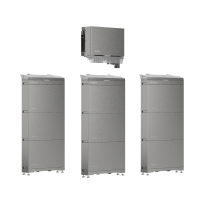
Home battery storage can also help households make better use of rooftop solar. Instead of exporting all surplus electricity during the day, you can store some for evening cooking, laundry and other household needs. A compatible system such as the EcoFlow OCEAN 2 Plus Single Phase can store surplus solar energy and, where supported, charge from the grid during cheaper off-peak periods. This gives households more flexibility over when they buy and use electricity, potentially reducing grid costs during peak-rate hours.
Actual savings depend on battery capacity, electricity tariffs, household consumption and system configuration.
Monitor Household Energy Usage With Smart Energy Management
Knowing when your home uses the most power makes it easier to shift daily habits. Smart meters show overall consumption; compatible home energy systems go further, showing solar generation, battery storage and grid imports. The EcoFlow PowerInsight 2 pulls all of this onto an 11-inch touchscreen. Connected to a compatible EcoFlow system, it shows real-time energy flows, household consumption and battery levels, so you can spot high-demand periods and make better use of stored solar.
Schedule Your Free Consultation Today!
What kind of product or solution are you interested in?
Conclusion
Electric heating, hot water and tumble dryers top the list of power users in UK homes. But cost comes down to how often you run each one, not just its wattage. Check your biggest draws first, use eco settings and cut unnecessary heating. If you’ve got rooftop solar, a compatible home battery helps you use more of what you generate. And keeping an eye on your energy use makes waste easier to spot and bills easier to control.
FAQs
Does a Tumble Dryer Use More Electricity Than a Washing Machine?
Yes. A standard vented or condenser tumble dryer pulls roughly three to four times the power of a typical washing machine. A 30°C or 40°C wash cycle uses about 0.8 to 1.2 kWh; drying that same load in a traditional dryer takes 3.5 to 4.0 kWh.
Do Fridges and Freezers Use a Lot of Electricity?
No, modern fridges and freezers don’t draw much at any one moment. But they run 24/7, so it adds up. A standard fridge-freezer pulls around 100 W to 200 W on and off, using 1.0 to 1.6 kWh a day (roughly £90 to £145 a year, depending on efficiency and how warm the room is).
How Much Electricity Does a TV Use When Left on Standby?
A modern TV on standby uses 0.5 W to 3 W, less than 1p to 2p a week. Older sets, smart TVs with fast-boot enabled, or soundbars and networked set-top boxes can pull 10 W to 20 W non-stop, adding around £10 to £20 a year if you never switch them off at the plug.
What Is the Cheapest Time to Use Electrical Appliances in the UK?
Overnight off-peak hours, usually midnight to 7am, if you’re on a time-of-use or Economy 7 tariff. On a standard variable tariff, you pay the same flat rate around the clock, so when you run appliances makes no difference to your unit price unless you move to a dual-rate plan.

