
UK Households Weather Warning: How Home Battery Storage Can Protect Your Home During Power Outages
When the grid goes down, a properly set-up home battery with backup functionality can keep the fridge running, the lights on, and the broadband connected – provided the system is designed to do so. It can also support compatible heating controls and selected appliances, depending on how the installer has wired your circuits.
If you have rooftop solar that’s compatible with the battery, the system may also recharge during daylight hours, even while the grid is offline. That can stretch your backup window considerably. But whether that works in practice comes down to the battery hardware, the inverter, and the way the whole installation has been configured.
This guide looks at how severe weather disrupts the UK power network, what that means for households during an outage, and how battery storage, when specified and installed correctly, can take the sting out of a power cut.
Key Takeaways
Severe weather and power cuts: High winds, flooding and fallen trees damage overhead lines and substations, especially in rural areas. Localised outages are a regular part of UK winters.
What stops working: Combi boilers need mains power to fire up, so heating and hot water go off even on gas. Fridges, freezers, routers and home office kit all drop out instantly.
Automatic backup: A backup-capable system detects grid failure and switches essential circuits to battery power in milliseconds – fast enough for most appliances, though sensitive electronics may flicker.
Solar recharging: If the system supports island mode, solar can top up the battery during an outage, extending runtime. Not all installations do this – confirm with your installer.
Battery sizing: A 5–10 kWh unit can run essentials for several hours, but actual runtime depends on usable capacity, connected loads and inverter losses. A fridge and router draw little; a kettle drains it fast. Size for your critical loads, not the label.
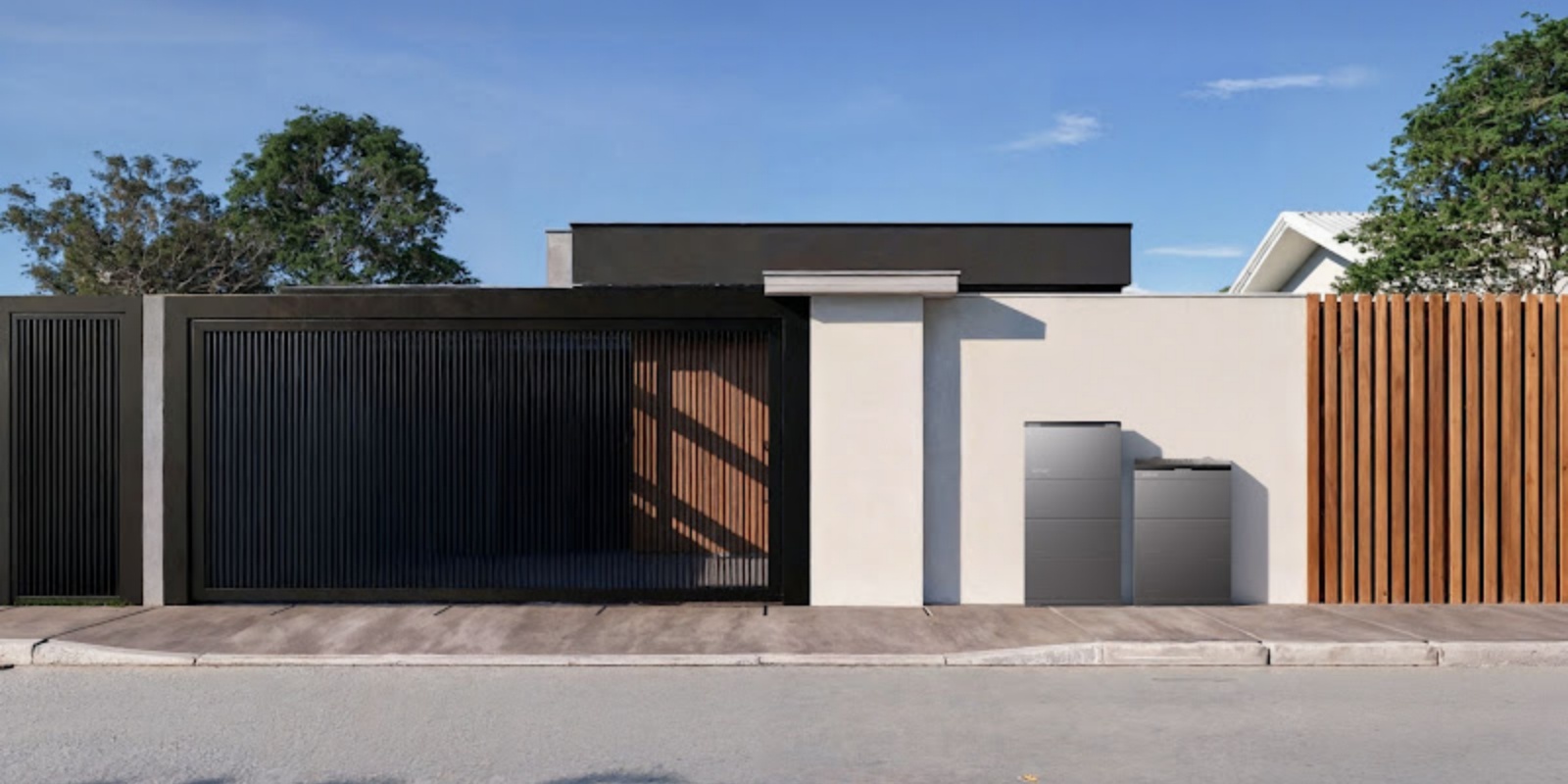
How UK Weather Warnings Can Affect Household Power Supply
The UK’s electricity distribution network can take a hit from severe wind, flooding, snow and other extreme weather. When the forecast looks rough, the risk of localised power disruptions goes up – though how bad it gets depends on where you are and what kind of weather actually hits.
Increase the Risk of Power Cuts
High winds, heavy rain and waterlogged ground all raise the risk of faults on the network. Trees and branches come down on overhead lines, while flooding and boggy conditions make it harder for crews to get in and fix things. Rural and semi‑rural areas – where most of the network is strung overhead – can face particular challenges when something goes wrong.
Damage Electricity Infrastructure
Severe weather can damage all sorts of electricity infrastructure. Flooding can swamp electrical gear. Lightning can knock out network components and trigger localised outages. Heavy snow and ice? They put extra mechanical strain on overhead lines and other kit.
Delay Power Restoration
Bad weather doesn’t just knock stuff down, it gets in the way of fixing it too. Flooded roads, trees across the tracks, driving rain, gusty winds, all of that can stop engineers getting where they need to go, or make it unsafe to work once they do. So some outages drag on longer than they would on a calm, dry day.
.png)
What Problems Can Power Cuts Cause for UK Households?
Losing power is rarely just an inconvenience; it rapidly exposes how dependent everyday domestic life is on steady voltage.
Food Storage Problems During Extended Outages
An extended power cut can put refrigerated and frozen food at risk. The Food Standards Agency advises keeping refrigerator and freezer doors closed during a power cut to help maintain a safe temperature for as long as possible. If an outage continues for several hours, households may need to assess whether refrigerated food is still safe to eat. A guide to what is the temp in the fridge can help you establish a normal baseline before an outage and judge temperature changes more sensibly.
Heating and Hot Water Interruptions
Having a mains gas supply does not necessarily mean that central heating will continue during a power cut. Modern gas boilers still rely on electricity for controls, ignition and circulation, while heat pumps depend on electricity for their operation. If the power cuts out on a sub-zero January evening, your radiators cool down within the hour. Understanding how do heat pumps work also makes it clearer why an electrical outage stops both space heating and hot-water production.
Internet and Communication Disruptions
In an era of remote work and hybrid schedules, a power drop terminates your broadband router immediately, severing video meetings and unsaved cloud work. Local 4G and 5G cellular masts quickly become congested or run out of backup battery reserves, making it difficult to check local DNO power outage maps or contact emergency services.
How Can Home Battery Storage Help During a Power Outage?
Installing a residential battery storage system fundamentally changes how your home responds when severe weather knocks out the grid. An EcoFlow Home Battery with properly configured backup hardware can store energy for essential circuits when the grid fails.
Enable Seamless Backup Power Switching
When a compatible backup system detects a grid failure, it can isolate the home from the public electricity network and transfer designated loads to battery power. The exact transition time and supported loads depend on the system’s design and installation. For UK households, this means vital circuits, including LED lighting, the fridge-freezer, and the Wi-Fi router, stay active without waiting for network engineers to repair damaged lines.
Systems designed specifically for whole-home resilience, such as the EcoFlow OCEAN 2 Plus Single-Phase, feature ultra-fast 0 ms load-side switching. Because the handover occurs instantaneously without voltage dips, sensitive desktop PCs, NAS drives, and home entertainment setups keep running without rebooting or corrupting data.
Power Critical Household Appliances
Rather than trying to run an entire household at full blast, dedicated backup circuits route stored kilowatt-hours directly to your most critical essentials. The system can easily handle the inrush current of a fridge compressor, supply steady power to the 100W–150W electrical draw of your gas boiler’s circulation pump, and keep security systems and perimeter lighting fully active.
Extend Backup Duration With Solar Charging
A standalone battery will eventually deplete if an outage lasts several days, but coupling storage with a rooftop solar PV array can create a more resilient setup. Even under overcast UK winter skies, daylight hours may allow your solar panels to generate modest power, helping to top up the battery and extend your backup duration. The actual extension depends on panel orientation, weather conditions, and system configuration.
What Should UK Homeowners Consider for Battery Backup?
Choosing the right battery backup system requires looking closely at capacity, electrical integration, and how you monitor your daily energy flow.
Match Battery Capacity With Household Needs
To determine the ideal storage capacity, assess what you genuinely need during an emergency versus what you can temporarily live without.
| Household Type / Priority | Typical Daily Essential Draw | Recommended Battery Size | Estimated Backup Runtime |
|---|---|---|---|
| Small Flat / Low Draw (LEDs, Router, Fridge, Phone Charging) | ~2.5 – 4.0 kWh / day | 5 kWh | 12 – 18 Hours |
| Semi-Detached / Standard Family (Fridge-Freezer, Gas Combi Boiler, Lights, Wi-Fi, Laptop) | ~5.0 – 8.0 kWh / day | 10 kWh – 15 kWh | 18 – 30 Hours |
| Detached / All-Electric Home (Heat Pump, Induction Hob, Full House Circuits, Sump Pump) | ~12.0 – 20.0 kWh / day | 20 kWh+ | 12 – 24 Hours (may extend with solar PV, depending on conditions) |
Table note: These are estimated figures based on typical usage patterns. Actual runtime will vary depending on connected loads, inverter efficiency, battery state of health, and whether solar recharging is available during the outage.
Check Backup Power Compatibility
Under UK engineering standards (G98/G99), standard grid‑tied inverters are legally required to shut down during a blackout. That’s to stop them feeding electricity back into the grid and putting lineworkers at risk. So when you’re choosing a system, make sure it includes a dedicated gateway or an integrated Emergency Power Supply (EPS) switch – that way, it safely isolates your home from the wider network and keeps your backup consumer unit powered.
Consider Smart Energy Management Features
Backup power is one thing, but intelligent energy management is what really locks in your household energy security. When you can see exactly what your solar’s generating, what you’re using, and what’s left in the battery, you can schedule high‑draw appliances strategically and make the most of dynamic time‑of‑use tariffs like Octopus Agile.
The EcoFlow PowerInsight 2 smart energy monitor is a solid example of this in action. It’s got an 11‑inch high‑def IPS touchscreen that gives you a live dashboard of power flows, battery charge levels, and historical usage trends. And with Matter 1.4 support built in, it connects seamlessly with compatible smart plugs and thermostats, so during an outage, it can automate load‑shedding and help you stretch every kilowatt‑hour a bit further. A connected Home Energy Ecosystem can coordinate battery status, solar generation and controllable household loads from one interface.
How Can UK Households Prepare Their Energy System Before Severe Weather?
Preparing your home before severe weather arrives can help reduce the impact of a power outage.
Check Battery Status Before Weather Warnings
Get into the habit of checking your battery app whenever the Met Office puts out a yellow or amber warning for wind, rain, or snow. Make sure the system’s online, firmware’s up to date, and the cells are balanced and ready for any unexpected cycling.
Set Battery Backup Levels for Emergencies
Most modern batteries allow you to customize the minimum State of Charge (SoC). While you might normally cycle your battery down to 10% or 20% to maximize daily self-consumption savings, toggle the system to “Backup Reserve” or force-charge it to 100% from cheap off-peak electricity ahead of the storm’s forecast arrival.
Check Solar and Outdoor Energy Equipment
Take a walk around your property before high winds pick up. Ensure that outdoor battery enclosures (typically IP65-rated) have clear drainage channels around their base, that no loose garden furniture could blow into exposed conduit, and that rooftop solar arrays are free of loose debris.
Schedule Your Free Consultation Today!
What kind of product or solution are you interested in?

Conclusion
British weather keeps you guessing – but that doesn’t mean you have to sit in the cold and dark when it turns nasty. A smart home battery storage system gives you a buffer against unreliable local grids and drawn‑out winter repairs.
Whether it’s keeping your central heating pump running, your food chilled, or your broadband online, a dedicated backup battery takes the worry out of storm season – your home stays warm, safe, and powered up.
FAQ
How long does a fridge last without power in the UK?
An unopened fridge will keep food safely cold for about 4 hours. A well-packed, unopened freezer? That’ll hold its temperature for roughly 24 to 48 hours during an outage.
Can you use a solar battery during a blackout?
Yes, but only if your system has an automatic transfer switch or an Emergency Power Supply (EPS) function with islanding protection. Standard grid-tied batteries without an isolation switch will shut down automatically during a blackout to keep lineworkers safe.
How do you prepare for 72 hours without power?
Stock at least three litres of bottled drinking water per person per day. Gather non-perishable food. Charge all your power banks. Keep a battery‑powered torch and an analogue radio handy. And make sure your home battery backup is fully charged – top it up to 100% reserve.
How long will a 10kWh battery run a house?
A 10kWh battery could keep essential household circuits going – think fridge‑freezer, gas boiler pump, LED lighting, Wi‑Fi router, and phone charging – for roughly 18 to 30 hours in winter, depending on actual load and how carefully you manage usage. This estimate assumes no solar recharging; with solar input, the duration may be longer but will vary significantly with weather and panel orientation.

