
What Are the Types of Renewable Energy? A Complete UK Guide for 2026
Energy costs in the UK have skyrocketed, and more homes are questioning their energy suppliers. Teaching about different types of renewable energy and comparing them with non-renewable energy will help you make more informed decisions for your wallet and the environment. This guide provides an introduction to all the major energy types and how they are currently used on the UK electricity grid, as well as useful tips on how homeowners can generate, store and manage their own clean energy.
What Is Renewable Energy and Why Does It Matter?
Renewable energy is energy that is naturally replenished and will not deplete. Unlike fossil fuels, which take millions of years to form, sunlight, wind, moving water, and the heat from the earth are always present. It is a significant financial burden for UK households. Electricity costs on the grid are linked to fluctuating gas prices in global markets, which are beyond households' control. The shift to on-site renewable energy reduces exposure and lowers carbon emissions, helping the UK achieve its legally binding target of becoming Net Zero by 2050.
The Different Types of Renewable Energy
Each of the major renewable energy types is discussed in the sections below, and illustrated with their relevance to the UK home and national grid in 2026.
Solar Energy
Solar energy is the process of transforming sunlight into electricity through photovoltaic (PV) technology. It is the most readily available renewable energy choice for UK property owners, as panels can be installed on most south-facing roofs without major structural alterations. In 2025, solar generation hit a record high of 19 TWh for the year and solar capacity in the UK rose to 21 GW. Modern panels can be used to produce useful electricity on cloudy days.
Wind Energy
Wind power is generated by wind turbines that utilize the wind's kinetic energy to generate electricity. In 2025, the UK's largest source of electricity was offshore wind, generating almost 30% of electricity. Compared with rooftop solar, which is much more prevalent in homes, small wind turbines are available for some rural properties where wind is consistent and planning permissions are granted.
Hydropower
Hydroelectric power generates electricity from water moving through turbines. There is a lot of hydropower in the UK, especially in Scotland and Wales, with pumped storage schemes that store energy as high water and release it when needed. HYDROPOWER is reliable, predictable in weather, but is limited by geographical restriction, especially in England.
Tidal and Wave Energy
The UK has some of the most valuable tidal resources in the world, including the Pentland Firth, the Bristol Channel and the coast of Scotland. The predictable ebb and flow of the sea is harnessed by tidal stream generators. Both tidal and wave technologies are still in the early stages of commercial development and are very promising for a reliable supply of clean energy.
Geothermal Energy
Geothermal energy is the energy contained in the hot rocks under the ground. The UK has limited geothermal energy projects due to its geology, but ground-source heat pumps tap into stable underground temperatures to efficiently heat homes. These systems can be bought with the Boiler Upgrade Scheme and are a good investment for homes with sufficient external space.
Biomass and Bioenergy
Biomass includes organic matter that can be combusted or gasified for energy and heat, such as wood pellets, agricultural residues and decomposable waste. Biomass is being used on a significant scale across the UK, including large-scale biomass conversion of former coal stations, and household biomass boilers are available. If produced from a sustainable source, bioenergy is considered low-carbon.
Hydrogen Energy
Hydrogen is generated by the electrolysis of water using renewable energy. It has the capacity to store energy, propel cars and even heat houses, all without releasing direct emissions. There are multiple pilot schemes currently being developed, and in the UK, it is estimated that it may take another few years before the technology is adopted on a large scale, however it is widely regarded as a key technology for sectors that are hard to electrify.
Types of Non-Renewable Energy Sources
To appreciate the full picture, it helps to understand the types of non renewable energy and why dependence on these sources carries increasing risk. Non-renewables are exhausted, and the prices of using them are determined by geopolitics and global supply and demand, which the UK consumer has no control over, unlike renewables.
Coal
Coal was traditionally the mainstay of the UK's power supply industry. In September of 2024, the final coal-fired power plant in Great Britain was shut down, and in 2025, there was a record low in coal demand. In effect, coal has been banished from the UK electricity market, a victim of falling renewable energy prices and the growing carbon policy requirements.
Oil and Petroleum
Oil is a small contributor to electricity generation in the UK, but is a larger contributor to transport and off-grid rural heating. Oil-fired boilers are still used in many houses that are not connected to the gas supply, leaving them at the mercy of international oil prices. With increased uptake of heat pumps and the government's phasing out of new oil boiler sales, this reliance will decrease.
Natural Gas
Gas remained the main source of fossil-fuel electricity generation in the UK in 2025, at c. 27%. Gas-fired boilers are also used by millions of households in the UK for heating. Gas is still carbon-heavy, and is subject to supply disruptions internationally.
Nuclear Energy
Nuclear is in a special place in the energy debate. It is non-renewable because it relies on limited uranium fuel; it is low-carbon because it does not generate any direct greenhouse gas emissions during generation. The UK already has nuclear power stations as a reliable source of baseload energy, while Sizewell C in Suffolk would create a significant new source of power that would complement intermittent renewables and offset their unreliability by providing a constant output regardless of weather conditions.
All of the above non-renewable energy sources (whether fossil fuels or finite nuclear fuel) incur costs that are not borne by the different types of renewable energy. That's what has made on-site generation and storage more popular among homeowners in the UK as a long-term solution to rising grid costs.
How the UK Generates Its Electricity Today
The UK's energy mix has undergone a major transformation over the past few years. The Department for Energy Security and Net Zero reports a record 52.5% of all UK electricity generated came from renewables in 2025, led by wind. The rest was supplied by gas, with nuclear filling the remainder. Coal was not included in the output figures because it was completely phased out of the generation mix at the end of 2024. The government aims to reach 95% low-carbon electricity by 2030 and achieve full grid decarbonisation by 2035.
Which Types of Renewable Energy Can UK Homeowners Use?
The majority of the renewable energy technologies listed above are at the national or industrial scale. Solar PV, ground-source/air-source heat pumps, small domestic wind turbines in rural areas and biomass boilers are all practical options for homeowners. These are the most easily accessible types of renewable resources of energy available in a private household. The 0% VAT rate on solar and battery systems for homes until March 2027, combined with the low price of solar PV and a well-established installer network, makes it by far the most popular option.
The Missing Piece: Storing the Renewable Energy You Generate
Producing solar energy at home is just a beginning. Panels produce most output between roughly 9 am and 4 pm, which rarely aligns with peak household demand in the evenings. When there is excess electricity generation, it is exported back to the grid at low rates offered by the Smart Export Guarantee, but households purchase expensive electricity at a later time. Adding a home battery closes that gap. If you want to learn how it works, check out the guide on what is solar energy storage.

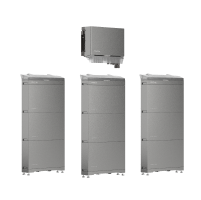
The EcoFlow PowerOcean Single-Phase Battery is designed for the typical UK single-phase residential setting. It stores 5-15 kWh of energy from the sun for use at night, on cloudy days and/or during a power outage. It is made with LiFePO4 cells, rated IP65, and includes a 15-year warranty, as it will be part of the EcoFlow Home Battery system, which couples solar, battery, and smart control on one platform.
Making Your Renewable Energy System Work Smarter
A battery and a solar array are a good beginning. The system becomes even more valuable if it is made smart: a home energy management system (HEMS) can track solar energy production and household energy use in real time and determine when to store and when to release power, and can charge up your battery at a low cost from the grid overnight, when solar production is low.

This is possible thanks to the real-time sensing layer that's offered by the EcoFlow PowerInsight 2 Monitor. It monitors solar power production, usage, net power exchange and EV charging via the EcoFlow app, providing complete visibility and control.
Key Considerations Before Investing in Home Renewable Energy
Assessing Your Roof and Home
The majority of household solar systems require a south, south-east-, or south-west-facing roof space that is free from shading. The installation will be done by an MCS-certified installer and will include checking the orientation and structural capacity, as a standard panel weighs around 20 kg, and a complete array will add a meaningful amount of roof load.
Understanding Your Energy Usage
Before you size a system, review your annual electricity consumption (in kWh). If you are considering installing an electric vehicle or heat pump in the near future, factor that into your calculations. The EcoFlow Home Battery Storage range is modular, so you can expand your storage capacity as you require.
Choosing Certified Installers
Get solar panels, batteries and heat pumps installed by MCS-certified installers. To get benefits from the Smart Export Guarantee, you need to be MCS certified, meaning larger energy suppliers are legally required to compensate you for the electricity you feed to the national grid.
Grants and Financial Support
Until March 2027, the 0% VAT rate on residential solar and battery storage will remain in place. The Boiler Upgrade Scheme provides a grant of up to £ 7,500 to help cover the costs of installing a heat pump. The Smart Export Guarantee involves paying you for each unit of electricity you export to the grid. An MCS installer will be able to verify your property's eligibility for which schemes.
Conclusion
The types of renewable energy available in the UK span from offshore wind farms to a single rooftop solar array. Understanding all of them, alongside the types of non renewable energy resources they are replacing, gives you a clearer picture of where the energy market is heading and why acting now makes financial sense. Solar panels paired with home battery storage and smart energy management put you in control of your bills, your carbon footprint, and your energy independence. Get a solar battery quote today and take the first step toward powering your home with renewable energy.
Schedule Your Free Consultation Today!
What kind of product or solution are you interested in?
FAQs
What is the most common type of renewable energy used in UK homes?
Solar PV is the most common form of renewable energy being installed in UK homes. It has a relatively low cost, is easy to install on most roofs and is currently VAT-free (0%) for panels and batteries until March 2027. Pairing solar panels with a home battery means you can store the energy you generate and use it after dark, significantly reducing your reliance on the grid.
What are the main types of non renewable energy sources still used in the UK?
The dominant non-renewables in use in the UK today are natural gas, used to generate about 27% of the country's electricity, and nuclear, which provides low carbon baseload electricity. In September 2024, the UK did not use any coal in electricity generation. Off-grid rural heating is still important and oil is also very little used for electricity production.
How many types of renewable energy are there?
There are seven major types of renewable energy: solar, wind, hydropower, tidal and wave, geothermal, biomass, and hydrogen. In the UK it is wind and solar are the majority players on the national grid with heat pumps (a form of geothermal) and biomass boilers, the most realistic steps available to homeowners who wish to move beyond solar panels.
Can I use more than one type of renewable energy at home?
Yes. Many UK homeowners combine solar PV with an air-source or ground-source heat pump, effectively using two different types of renewable energy in one property. Both technologies are used interdependently: Solar recharges the battery and tin tandem management system saves on peak-rate electricity from the grid, instead of using the energy stored in the battery.

