
Scottish Power Cut Guide: What to Do During Power Cuts
Unexpected power cuts may occur due to extreme weather, power infrastructure issues, or high electricity demand. Temporary outages could impact power supplies, heating and cooling, refrigeration, internet and communications services across Scotland and the UK, disrupting homes and businesses.
Knowing what to do in the event of a power outage can help minimise risk and make the household more ready for emergencies. Taking some simple precautions before the power goes out can help make the experience more manageable, and preparing battery backup solutions.
This guide is for general informational purposes only. For live outage status, restoration estimates, and emergency updates, please refer to your local electricity network operator.
What causes Scottish Power power cuts?
The electricity cut may occur for a variety of reasons, including heavy storms, maintenance issues, and unforeseen technical problems. Depending on the cause and condition of the electricity network, some outages impact only small local areas, while others may impact larger regions.
Electricity interruptions are a common problem for the following reasons:
Strong thunderstorms, gusty winds
Heavy snow/heavy flood likelihood.
Fallen trees damaging power lines
Underground cable faults
Grid maintenance work
Weather-related electricity use
Electricity companies can also, in some cases, temporarily shut off electricity services for the safety of repairing damaged infrastructure or to avoid larger system failures.
How to check if there is a Scottish Power cut today
If power goes out unexpectedly, many households will begin searching for electricity cut today update to see if there is a power outage or if it is a local issue. Reviewing the information from the official outage service can help families know when to expect restoration and take safety precautions.
Scottish Power power cut maps and alerts
Electricity network operators frequently post up to date maps and notifications of electricity services in-disturbance and restoration times. These updates help homeowners have a clear picture of ongoing Scottish power cuts and be notified during emergencies.
Outage maps can offer:
Affected postcode areas
Estimated repair times
Weather-related disruption updates
Planned maintenance information
Emergency contact guidance
Staying up to date on official alerts can help households during a severe weather event or during widespread network disruptions.
Reporting a Scottish Power power cut
Households may need to contact the electricity network operator directly if the local electricity service has not been reported as an outage. The quicker you report a local outage issue, the sooner emergency teams can identify faults and prioritise the repair process.
Households should:
Check neighboring properties
Use a safety thermometer to check fuse boxes.
Check if it's an outage or a problem with the equipment.
Having accurate location information can help repair teams respond more efficiently.
Emergency contact information and updates
In the event of serious outages or hazardous electrical conditions, the domestic user should contact local electricity network operators using official emergency contact services. It is particularly critical that emergency support is available quickly when storms, floods, or infrastructure damage occur.
Households impacted by a Scottish Power cut should also:
Charge phones as appropriate
Monitor weather alerts
Adhere to official safety instructions
Don't use broken electrical equipment or damaged cables
Knowing what to expect can help minimise risk during electricity outages.
Common causes of power cuts in Scotland and the UK
Power cuts can happen at any time of the year, but some environmental and infrastructure factors make a temporary power loss more likely, throughout Scotland and the UK.
Severe weather and storms
Storms continue to be the biggest reason for Scottish Power power cuts, especially in winter and during times of extreme weather. Overhead power lines, substations and local electrical are damaged by strong winds, lightning, heavy snow and flooding.
The extreme weather may also:
Delay repair work
Increase regional outages
Affect transportation access
Disrupt communication systems
Climate variability could increase weather-related outages in certain regions.
Grid maintenance and infrastructure issues
Constant maintenance is required for electricity networks to perform well over the long term. Sometimes planned repairs or ageing infrastructure may require a temporary electricity supply disconnection.
Scottish Hydro electric power cut events may happen as a result of:
Underground cable failures
Equipment faults
Maintenance upgrades
Substation issues
Technical safety inspections
Wherever possible, most planned outages are publicised well in advance to help households prepare.
High electricity demand and system overloads
High electricity consumption during certain periods may also put strains on the local power networks. In extreme weather conditions such as winter storms or heat waves, electricity usage could increase dramatically as people use more heating, cooling and appliance power.
High-demand periods can play a role in developing:
Local voltage instability
Temporary outages
Infrastructure overload risks
Higher demands on repair and maintenance works
Use of household electricity at times of peak demand can help ease load on local energy systems if used efficiently.
What to do during a power cut and how to prepare your home
A local outage doesn't have to create a lot of disruption if you can keep calm and take action safely, to help you keep essential equipment and appliances safe. A short outage may just cause some inconvenience, while a longer outage can impact refrigeration, communication, lighting and safety within the home.
Planning ahead can also help to make future power outages more manageable, particularly during extreme weather events or when electricity is in high demand.
Staying safe and protecting essential devices
When the power goes out during a power cut, the first priority is to turn off or unplug sensitive electronics to keep appliances safe from voltage surges when the power is restored. Also, never use candles improperly, and ensure that battery-powered or torch lights are used safely to light the way indoors.
Households should additionally:
Avoid opening refrigerator and freezer doors as often as possible
Avoid touching damaged electrical equipment
Check outage notices from officials.
Check on members of the family or neighbours who are vulnerable
Minimal precautions can help minimise risk during unplanned outages
Food storage and refrigeration during outages
Closed doors keep refrigerators and freezers cool for several hours. At longer periods of a Scottish power cut, on the other hand, there may be concerns about food safety, especially during the warmer months.
To prevent refrigerated food from spoiling:
Keep appliances closed to prevent opening as much as possible
If possible, put all frozen food together.
If available, monitor appliance temperatures.
Ensure that necessary refrigeration is used first
Backup energy support to help maintain refrigeration stability during extended power outages is now also being considered by many households.
Backup essentials and solar charging during extended outages
Many homes are upgrading their electric lighting, charging systems and other energy support systems to prepare for power outages that are increasingly occurring during storms and periods of stress on the electrical grid.
Portable power stations and solar charging solutions can aid in supporting:
Phone charging
Emergency lighting
Small household electronics
Internet equipment
Limited refrigeration support
Solar charging could also provide a secondary energy source to maintain essential devices during prolonged outages, without relying exclusively on the electrical power grid.
With the increasing reliance of many homes on electricity for communication, refrigeration, and everyday life, backup energy planning is becoming more of a part of home preparedness.
Backup energy solutions for power outages
Electricity usage has been steadily rising in the UK and now many homeowners are not just seeking emergency supplies but are increasingly seeking more energy reliability. Household energy preparedness is becoming a priority for everyday safety and comfort, as Scottish power cuts are becoming more common due to severe weather, infrastructure faults, and periods of high grid demand.
Electricity is an essential part of modern homes, as it is used for refrigeration, communication, heating controls, vehicle charging, and internet access. As a result, many families are now integrating disaster planning with more flexible home energy systems. For this reason, many homes now integrate disaster planning with more flexible residential energy systems, which help to enhance flexibility during outages and periods of unstable energy supplies.
Preparing homes for unexpected power cuts
Planning for a Scottish power cut today can begin with household planning. By maintaining emergency lighting, backup charging devices, and food supplies, the impact of temporary power loss can be minimized.
Households can also gain from:
tracking official outages
Safeguarding vulnerable electronic devices against voltage spikes.
creating alternate refrigeration systems
Minimizing wasteful electricity consumption during storms,
Having alternative communication systems
Many homeowners are also considering more permanent backup energy options for added household resilience, as outages are increasing in severity during severe weather and high-demand periods.
Reliable home backup with EcoFlow PowerOcean Single-phase
Residential battery storage systems are emerging as a key technology for households looking for more reliable backup power during outages. EcoFlow PowerOcean Single-phase is intended to be an expandable in-home energy storage solution that can charge your home's energy from solar panels or the power grid.
During extended Scottish power cuts, the system can help support essential household circuits such as:
refrigeration
lighting
internet connectivity
communication devices
selected home appliances
The system is equipped with long-term reliable LFP batteries with safety features for fire prevention and integrated battery management systems for residential use. It is also designed to be modular, enabling up to 45kWh of additional storage, supporting households in flexibly scaling their energy storage over time to meet evolving needs.
Additionally, the built in heating support ensures stable operation in cold winter weather conditions and hot summer conditions, especially significant in the UK during outage events caused by weather. Stable operation during cold winter and hot summer weather is further supported by the built-in heating support as well as the IP65 protection rating.
Scottish homeowners looking forward to regular power cuts could benefit from adding residential home battery storage to their solar panels to enhance the flexibility of electricity use at home and reduce reliance on the grid during outages.

Smarter household energy coordination with EcoFlow PowerPulse 2
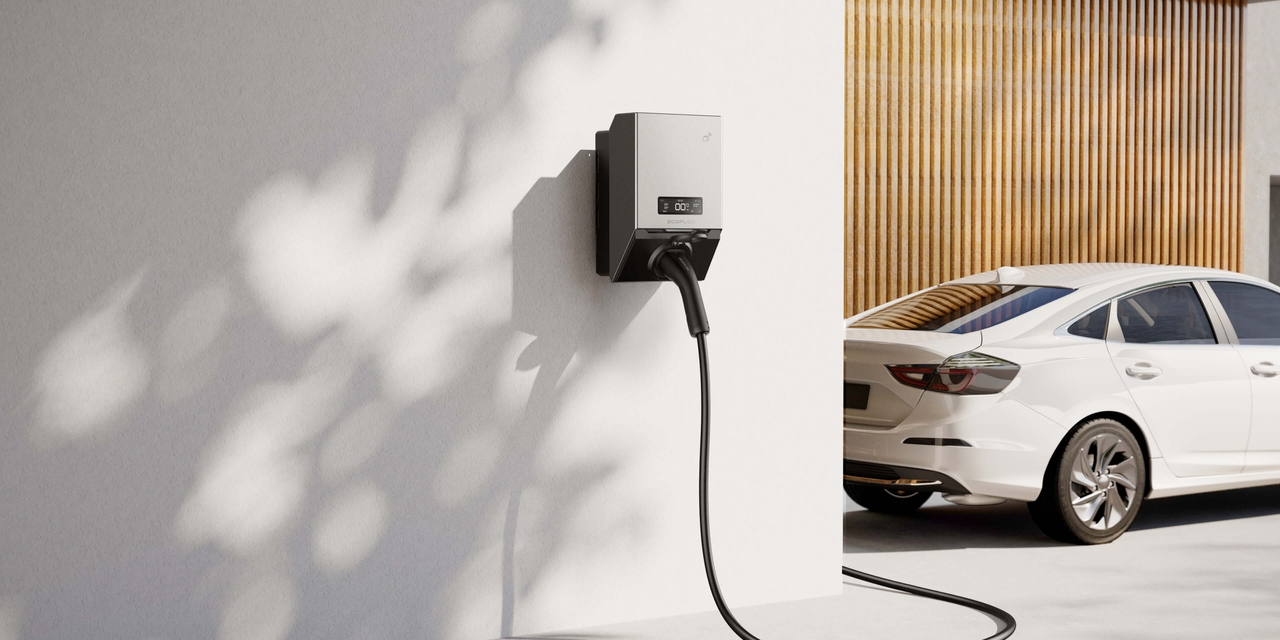
As EVs gain traction on UK roads, smart electricity coordination is also becoming increasingly important during peak demand and temporary power failures in UK households. EcoFlow PowerPulse 2 aims to intelligently integrate the EV charging process into the larger home energy system, which includes solar power generation and residential batteries.
The system offers the following features:
real-time load balancing
scheduled charging
dynamic tariff optimization
solar-first charging modes
smart charging management
These functions can help households use electricity more efficiently and reduce strain on electricity systems during peak times.
By working with compatible home battery systems, PowerPulse 2 can also prioritize surplus solar energy, enhancing the home's energy efficiency and reducing its dependence on grid electricity. If homeowners are thinking long-term about protecting themselves from future Scottish Power power cuts, there's a way to do so with smarter EV charging coordination and residential backup storage, enabling a more flexible and resilient household energy system.
Common mistakes people make during power outages
Scottish Power power cuts, even those lasting only a few hours, can be more disruptive if people are not prepared or take unsafe actions during a blackout. There are many common mistakes that can pose safety risks, cause damage to appliances, or make outages more difficult to manage.
Using candles unsafely during a Scottish Power cut Candles are still widely used during power outages, but they may pose a fire hazard if they are near curtains, paper, or furniture. Most indoor situations require battery-powered emergency lighting.
Overloading portable generators and backup devices Some families add on too many devices to temporary electricity during periods of prolonged Scottish hydro electric power cuts. This could cause damage to equipment or cause overheating.
Forgetting backup charging solutions for communication In emergency situations, phones, radios, and Internet access are critical. Numerous homes experiencing a Scottish Power cut today discover that they don't have charged power banks or backup charging gear.
Opening refrigerators and freezers too frequently If a refrigerator door is kept shut during a power outage, it can keep food cold for a longer period of time. Assessing food during Scottish power cuts could lead to food being cooled continuously which could result in a loss of cooling and increase the risk of food spoilage.
Ignoring weather warnings and outage alerts Severe weather warnings can be used as indicators for possible outages. When households are prepared for emergencies, they typically handle them better than those that are not.
How long do power cuts usually last?
The length of a Scottish Power cut could be affected by the cause of the outage, weather conditions and complexity of repair activities. Many outages can be brief, lasting just a few minutes, or result from larger infrastructure issues or storm events that can last for several hours or longer.
Some of the factors that can influence the restoration time are:
Damage to property
Ease of repair team access
The number of affected households
Safety checks prior to reconnection.
Electricity network operators often use official outage maps and emergency alert systems to provide the public with estimated restoration times. In extreme weather conditions or prolonged power outages, the recovery process can be delayed by ongoing safety hazards and infrastructure damage.
Conclusion
Scottish Power cut can have a significant impact on people's lives, including the loss of power, refrigerator access, communication and the use of household appliances. Severe weather, infrastructure failures and peaks in electricity demand can all cause outages; being prepared before they happen will help keep your home safe and reduce any unnecessary disruption.
Taking a few simple measures like tracking outage alerts, safeguarding appliances, stocking up on emergency supplies, and planning for backup energy support can help keep homes prepared during an outage. Upcoming energy stability and flexibility for the long-term require smarter residential energy planning, while at the same time UK homes are increasingly dependent on electricity.
Homeowners can better navigate future power outages and be more effective and confident in how they manage them if they take proactive steps to prepare for emergencies while also implementing more effective energy options for their homes.
FAQs
Why has my electricity suddenly gone off?
A sudden power cut could be caused by severe weather, damaged power lines, equipment failures, power line maintenance or temporary overload of infrastructure. Scheduled maintenance activities can also cause interruptions in the electric service in certain circumstances.
What should I do during a power outage?
During a power cut Scottish Power event, households should:
Make sure refrigerators and freezers remain closed
Turn off sensitive electronics
Safely use emergency lighting.
Use a charger as appropriate
Turn on energy backup solutions
Safety measures during outages can be reduced by staying calm and following simple safety guidelines.
How can I keep my fridge running during a power cut?
Refrigerators and freezers will keep food cold for several hours if the doors are kept shut. Some households also have a backup battery system or temporary emergency power support to help maintain the stability of refrigeration over the extended period of a Scottish power cut.
What is the best backup power solution for home use?
The choice of backup energy will vary according to household electricity demand, outage duration, and whether the household wishes to support its essential appliances or provide larger home backup. Residential battery storage, solar integration, and more efficient energy systems are all options many UK households are considering to make their homes more resilient to energy outages.

