
The Complete Guide to Saving Electricity at Home in the UK
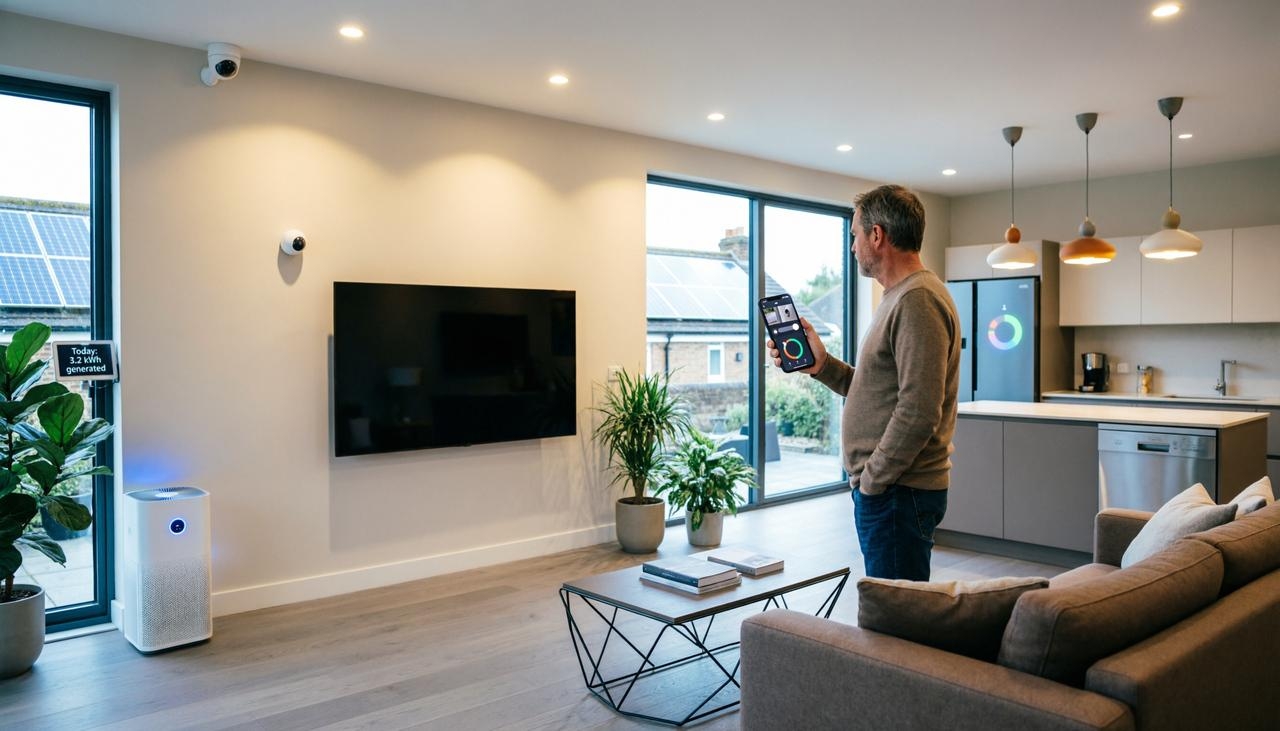
UK electricity costs are still much higher than they were five years ago. While the Ofgem price cap has brought some stability, the average household is still spending considerably more on electricity than before the energy crisis. Knowing how to save electricity at home is no longer just a matter of turning off lights. So if you want to learn how to save on electric bill costs month after month, you'll need to learn some new habits, switch up some of your appliances, and in many cases, create and store your own electricity. This guide takes you through every level of that journey, from quick wins that cost nothing to long-term solutions that can cut your bills by hundreds of pounds a year.
Why Saving Electricity Matters More Than Ever in 2026
The current state of UK electricity costs
In 2026, the average UK household is paying about 24p per kilowatt-hour for electricity, whereas this figure was about 16p in 2021. That increase has added hundreds of pounds to bills for most households, making electricity one of the biggest expenses and most controllable in a household.
Why the average household is still overpaying
The most common household overpayment occurs when people use electricity inefficiently, rather than consuming large quantities. Standby power, inadequate insulation, out-of-date lighting, and not moving water or air usage to lower cost times of day all sneak up on bills. Learning how to save money on electricity at home often starts with identifying these invisible drains.
How much could you realistically save?
Depending on system configuration, tariffs, and usage patterns, a combination of behavioural changes, appliance upgrades, and solar battery storage can significantly reduce grid electricity use in some households. Even simple changes can make a meaningful difference to your annual bills.
Quick Wins: Saving Electricity Without Spending a Penny
Standby and idle appliances: a hidden drain on every bill
Standby costs UK households around £55 per annum, on average, for the use of appliances that are left on standby. Televisions, games consoles, phone chargers are left plugged in, and smart speakers all draw power even when not in use. The simplest solution to save electricity in house settings for free is to switch the devices off at the power socket.
Lighting: simple switches that add up over a year
For anyone who still has older bulbs in any part of the house, a great step is to switch them over to LEDs. LED bulbs use around 75% less energy than traditional incandescent bulbs. A complete home switch usually saves approximately £40 a year.
Heating and hot water habits: small adjustments, big results
Every degree, the lower your thermostat is, the more you will save on heating expenses. You will save up to 10% a year for every degree you lower your thermostat. Small habits that add up to significant savings, like taking a few minutes to shorten showers and only boiling the water you need.
Kitchen and laundry: changing when and how you run appliances
At home, save electricity by running the dishwasher and washing machine at times when they are using the least electricity, and use lower temperatures in the wash setting for those appliances.
Room by Room: Where Electricity Is Wasted and How to Stop It
Kitchen and cooking
Kitchens are usually the largest consumers of electricity at home. The amount of energy needed for the reheating process is much less with a microwave than with a conventional oven. The right-sized hob ring for the pan and the closing door of the oven during cooking will reduce consumption significantly.
Living room and entertainment
A significant portion of home electricity consumption is from large TVs, sound bars, and streaming devices. Turning the television off instead of leaving it on stand-by and enabling energy-saving modes on smart TVs are effective measures. Power usage is high, especially when the gadgets are in standby mode, like gaming consoles.
Bedroom and home office
Overnight, plugged-in phone chargers, laptop computers, and desktop computers continue to consume power. Power strips with individual switches can make turning power off to a handful of devices simple. If you work from home, how to save money on electricity at home takes on additional importance, since daytime usage is typically higher.
Bathroom and utility room
The electricity consumption of electric showers ranges from 7 to 10 kilowatts per shower. Save a significant amount over the course of a year by cutting shower time by 2 minutes a day. Also, where possible, dry clothes on the air dryer instead of the tumble dryer, which will help to reduce electricity consumption significantly.
Longer-Term Changes That Make a Lasting Difference
Insulation and draught-proofing
In the UK, houses consume a lot of energy, with the biggest contributor being heat loss. An insulated home will keep its warmth for longer, which will result in reduced heating system running times. Loft insulation can cost between £150 and £300 per year. Cavity wall insulation can achieve the same savings. It is highly cost-effective to install draught-proofing doors and windows, and will instantly make a difference.
Upgrading to energy-efficient appliances
Over time, the replacement of appliances with A-rated models makes a significant difference. Fridges and freezers have no off or on cycles, and older freezers can consume up to three times as much energy as newer models.
Smart thermostats and heating controls
A programmable thermostat enables you to program exact times and not heat rooms that are not being used. Homes with smart thermostats use about 10-15% less energy for heating. The savings really add up with these combined with improved insulation.
Understanding Your Usage: The Foundation of Real Savings
The monthly energy bill answers the question of how much you spent on energy, but not why. If you don't know which appliances or habits account for the greatest percentage of your electricity use, then it is really a guessing game to try to save electricity. Numerous studies have demonstrated that real-time electricity visibility causes households to consume less electricity. The cost of using your electric shower at the time it's being used is a more effective behaviour change than a bill telling you how much you've used in the previous month.
After determining which appliances are the most expensive, the next step is a system that responds to that knowledge without being manually engaged.
Monitoring Your Home's Electricity Use in Real Time
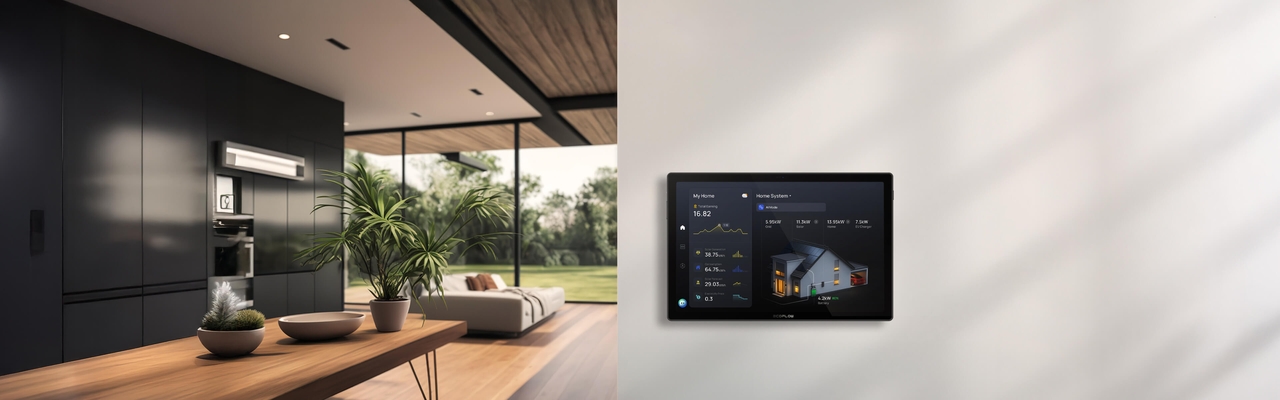
The EcoFlow PowerInsight 2 Monitor is designed for households that seek real-time monitoring of whole-house energy use. It keeps an eye on your consumption on your circuits, tracks solar generation, and feeds all of this data into the EcoFlow app to let you know what is happening at any given time.
What a home energy monitor tracks and how it works
PowerInsight 2 attaches to your home's power supply and gathers data on the spot. Live consumption, historical consumption, and solar generation are displayed via a clear app interface, making it easy to determine which appliances or habits are contributing to your bills, and where to invest in efficiency.
Generate and Store Your Own Electricity at Home
Through monitoring, you can see what you are using. Having and storing your own power alters the nature of the resources you use. For households serious about how to save electrical energy at home over the long term, solar panels combined with home battery storage represent the most powerful available solution.
How solar panels reduce your electricity consumption from the grid
The average PV array size in the UK is 4kW, producing around 3.4kWh annually. That's practically total self-sufficiency in the summer months when the sun is shining, for a 3,500 kWh household per year. You own the electricity you generate and use, and so do not pay the unit rate for the electricity from the grid: you pay only the unit rate for the electricity you use.
Why battery storage makes solar generation work around the clock
Most people use electricity more in the evening than during the day when the sun is shining, even though solar panels produce electricity during the day. If you don't use it, excess generation during the day is sold to the grid at a low price, and electricity consumed at night is bought at a high price. A home battery can help with this by storing energy produced during daylight hours and drawing that energy when it's needed at night.

The EcoFlow PowerOcean Single-Phase is designed for one-phase UK homes, a home solar battery & inverter system. It can hold excess solar energy, back up power when the lights go out, and is controlled by the EcoFlow app. It's modular, enabling you to begin with the size that matches the size of your current solar system and then expand as you go. It is safe, long-lasting, and features lithium-ion battery chemistry, with a warranty of 15 years. To get a solar battery quote tailored for your needs, please contact the EcoFlow team.
Discover the EcoFlow Home Energy Ecosystem to see how solar battery storage, energy monitoring, and smart home devices can all work together.
Schedule Your Free Consultation Today!
What kind of product or solution are you interested in?


Government Schemes and Grants That Help You Save Electricity
ECO4 and the Great British Insulation Scheme
The ECO4 scheme is a government-backed scheme to fund insulation and heating measures for low-income households who are eligible. The Great British Insulation Scheme (GBIS) has been expanded to include loft and cavity wall insulation. Under both schemes, the cost of cost-saving electric energy reduction improvements is reduced in the initial stages.
The Smart Export Guarantee
The Smart Export Guarantee obligates energy suppliers to compensate domestic consumers for electricity exported to the grid from PV panels. These rates have a typical range of 4p to 15p per kWh, significantly improving the financial benefits from solar installation.
VAT relief on energy-saving products
The most effective long-term electricity saving investments, such as solar panels, battery storage systems, heat pumps, and insulation products, all have zero rate VAT in the UK, which lowers the initial cost of the investments most beneficial in the long-term.
Conclusion
Knowing how to save electricity at home in the UK involves following a logical progression. Practice habits and quick wins at no cost. Then invest in efficiency improvements like insulation and smart controls. To get the largest long-term savings: produce your own energy, store it in a home battery, and watch it all in real time! They all add up and can save you over 50% on your electric bill. Learn more about home battery storage systems with EcoFlow to make the next step towards energy independence.
FAQs
What is the fastest way to save electricity at home?
Turn off appliances on the wall, lower your thermostat by one degree, and move energy-intensive activities, such as laundry, to off-peak hours to save electricity in the home as quickly as possible. These changes will not require any investment and will be effective immediately.
How much electricity does the average UK home use?
There is an average consumption of 2,700 to 3,500 kWh per year of electricity in the average UK house, depending on its size and usage. Understanding your own consumption is the starting point for knowing how to save money on electricity at home effectively.
Does turning appliances off at the wall really make a difference?
Yes. Typical home energy bills are increased by around £55 per year due to standby power in all devices. One of the easiest ways to save electrical energy at home without spending a penny is to turn everything off at the switch when it isn't in use.
How can solar panels help me save electricity at home?
Solar panels convert sunlight directly to electric power, which decreases your reliance on electricity from the grid. A 4kW system can provide much of the UK average household demand for electricity. Home battery storage can help store excess power, which can be used during peak times when electricity rates are at their highest.
What is the most energy-hungry appliance in a UK home?
The most power-hungry appliances, such as electric showers and tumble dryers, use anywhere between 2 and 10 kilowatts of electricity to run. One of the most successful methods to conserve electricity at home is to identify and control these devices.

