
Electrical Fire Inside Wall: Causes, Warning Signs and How to Improve Home Energy Safety with Solar Battery Systems
Electrical fires behind walls can often be linked to old wiring, loose connections, overloaded circuits, and overheating inside plasterboard or timber structures. The problem is, you can’t see any of it happening, so arcing and heat can build up without you having a clue until it’s too late.
Homeowners can lower the risk by getting regular EICRs, swapping old fuse boxes for modern consumer units with RCDs or AFDDs. Once electrical safety issues are addressed, modern energy upgrades can help households better monitor and manage increasing electrical loads. And using smart energy systems that let you keep an eye on things in real time and make sure power’s flowing safely and evenly.
Key Takeaways
Hidden electrical fires often start with faulty wiring, loose terminals, or circuits that are overloaded.
Burning smells, warm walls, buzzing, or flickering lights – should not be ignored.
Regular electrical inspections help catch faults before they cause overheating or fire.
And if your home has solar panels or battery storage, energy monitoring can be a big help in keeping on top of what you’re using.
How Can Homeowners Identify Electrical Fire Risks Before They Become Serious?
Electrical faults often develop gradually. Early warning signs include burning smells, warm walls, and flickering lights.
Common Causes Behind Electrical Fires Hidden Inside Walls
Your home’s electrics can quietly go downhill over time without you knowing. The main reasons for hidden electrical fires are:
Ageing or Degraded Insulation: Old rubber or lead‑sheathed cabling may become brittle and deteriorate over time, leaving bare wires exposed behind your walls.
Loose Terminal Connections: Wires can work loose in junction boxes from vibration or if they weren’t fitted properly in the first place. That causes arcing – tiny sparks that get seriously hot.
Overloaded Circuits: Air fryers, hot tubs, EV chargers – all that modern kit can easily overwhelm older ring mains that weren’t designed for it.
Substandard or DIY Electrical Work: Old dodgy wiring, unapproved alterations, or spurs tacked on without being tested – they’re all a fire risk waiting to happen.
Rodent Damage: Mice and squirrels love nesting in lofts and wall cavities, and they’ll happily chew through cable insulation, which can cause a short straight away.
Warning Signs That May Reveal Electrical Problems Behind Walls
Spotting early warning signs lets homeowners act well before smoke or flames show up. The table below runs through common visual, acoustic, and olfactory clues, along with what’s probably causing them and what to do straight away:
| Warning Sign | Likely Cause | Recommended Action |
|---|---|---|
| Burning smell | Overheated wiring | Turn off power immediately. |
| Warm wall | Loose electrical connection | Keep clear and call an electrician. |
| Flickering lights | Faulty or overloaded circuit | Have the wiring inspected. |
| Buzzing sounds | Electrical arcing | Switch off the affected circuit. |
| Breaker keeps tripping | Short circuit or overload | Arrange a professional inspection. |
Electrical Problems Commonly Found in Older UK Properties
A big chunk of UK housing stock was built before modern wiring standards came in. Properties from before the 1990s often have old fusebox-style consumer units with re-wireable fuses – the kind that are easy to fit with the wrong wire gauge. They also tend to lack RCD protection or still have old VIR cabling that just crumbles when you touch it. On top of that, older homes were designed for a time when people had far fewer electrical devices. Limited sockets mean people end up daisy-chaining extension leads, which creates hot spots behind furniture and inside wall boxes.

What Should Homeowners Do When They Notice Possible Electrical Fire Warning Signs?
If you notice signs of an electrical problem behind a wall, don’t ignore them. Here’s what to do next.
What Should You Do If You Smell Burning From Inside a Wall?
A fishy smell or burnt plastic whiff from your wall isn’t something to brush off – it’s a warning that needs acting on fast:
Isolate the Power: Head straight to your consumer unit and flick the main switch off to kill the power immediately.
Evacuate if Smoke or Flames Appear: If you see smoke from socket plates or wall joints, get everyone out of the house straight away and call 999 for the Fire and Rescue Service.
Avoid Interfering with Outlets: Don’t try plugging or unplugging anything from warm sockets – moving them could trigger more arcing.
Contact an Emergency Electrician: Call a qualified sparky registered with a UK competent person scheme like NICEIC or NAPIT to come out and do thermal imaging and fault finding.
When Should You Arrange a Professional Electrical Inspection?
Don’t leave it till you smell burning. Call a sparky straight away if:
Your breaker keeps tripping and you can’t work out why.
You’re buying or moving into an older property with no record of any electrical work.
You’re doing a big refurb, loft conversion, or extension.
You’re getting something like an EV charger, heat pump, or electric shower installed.
You notice sockets looking discoloured or patches of wall feeling warm.
If an inspection reveals outdated or unsafe wiring, homeowners may also want to find out how much it costs to rewire a house before deciding whether a partial upgrade or a full rewiring project is the better option.
How Can You Reduce Immediate Electrical Fire Risks at Home?
While you’re waiting for a sparky to come out, there’s a few bits you can do to cut the risk. Unplug things like space heaters, tumble dryers, and kettles from any circuits you’re not sure about. Don’t daisy‑chain extension leads, and keep your consumer unit clear of coats, boxes, and general clutter. And give those RCD test buttons a press once a month, just to make sure they’re still working properly.
What UK Electrical Safety Standards Help Protect Homes From Fire Risks?
The UK has clear electrical safety standards for homes. They help ensure electrical work is carried out safely and meets current regulations.
Electrical Inspections Help Identify Hidden Safety Problems
An Electrical Installation Condition Report (EICR) is an in-depth assessment of a property’s fixed wiring, consumer unit, and outlets. During an EICR, a qualified inspector performs physical and electrical tests to detect hidden safety issues, assigning standardised observation codes as detailed below:
| EICR Code | Safety Classification | Required Action Timeline |
|---|---|---|
| C1 (Danger Present) | Immediate risk of injury or electrical fire present. Unsafe condition. | Urgent action required. The electrician will typically isolate the dangerous circuit immediately on site. |
| C2 (Potentially Dangerous) | Potentially dangerous conditions that could lead to risk of injury or fire. | RRemedial action is recommended as soon as possible to reduce safety risks. |
| C3 (Improvement Recommended) | Does not comply with current safety standards, but is not immediately dangerous. | Remedial work is not mandatory but strongly recommended to enhance long-term home safety. |
| FI (Further Investigation) | An unexplained fault or hidden circuit section requires further investigation. | Prompt investigation required without delay to confirm safety status. |
BS 7671 and Part P Help Maintain Electrical Installation Standards
All domestic electrical work in the UK must adhere to BS 7671 (the IET Wiring Regulations). This standard dictates cable sizing, protective earthing, and safety devices. Furthermore, under Part P of the Building Regulations in England and Wales, higher-risk electrical installations, including new consumer units, full rewires, and major additions like solar battery storage, must be completed by a certified competent person or notified to Local Authority Building Control to ensure fire and electrical compliance.
Home Electrical Upgrades for Safer Modern Energy Systems
Getting your home’s electronics sorted is a must before you start adding a modern clean energy kit. New consumer units with Type A RCDs, SPDs, and AFDDs keep an eye on the electrical waveform and help detect certain electrical faults and disconnect circuits before they develop into more serious hazards. Pair that upgraded board with cabling that’s properly rated, and your property will be able to handle the extra load smoothly and safely. For homeowners adding solar generation and storage, integrating a reliable EcoFlow Solar Battery with a properly prepared electrical system can further support safer energy management and more efficient power use.
How Can Modern Energy Systems Help Homeowners Manage Electricity Better?
Modern homes use more electrical equipment than ever before. If you have solar panels, battery storage, or an EV charger, keeping track of your energy use becomes even more important.
Solar Battery Systems Can Support Smarter Home Energy Management
As more UK homes take on solar panels, EVs, and high‑draw appliances, domestic power setups are getting more complicated. Keeping track of how you generate, store, and use electricity helps you keep track of your household energy use – and when it’s backed up by proper installation and regular inspections, it also supports safer operation.
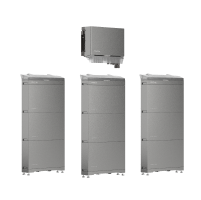
Solar battery storage lets you capture surplus daytime solar and use it during peak evening hours or when demand’s high, which boosts your overall efficiency. For homeowners looking to get a proper grip on their energy use, something like the EcoFlow OCEAN 2 Plus Single Phase can be a useful part of the setup, slotting in smoothly with solar generation and smart management systems.
Real-Time Energy Monitoring Improves Household Electricity Visibility
With more stuff plugged in and drawing power than ever, it pays to know what you’re generating, storing, and using. Live monitoring helps you catch weird spikes or odd draws early, so you can keep on top of your daily usage without any nasty surprises.
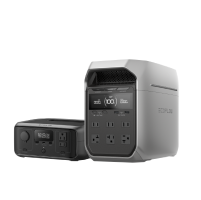
Tools like the EcoFlow PowerInsight 2 give you a clear view of where your energy’s going. They offer practical insights into your habits, helping you run your home’s power setup more smartly.
.png)
Smart Home Integration Supports More Efficient Energy Use
Connecting solar storage, smart monitors, and household devices through a Home Energy Ecosystem allows homeowners to manage their power use more effectively. By linking generation, storage, monitoring, and smart devices, homeowners can gain better visibility over electricity flows and create a more coordinated approach to household energy management. This helps optimise energy distribution during periods of high demand, reducing unnecessary strain on household circuits and supporting safer operation.
Schedule Your Free Consultation Today!
What kind of product or solution are you interested in?
Conclusion
Electrical fires behind walls are a real hidden risk in UK homes, especially older places with wiring that wasn’t designed for today’s power demands. Keep an eye out for warning signs, get regular EICR checks done, and make sure you’re up to date with BS 7671 standards. And with more people charging EVs and using electric heating these days, it makes sense to pair good electrics with smart kit like battery storage and live monitoring. That way your home’s safer, runs better, and is sorted for whatever comes next.
Disclaimer: Electrical safety requirements, installation standards, and regulations may change over time. The information in this article is intended for general guidance only and should not replace professional electrical assessment, testing, or installation advice. If you notice signs of electrical faults, overheating, or potential fire risks, always consult a qualified electrician or an approved electrical contractor. Solar battery systems and related energy equipment must be installed, commissioned, and maintained in accordance with applicable UK regulations and manufacturer guidelines.
FAQ
Can an electrical fire inside a wall start without visible smoke?
Yes, it can. A fire can burn behind your walls for a good while before any smoke shows. The heat from arcing or smouldering insulation builds up behind plasterboard or timber, and you might only notice warm patches on the wall, a funny fishy smell, or your trip switches going. It can be a while before smoke actually breaks through into the room.
How can homeowners tell if their wiring needs checking?
Look out for frequent trips, flickering lights, discoloured socket plates, or buzzing from switches. And if your property hasn’t had an EICR in over 10 years – or 5 years if you’re renting it out – it’s time to get a sparky in.
How quickly can an electrical fire spread inside a wall?
It can spread in minutes once timber, insulation, or paper backing catches. Wall cavities can sometimes allow heat and fire to travel more easily through a property, so a hidden spark or fault can turn into a serious structural fire pretty fast if the circuit isn’t cut off quickly.
Can solar batteries increase electrical fire risks at home?
No, professionally installed solar batteries that meet relevant UK safety requirements are not generally considered to increase electrical fire risks when integrated into a suitable electrical system. In fact, modern solar battery systems incorporate advanced Battery Management Systems (BMS) and thermal safeguards, and when installed alongside upgraded consumer units, they can support more controlled and monitored household energy management.

