
Commercial Battery Storage UK: A Practical Guide for Small Businesses
Commercial battery storage no longer has to be restricted to large factories or major industrial sites. Small shops, family cafés, workshops, and mixed residential/commercial properties are looking to battery systems to more effectively manage electricity usage.
For such businesses, commercial battery storage can enable more flexible energy use, such as when solar panels generate excess power at certain times of the day or when businesses have a consistent daily energy consumption pattern. A system's worth lies in its suitability for the property's requirements, including capacity, charging pattern, and installation design.
This guide covers the basics of how commercial battery storage systems operate, how they might fit for smaller businesses, the critical factors that influence cost, and how battery storage and energy monitoring can help inform long-term energy decisions.
What Is Commercial Battery Storage?
Commercial battery storage enables a business to store electricity for later use. It can be charged from on-site solar energy and, if appropriate, from the mains when demand is low, providing power when required by the property.
For small businesses, commercial battery storage is typically more about gaining greater control over their daily energy consumption than for large-scale, industrial energy storage systems. The right setup should be tailored to the property's demand pattern, available space, the existing electrical setup, and future plans.
How Commercial Battery Storage Systems Work
Commercial Battery Storage Systems collect electricity and then store it for later use. For a small business or café, for instance, with solar panels, energy can be stored in case of a surplus in daytime production.
If demand increases later in the day, the battery can meet the property's electricity needs. The actual charging/discharging cycle will depend on the system design, the amount of solar energy produced, the controls regulating energy flow within the system, and the business hours.
Residential vs Commercial Battery Storage for Small Businesses
The principle is the same for residential and small-business battery systems, although the energy profile can vary drastically. A house could have demand in the evenings, whereas a café, workshop or local shop might have a higher demand during business hours.
Therefore, commercial battery storage needs to be optimised for the business's true usage profile. Refrigeration, lighting, kitchen equipment, machinery, or mixed-use demand can also be factors in sizing an appropriate system for small commercial properties.
Why Demand for Commercial Battery Storage UK Is Growing
Many small businesses are looking more closely at how electricity is used across the day, particularly where operating costs are sensitive to regular energy demand. Commercial battery storage in the UK may be applicable to businesses seeking to make better use of their own solar generation or to increase their flexibility in electricity consumption.
There is also an interest in mixed residential/commercial uses where a single site could serve both residential and business loads. In such scenarios, storage can be integrated into a broader strategy to manage consumption, plan for future demand, and increase on-site energy use.
How Small Businesses Can Benefit from Battery Storage
The benefits of battery storage for businesses rely on their electricity usage patterns throughout the day. Small commercial properties with regular business hours, predictable energy demands, or on-site solar generation are likely better equipped to determine whether storage is right for their energy plan.
Rather than viewing a battery as a single transaction, owners should consider how a battery will complement their everyday trading habits, use of critical equipment, tariff structure, and future electricity usage.
Reducing Electricity Costs With Commercial Battery Storage
Commercial battery storage can be used to shift some electricity usage away from more expensive times of day, depending on the tariff, system setup, business type, and usage patterns. This is especially the case if there is a peak of demand at a particular time of the day.
For instance, a small business that is open every day and has steady business, or a café with relatively consistent daytime energy demand, will have a more definite energy profile than a business with fluctuating demand. First, analysing half-hourly or smart-meter data allows us to assess whether storage can support a viable cost-management strategy.
Increasing Solar Self-Consumption With Commercial Solar Battery Storage
Commercial solar battery storage can capture more of the power generated during the day for businesses with solar panels installed on their premises. Surplus solar energy can be stored for future use, when demand is still present on site.
It can be beneficial for cafés, smaller retail stores, workshops, and mixed-use developments where solar generation does not necessarily coincide with peak electricity consumption. Potential benefit depends on generation levels, battery capacity, and the battery system's match to the property's demand.
Managing Daytime Demand With Commercial Battery Storage Systems
Certain small businesses have high-energy-consuming machines that are used during the trading hours. There may be appliances that require regular use during the day, such as refrigeration in convenience stores, coffee-making machines in cafes, lights and ventilation, small equipment and kitchen facilities.
Commercial battery storage solutions of the appropriate size may help this trend by providing electricity when demand is higher. Projections based on estimated consumption should be avoided; the system should be custom-designed using actual load data, so the business doesn't end up specifying more capacity than they can use efficiently.
Improving Flexibility During Peak Tariff Periods With Commercial Battery Storage UK
Not all electricity consumption is uniform throughout the day. Commercial battery storage UK can provide more flexibility in usage timing for businesses with tariffs that fluctuate based on the time of day or demand period.
This does not replace the need for overall consumption management. But storage can be part of a wider strategy that considers tariff options, plans for energy-intensive jobs when it makes sense, and gains better visibility into electricity usage.
Key Factors When Choosing Battery Storage for a Small Business
When choosing commercial battery storage for a small company, the process should start with the property's electricity profile. A system that is too small may not be of much use, and a system that is too large may not be used to its full capacity.
The best system will vary based on the specific energy needs, usage time, existing solar infrastructure, and potential future changes to the business site.
Matching Battery Capacity to Commercial Battery Storage Demand
When estimating battery capacity, be sure to consider actual electricity usage, not general figures. What is required for a café that operates during the day with refrigeration and kitchen facilities may differ from that for a workshop that uses machinery for brief periods or a shop with constant lighting and cooling load.
Analysing smart-meter information, equipment run times, and equipment used during peak hours can provide clues to periods of electricity consumption. This reduces the hassle of balancing industrial battery capacity with the time it is most likely to be used.
Assessing Existing Solar With Commercial Solar Battery Storage
Existing solar panel users should compare the amount of solar produced with on-site energy demand before choosing a commercial solar battery storage system. It's not only about how much electricity the panels produce, but also about how much of that electricity isn't used when it is generated.
If surplus is generated regularly, storage could capture more energy for later use. If the majority of the solar output is being used now, a different capacity may be necessary or a greater emphasis is needed on monitoring and future additions.
Planning for Future Expansion of Commercial Battery Storage Systems
A small business might have a relatively stable demand today, but different needs tomorrow. Changes in electricity use can include new refrigeration equipment, extended hours, new work areas, electric heating, or EV charging.
One criterion for choosing commercial battery storage systems is whether the system can be expanded later. Design planning for future demand can prevent expensive changes if the business expands or its energy use becomes more complex.
Space and Installation Considerations for Commercial Battery Storage UK
Practical considerations include physical space and access to installation. There should be enough space around the battery equipment for electrical connections, ventilation, and easy access by installers for future maintenance.
In smaller properties, such as commercial battery storage facilities in the UK, space might be limited by stock rooms, customer areas, kitchens, or other building configurations. Early site checks confirm that normal business operations will not be disrupted and that the proposed system can be installed safely.
Commercial Battery Storage Costs and Key Buying Considerations
Commercial battery storage solutions can vary significantly in cost from one business to another due to the wide variety of ways electricity is utilised. A compact system for a family café could be quite different to that of a convenience store that requires refrigeration, a workshop that has machinery, or a mixed-use building that combines business and residential needs.
Businesses should consider the overall system design, installation requirements, energy consumption over time, and whether the system fits into their long-term plans.
Factors Affecting Commercial Battery Storage UK Cost
A variety of factors, such as battery capacity, inverter size, electrical upgrades, installation complexity, and site conditions, affect the cost of commercial battery storage in the UK. Sometimes, additional tasks are required before a system can be installed, such as in properties with limited space, with complex cable routing, or with older electrical systems.
These costs can be identified early in a clear site survey and energy assessment. This allows business owners to see the total investment in battery equipment rather than just the price of the batteries.
Battery Capacity Requirements for Commercial Battery Storage Systems
One of the primary factors that impacts system cost is battery capacity. Larger commercial battery storage systems can store more electricity, but are not cost-effective unless the business can utilise the electricity, either by having sufficient surplus generation or by having suitable demand.
The size should account for the business's load requirements, operating hours, peak usage times, and daily energy use. Checking real data usage helps to prevent paying for unused capacity.
Solar Integration Opportunities With Commercial Solar Battery Storage
Commercial solar battery storage might be a chance to store more solar power onsite for later use for properties with solar panels. This may be especially true if the company generates solar power during the day but consumes it in the late afternoon or early evening.
The value obtained depends on the ratio of solar generation to business needs. Owners should evaluate current solar electricity use, the amount exported, and the potential for storage to better align solar electricity generation with electricity usage.
Long-Term Value and Return on Investment for Commercial Battery Storage
The long-term benefits of commercial battery storage are reliant on the regularity of use and its alignment with the company's energy profile. Whether a battery will help manage costs, increase solar self-consumption, and provide flexibility will depend on the tariff, usage characteristics, system size, and future electricity requirements.
Equipment warranties, service life, maintenance requirements, and scalability should also be considered when selecting systems for a business. These factors, considered as a whole, make a more useful basis for decision-making than the up front price alone.
Optimising Energy Storage for Small Commercial Properties
When considering battery storage for small commercial properties, it's best to design it in conjunction with real energy behaviour, rather than as a standalone solution. A business could have high daytime demand, a solar generation surplus, or equipment that tends to increase electricity usage at certain times of day.
The need for a better understanding of how electricity flows through property is growing as energy costs and needs evolve. Pairing storage and monitoring can help clarify when energy is being produced, when it is being consumed and where a business might be able to make a difference in reducing on-site usage.
Therefore, a real-life commercial battery storage plan should take into account not only the size of batteries, but also how solar generation, business needs, and future energy requirements can be aligned in the long-term.
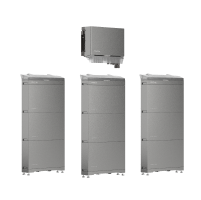
Example of Scalable Storage for Small Commercial Sites: EcoFlow PowerOcean Single-Phase
For businesses with solar panels or predictable daytime demand, commercial solar battery storage can help keep more on-site generation available for use later. This can be relevant to family cafés, local shops, workshops, and mixed-use properties where solar output and electricity demand do not always coincide.
EcoFlow PowerOcean Single-Phase is designed as scalable residential and small-business storage for properties that want to integrate solar energy storage into a wider energy plan. When matched to the site’s demand profile, it can help businesses make more practical use of the electricity produced on site.
The important point for owners and installers is not just installing a battery, but selecting a storage solution that accommodates current use and allows for future changes in demand.

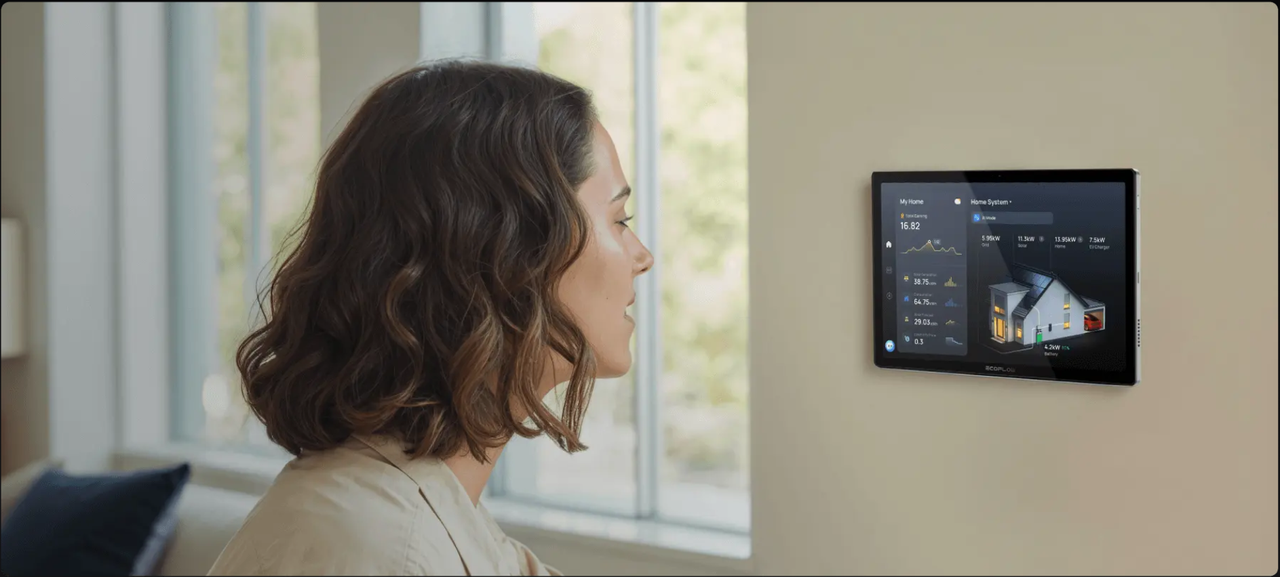
Improve Energy Visibility With EcoFlow PowerInsight 2 Monitor
Storage decisions become more effective when businesses understand how electricity is used throughout the day. A commercial battery storage system may perform differently depending on trading hours, equipment loads, solar output, and changes in customer activity.
EcoFlow PowerInsight 2 Monitor provides real-time energy visibility for homes and small properties, helping users review electricity consumption, solar generation, and stored energy in one place. This can support better-informed decisions about when to use power, when to store it, and whether future system expansion may be worthwhile.
Small commercial properties benefit from the energy monitoring and control layer. It assists owners in transitioning from assumptions about their electricity consumption to data-driven decisions on how they want their energy system to evolve.
Schedule Your Free Consultation Today!
What kind of product or solution are you interested in?
Conclusion
Commercial battery storage can be a viable solution for small businesses with specific energy requirements or those looking to optimise their use of solar energy or achieve greater flexibility in energy use. The optimal system will vary based on the property's usage duration, equipment requirements, space constraints, cost, and future energy usage.
EcoFlow PowerOcean Single-Phase might offer a viable storage solution as part of a larger energy plan for small properties that consume power during the day, such as businesses with solar panels. Storage, combined with transparent electricity consumption data and realistic capacity planning, can enable owners to make more intelligent decisions about electricity generation, storage, and consumption.
Small commercial buildings can reduce their dependence on paper and lower utility costs by reviewing demand patterns prior to installation and planning for future changes in demand to better suit an energy set-up that is both more practical and adaptable to long-term operating requirements.
FAQs
How much does commercial battery storage UK cost?
The price of commercial battery storage in the UK varies with battery size, inverter requirement, required electrical upgrades, installation complexity, and whether the property has existing solar panels. There isn't one set price, as the needs of small cafés, shops and workshops can vary.
Typically, a site survey and a study of actual electricity consumption is the first step. This allows businesses to consider the total installation cost and the resulting capacity and energy-use benefits they can expect.
Can commercial battery storage work with solar panels?
Yes, for commercial settings, battery storage can be employed to store excess solar power generated during the day, which can be utilised during peak hours or for specific tasks.
This can be particularly helpful when the sun is producing a lot of energy during a low-demand time of the day, yet demand persists through the afternoon or evening. Optimal outcomes depend on the match between the battery's capacity and the amount of electricity generated by the solar panels and consumed locally.
What size commercial battery storage system does a small café typically need?
The size of the commercial battery storage system will vary depending on the café's opening hours, refrigeration load, kitchen equipment, lighting, solar output, and evening demand. A small café with limited equipment may require a completely different setup than one with several refrigerators, ovens, and coffee machines, and that is open for many hours.
Before choosing capacity, businesses should review:
Daily electricity consumption and the busiest operating time.
Equipment that induces a steady-state peak demand.
Solar generation levels, where solar panels are installed.
This information can help you pick a battery that is more practical than just the biggest one available.
Can commercial battery storage help reduce peak electricity costs?
Yes, in some cases. Depending on the tariff structure and system configuration, commercial battery storage can enable businesses to utilise electricity from their batteries during higher-cost periods.
The potential gain is greatest if the demand can be made to follow a repeatable pattern and the battery can be charged when electricity prices and/or solar availability are more favourable. Businesses should check their tariff and consumption figures before assuming that storage will save money.
Is commercial solar battery storage suitable for mixed residential-commercial properties?
Commercial solar battery storage may be appropriate for mixed-use properties where a business and a homeowner share the same site or have connected energy requirements. But in planning the system, it is necessary to be cautious as domestic and commercial loads may happen at different times.
Owners should consider:
Whether household and business electricity use are measured separately.
When solar generation is available compared with each type of demand.
Whether future changes, such as EV charging or additional equipment, may increase energy use.
An adequately sized system can be useful to optimise the use of solar generation on broader property.
What information should businesses monitor before expanding commercial battery storage systems?
Commercial battery storage systems should not be expanded without first understanding how much electricity a business consumes, when it reaches peak electricity demand, how electricity is exported or left unused with solar PV, and whether the current battery is frequently overcharged or discharged.
By tracking this information over time, owners can determine whether the current configuration is a good fit for their demand. It also offers a firmer foundation for deciding whether additional storage would meet real business needs.

