Will Australia Run Out of Fuel? What Energy Security Means for Australian Homes
Australia’s fuel supply is generally reliable, but the country is more exposed to global pressures than ever. Today, imports supply roughly 80% of Australia’s refined fuel (and over 90% of total liquid fuel needs when accounting for imported crude). That reliance has surged as domestic refineries closed, leaving just two active facilities nationwide.
This heavy import reliance makes fuel prices and transport costs particularly sensitive to global shipping, oil markets, and geopolitical events. These pressures can also feed into wholesale electricity prices, which in turn affects household bills.
As a result, more homeowners are looking at solar and battery storage as a way to reduce that exposure. The goal is often less about going off-grid and more about gaining greater control when external prices shift. This guide looks at Australia’s fuel security, how global disruptions affect energy costs, and why storage is part of the conversation.
Key Takeaways
Import reliance: Australia still leans heavily on imported refined petroleum products. In 2023–24, imports covered roughly 79% of domestic refined fuel demand.
Cost ripple effect: Fuel and broader global energy-market disruptions can raise transport and freight costs and may also contribute indirectly to electricity-price pressures, although Australian power prices depend on many local market factors.
Energy independence: Pairing rooftop solar with home battery storage gives households a buffer against grid instability and unpredictable retail tariff movements.
Blackout resilience: A smart home battery system keeps essential appliances running through storm‑related outages – your fridge, lighting, and Wi‑Fi stay online when the grid drops out.

Is Australia at Risk of Running Out of Fuel?
A total, nationwide fuel shortage probably won’t happen under normal circumstances. But Australia’s liquid fuel security still hangs on international supply chains. The government has recently boosted domestic reserves and tightened up the overall security framework. That’s good. But we’re still exposed, global supply disruptions, shipping delays, commodity price spikes, any of those can hit us.
Australia’s Current Fuel Supply Situation
Over the past two decades, closures have steadily reduced Australia’s domestic refining capacity. Today, only two facilities remain active—Viva Energy’s refinery in Geelong, Victoria, and Ampol’s Lytton facility in Queensland.
| Fuel Security Metric | Current Australian Snapshot | Global / IEA Benchmark | Practical Household Impact |
|---|---|---|---|
| Domestic Refineries | 2 operational refineries | Diversified regional refining | Low domestic refining buffer during international crunches |
| Import Dependency | ~79% of refined fuels directly imported | Varies widely by nation | Immediate exposure to overseas freight & crude price spikes |
| Onshore Stock Days | ~20–30 days physical consumption on shore | 90 days of net imports (IEA standard) | Rapid price surges at the bowser within days of supply shocks |
| Primary Sources | Singapore, South Korea, Malaysia, Japan | Domestic or multi-modal piped networks | Maritime choke points represent a single point of failure |
Why Fuel Supply Risks Exist
Several structural vulnerabilities keep Australia’s fuel security on edge:
Shipping Route Bottlenecks
Australia depends heavily on maritime supply chains for imported petroleum products. Disruptions caused by geopolitical tensions, severe weather, port congestion or shipping constraints can increase delivery times, raise freight costs or tighten regional fuel markets.
Just-in-Time Logistics
Australia’s fuel system combines domestic production, commercial inventories, imports and government-supported reserves rather than relying on a single large national stockpile. This means supply resilience depends on the continued operation of multiple parts of the fuel supply chain.
Diesel-Driven Supply Chains
Long-haul trucking, agricultural harvesting, and rail transport depend heavily on diesel. When diesel inventories tighten, everything from supermarket groceries to construction materials feels the pinch.
How Could Energy Supply Risks Affect Australian Energy Costs?
A liquid fuel shortage wouldn’t directly cut off household electricity, but the knock‑on effects are real. Global oil shocks can push up operating costs for backup peaking plants, diesel‑dependent grid transport, and international gas benchmarks. More importantly, as households swap petrol cars for EVs and gas appliances for heat pumps, our daily lives become increasingly dependent on electricity. When broader energy security tightens and retail tariffs start swinging, relying solely on the grid for your home’s primary energy needs can become a considerable risk.
Global Fuel Market Changes Drive Energy Price Fluctuations
The National Electricity Market (NEM) draws on a mix of coal, gas, hydro, wind, solar and other sources to keep up with shifting demand. Global commodity markets can feed into Australian wholesale electricity costs – especially through gas prices and the export exposure of some coal-fired generators. But it’s not a straight line. Local supply and demand, weather, generator availability, transmission bottlenecks, and the generation mix in each region all play their part too.
Rising Energy Prices Increase Household Expenses
Wholesale cost volatility eventually feeds into retail tariffs, layered atop network infrastructure charges, retailer margins, and environmental scheme levies. So the actual impact varies, it depends on which state you’re in, your distribution zone, your retailer, and the specific plan you’re on.
Energy Uncertainty Makes Long-Term Planning Difficult
When power prices bounce around unpredictably, planning a household budget becomes challenging. Forecasting summer cooling or winter heating costs can feel like guesswork. This uncertainty is a key reason why more homeowners are looking for ways to cut their reliance on grid power – generating and storing more of their own energy on-site.
Why Are Australian Homes Moving Toward Energy Independence?
Rather than waiting for market reforms or bracing for the next tariff revision, Aussie households are taking matters into their own hands with clean home energy setups.
Reduce Exposure to Rising Energy Prices
Rooftop solar lets you generate your own power on-site and cut back on what you buy from the grid. Over the long run, the economics can compare favourably against retail electricity prices – though the actual cost and payback period depend on a few factors: system size, where you live, installation cost, how much power you use, and how much sun you actually get. Before investing, reviewing the main solar battery cost factors can help households compare system sizes and expected long-term value.
Gain More Control Over Household Energy Use
Instead of relying entirely on grid electricity during higher-priced periods on some time-of-use plans, families can use stored solar energy to run appliances in the evening and other periods when their solar panels are no longer producing electricity. A connected Home Energy Ecosystem can coordinate solar generation, battery storage and household loads from one integrated setup.
Support the Shift Toward Home Electrification
More households are swapping gas cooktops for induction, installing heat pump hot water systems, and plugging in an EV out the back. All of which means residential electricity demand is climbing – naturally enough. Generating clean power right where you use it makes the whole electrification shift cost‑effective and hassle‑free. If an EV is part of that transition, understanding how much does it cost to charge an electric car can make future household energy planning more predictable.
How Can Solar and Battery Storage Improve Household Energy Security?
Rooftop solar pumps out most of its power during the day, but a lot of households don’t really crank up their usage until evening. That’s where a home battery comes in – it stores the surplus solar you generated during the day and makes it available when you actually need it.
Reduce Reliance on Grid Electricity With Solar Storage
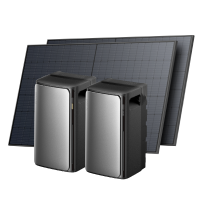
A home battery stores the solar power you generate during the day and makes it available after the sun goes down. That means you use more of what you produce and buy less from the grid. How much you actually save depends on a few things – your solar system size, battery capacity, how your household uses power, the weather, and your electricity tariff. For homeowners comparing storage options, EcoFlow Solar Battery solutions can help match capacity and backup needs to household demand.
Provide Backup Power During Grid Outages
When bushfires, severe storms or network faults cut your power, a properly set‑up home battery can keep selected circuits running. That means your fridge stays on, lights stay on, Wi‑Fi stays on and anything else you’ve wired into the backup loop while the grid’s offline.
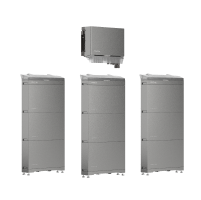
The EcoFlow OCEAN 2 Plus Single Phase is a good example. It can be configured to take over automatically when the grid drops. How long it lasts and what it can run depends on your installation setup, the battery capacity you have available, and the loads you’ve connected – but it is designed to reliably handle essentials like refrigeration, lighting, and communications equipment during an outage.
Optimise Household Energy Use With Smart Management
As more Australian homes bring together rooftop solar, battery storage, and high‑draw electric appliances, keeping tabs on what you’re generating and using in real time starts to matter.
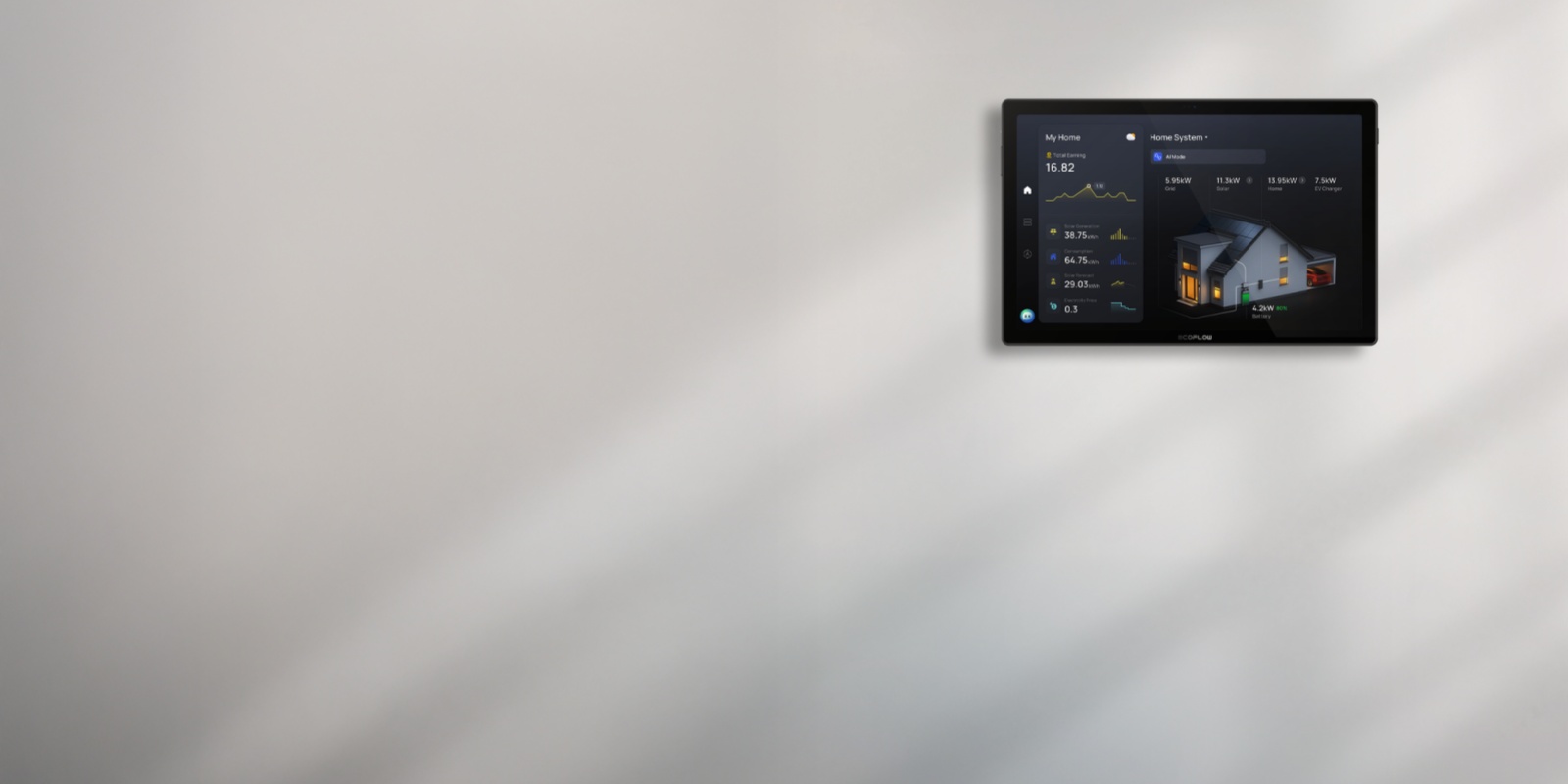
The EcoFlow PowerInsight 2 gives you a clearer window into your household energy setup. Depending on what you’ve got connected and how it’s configured, you can track generation and consumption, check battery levels, and use the built‑in management features to match your household load with the solar you’re actually producing.
Schedule Your Free Consultation Today!
What kind of product or solution are you interested in?
Conclusion
Australia is unlikely to run out of fuel under normal circumstances, but its reliance on international supply chains leaves households exposed to broader energy-market volatility. Rooftop solar and battery storage cannot remove those risks entirely, but they can help households reduce grid purchases, use more of their own solar energy and maintain selected essential loads during outages when the system is configured for backup.
FAQ
Is Australia Likely to Run out of Fuel?
No, a catastrophic nationwide fuel outage is considered unlikely, but Australia remains vulnerable to sudden supply pinches due to having only around 20 to 30 days of physical fuel reserves onshore.
How Will Australia Manage the Fuel Crisis?
Australia manages fuel security risks through measures such as the Fuel Security Act, financial support packages to keep its two remaining domestic refineries operational, and strategic diesel reserves stored both domestically and overseas.
Where Does Australia Get Fuel Supply From?
Australia imports the majority of its refined fuels from major regional refining hubs in Singapore, South Korea, Japan, and Malaysia, while also sourcing crude feedstock from various international producers.
Can Australia Be Self-Sufficient in Oil?
Australia cannot easily become fully self-sufficient in oil, in part because domestic crude is predominantly light and sweet – a grade that is often more suitable for export than for producing the heavy diesel and jet fuel our domestic transport system requires.
Can a Solar Battery Be Used to Charge an EV?
Yes, you can charge an electric vehicle using stored solar battery power. However, many homeowners prefer to route daytime solar directly to the vehicle while reserving dedicated battery storage for overnight household loads.
How Many kWh Does an Average House Use in Australia?
An average Australian household consumes between 15 and 20 kWh of electricity per day, although this figure can vary depending on the season, home size, climate zone, and whether high-draw heating, cooling, or pool pumps are in use.