What Is a Carbon Offset? The Ultimate Guide to Balancing Your Carbon Footprint
Nobody has figured out how to run a modern economy without producing greenhouse gases. Not yet. Flights, concrete, steel, agriculture, logistics. All of it emits carbon. Therefore, to tackle unavoidable residual emissions generated by daily and industrial activities, carbon offsetting has become a widely adopted climate solution.
Carbon offsetting is one response to that gap. Pay for a climate project somewhere else. That project reduces or removes an equivalent amount of carbon. The transaction is supposed to balance the ledger. Whether it does depends entirely on the quality of the project and how rigorously it is verified.
This is not a clean topic. There are legitimate uses of home battery backup systems and other direct emissions-reduction tools that cut carbon at the source. There are also poorly designed offsets that do little. This guide covers all of it.
What is a carbon offset?
A carbon offset is a measurable reduction or removal of greenhouse gas emissions used to compensate for emissions produced elsewhere, supporting projects like reforestation, renewable energy, and methane capture.
In Australia, the official unit is the Australian Carbon Credit Unit (ACCU).
The Clean Energy Regulator issues ACCUs and checks that each one represents a genuine tonne of CO₂e (Carbon Dioxide Emission) avoided or removed through a verified project.
How do carbon offsets work?
If you are wondering, "what is carbon offsetting and how does it work", then keep in mind that carbon offsets work by funding verified projects that reduce or remove emissions, helping balance unavoidable carbon footprints elsewhere.
Step 1: Calculate
Work out how much CO₂e is being produced. For a household that is electricity, gas, and transport. For a company it also includes supply chain emissions. Carbon calculators exist for this purpose, ranging from basic to detailed.
Step 2: Reduce first
The widely accepted principle is to cut what can be cut before buying offsets. Australia's Climate Active framework is built on this sequence. Offsets are for what remains, not a substitute for reducing actual emissions.
Step 3: Buy verified credits
Purchase credits from a project that meets recognised quality standards. The offset is only worth something if the underlying reduction is real and additional, meaning it would not have happened without offset funding.
Step 4: Retire the credit
This is the step that prevents double-counting. When a credit is retired in a registry, it is permanently cancelled. No one else can claim that same tonne. In Australia, ACCUs are retired through the ANREU registry. In voluntary markets, Verra and Gold Standard maintain their own public registries.

The benefits of carbon offsets: beyond just balancing numbers
The following are some of the major advantages of the carbon offset concept, thereby helping in a sustainable lifestyle.
Environmental co-benefits: Not all carbon benefits stay in the atmosphere. Reforestation projects rebuild habitat. Savanna fire management reduces soil erosion. Soil carbon farming improves water retention on degraded land.
Social and economic empowerment: Some of the most credible offset projects run in remote communities. In northern Australia, Indigenous groups run savanna fire management programs that generate ACCUs, protect the country, and create local work at the same time.
Funding green innovation: Early cookstove projects in developing countries proved that simple technology changes could reduce deforestation and indoor air pollution simultaneously. Offset revenue helped those programs reach scale faster than aid funding alone.
Corporate and personal accountability: When an organisation puts a dollar figure on its residual emissions, it creates a financial reason to reduce them. Accountability tends to improve when costs are visible. Third-party verification adds pressure to make that accounting honest.
The two main types of offsets: avoidance vs. removal
Two fundamentally different things can generate a carbon credit. One stops new emissions. The other pulls old ones back out.
Avoidance is faster to implement and cheaper at scale. Protect a forest that was about to be cleared. Capture methane from a landfill before it vents. Install clean energy where coal was the only option. These projects prevent a tonne from entering the atmosphere.
Removal works in reverse. Plant trees that absorb CO₂ as they grow. Change farming practices, so soil stores more carbon. Use direct air capture machines to pull CO₂ directly from the air. Removal deals with what is already up there.
Both matter. Avoidance is easier and more common today. Removal is more expensive but addresses accumulated atmospheric carbon rather than just preventing new additions. Households choosing solar battery storage to reduce grid reliance are making a similar avoidance decision. They cut emissions before they happen rather than compensating afterward.
Real-world examples of carbon offset projects
Carbon offset projects take many forms, from reforestation and renewable energy initiatives to methane capture and ecosystem conservation efforts worldwide.
Forestry and land use
Reforestation plants trees on cleared land. Avoided deforestation pays communities to leave forests standing. Both generate credits based on the carbon stored or protected from release.

Methane capture
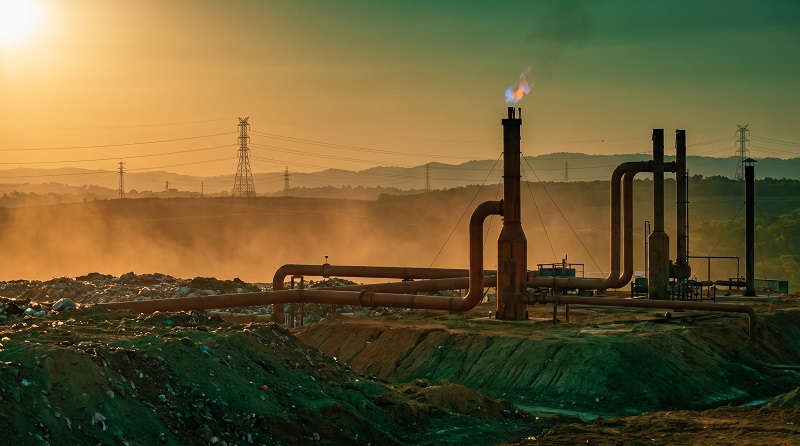
Methane is roughly 80 times more potent than CO₂ over 20 years. Capturing methane at landfills or from agricultural waste stops it from venting to the atmosphere. Burning it to generate electricity adds another benefit on top.
Community and energy-efficiency projects
Distributing efficient cookstoves in regions where open-fire cooking is common reduces both wood burning and deforestation. Clean water kits eliminate the need to boil water over fires. Credits are issued based on verified emissions prevented.

Renewable energy generation
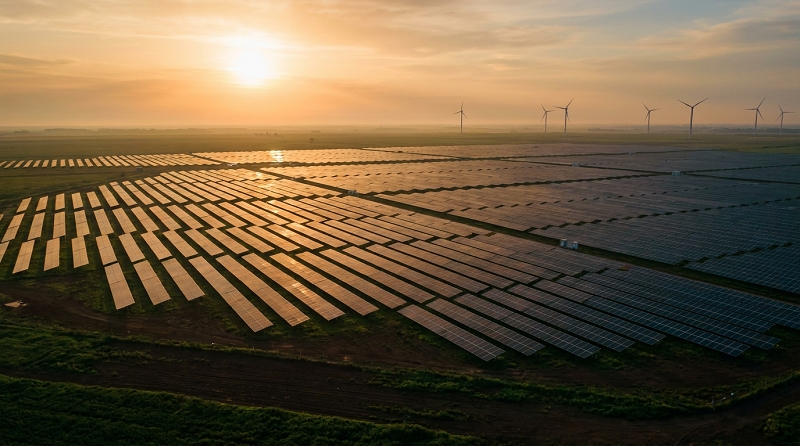
Building solar, wind, or geothermal capacity in regions that would otherwise rely on coal-heavy grids reduces emissions per kilowatt-hour generated. These projects are strongest in grids where the fossil fuel alternative is still dominant.
How can homeowners lower carbon emissions at home?
Buying offsets is an option. Reducing actual household emissions is more direct. Both paths exist.
Optimize thermostat settings: Adjusting heating and cooling by one or two degrees cuts energy load noticeably. Air conditioning accounts for up to 40% of household electricity use in Australian summers. Small habit changes here add up across a full year.
Improve home energy efficiency: Ceiling insulation, draught sealing around doors and windows, and upgrading to high energy star-rated appliances all reduce the amount of electricity needed to run the home each day.
Use smart energy management tools: A smart meter paired with a retailer monitoring app shows exactly when and where electricity is being used. Shifting high-draw tasks like dishwashers, washing machines, and pool pumps to midday or off-peak windows reduces both cost and carbon intensity.
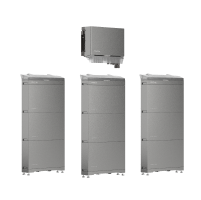
Invest in home battery backup solutions: Storing solar energy in a battery reduces evening grid imports and helps maximize the value of your solar generation. Modular solutions such as the EcoFlow PowerOcean Single-Phase Battery allow households to start with a smaller capacity and expand as energy needs grow. With scalable storage from 5 kWh to 45 kWh, up to 15 kW charging and discharging power, and backup capabilities during outages, the system supports greater energy independence while helping homeowners lower electricity costs and optimize renewable energy usage.

Schedule Your Free Consultation Today!
What kind of product or solution are you interested in?

Wrapping up
The concept of "what is a carbon offset" should be used as a tool, not a solution. Used well, it directs money toward genuine emissions reductions that would not otherwise happen. Used poorly, it gives organisations a way to avoid making real changes while claiming progress.
Australia's Climate Active framework captures the right sequence: measure, reduce, then offset only what genuinely cannot be eliminated yet. That order matters.
At the household level, the most direct path is reducing the carbon intensity of daily energy use. Battery storage, efficient appliances, and smart energy habits are all practical starting points that do not require purchasing any offsets at all.
For a personalised assessment of home solar and storage options, contact our professional energy consultants based on actual household usage and local grid conditions.
FAQs
Do carbon offsets actually work, or is it just greenwashing?
Both things are true. High-quality offsets with rigorous testing and permanent registry retirement represent genuine reductions. Low-quality credits do not. The label covers a wide range of quality. The project behind the credit is what matters.
What is the difference between carbon neutral and net zero?
Carbon neutral balances emissions against offsets regardless of whether actual reductions occurred. Net zero requires genuine cuts first, with offsets only for what remains. Net zero is the higher bar. Carbon neutral can technically be achieved by purchasing offsets alone.
How can I start offsetting my personal carbon footprint?
Start with a household emissions calculator. Cut what is practical: efficient appliances, less car use, a renewable energy plan. For what remains, buy from a verified source. ACCUs come through the Clean Energy Regulator. Gold Standard and Verra are internationally recognised. Always confirm credits have been retired, not just purchased.