Tariff Information Label Explained: How Australian Homeowners Can Understand Electricity Costs and Optimise Energy Use
A Tariff Information Label is a standard fact sheet provided by your energy retailer. It helps you understand key pricing details, including supply charges, usage rates, feed-in tariffs, and billing conditions. Compare them across providers and match the pricing details with your actual energy habits to find a plan that may offer better value.
In this guide, we break down how to read these labels step by step, make sense of complex tariff structures, get more from your solar, and use smart energy management to take control of your bills.
Key Takeaways
Unmask Advertised Discounts: Big percentage discounts often mask inflated base rates. Check the actual usage rate and supply charge on the label before comparing plans.
Structure Matters: Flat-rate plans give you predictability. Time-of-use tariffs reward households that shift heavy chores to off-peak hours.
Maximise Solar Investment: Feed-in tariffs have generally become less attractive in many Australian markets, so export credits may provide less value than before. Store your daytime surplus in a battery like the EcoFlow OCEAN 2 Plus Single Phase instead of buying expensive grid power at night.
Visibility is Key: Smart monitoring like the EcoFlow PowerInsight 2 gives you real-time usage data, making it easy to see which tariff actually works for you.
What Does a Tariff Information Label Show on Australian Electricity Plans?
Before you lock in a new plan, ignore the marketing spin and look at the actual numbers. Here’s what those fact sheets really tell you about your power deal.
How Tariff Information Labels Work in Australia
Electricity plan information is presented differently depending on the Australian jurisdiction and retailer. In the National Electricity Market, retailers provide standardised plan information under applicable energy retail rules, while Victoria operates under its own regulatory framework. When comparing plans, homeowners should use the official plan information provided for their location and check current rates, fees and conditions. Because the pricing is laid out on a uniform template, you can put Plan A next to Plan B and see straight through the headline-grabbing offers.
Key Electricity Pricing Details Explained on a Tariff Label
When you’re looking at a label, a few key figures will determine what you actually pay each quarter.
Usage charges are the cents per kWh you pay for the power you use. The rate depends on whether you’re on a flat, block, or time-based plan.
Supply charges are the daily connection fee. You pay that just to stay connected, no matter how much power you use.
Solar feed-in tariffs are the credits your retailer provides when you send excess solar energy back to the grid. For example, homeowners checking solar feed in tariff qld rates can use this information to understand whether exporting electricity or storing it for later use provides better value.
Controlled load tariffs are lower rates for specific appliances like hot water or pool pumps that run on a separate meter during off-peak hours.
Time-of-use pricing breaks the day into peak, shoulder, and off-peak periods. Rates change depending on grid demand.
Conditions and eligibility cover the fine print. Direct debit rules, paper bill fees, late payment penalties, and exit terms all live there.
| Tariff Information | What It Means | Why It Matters |
|---|---|---|
| Daily Supply Charge | Fixed daily fee charged by the retailer for maintaining your electricity connection. | Adds up continuously; impact is highest on low-usage homes. |
| Usage Charge (c/kWh) | Variable cost for actual power consumed. | Drives the vast majority of power bills for medium-to-large families. |
| Solar Feed-in Tariff | Rebate paid per kWh of solar energy exported. | Influences the financial return of solar systems that export excess electricity to the grid. |
| Time-of-Use Bands | Variable pricing depending on the hour of the day. | Allows flexible households to save by running loads during off-peak hours. |
Common Electricity Tariff Structures Across Australia
Electricity pricing in Australia varies depending on your state, network provider, and whether your home sits within the National Electricity Market (NEM). Ausgrid in NSW, Energex in QLD, CitiPower in VIC, they all have different offerings. But generally, you’ve got a few main structures. Single-rate gives you the same usage charge no matter when you use power. Time-of-use charges more in peak evening periods but offers cheaper rates overnight and during the middle of the day. Demand tariffs base your bill on the single highest power spike during the billing cycle. Alt: Ecoflow OCEAN 2 Plus single phase home battery

How Can Homeowners Use Tariff Information to Choose the Right Electricity Plan?
When comparing electricity plans, look at the rates, fees, and usage times that match your household’s daily energy use.
Electricity Costs Beyond Advertised Discounts
A “25% pay-on-time discount” sounds like a good deal, but if the base usage rate is high, you could still be paying more overall. The label shows the Reference Price, or the Victorian Default Offer equivalent, which gives you a benchmark. This helps you compare whether a plan offers better overall value rather than focusing only on advertised discounts.
Choosing Tariffs That Suit Household Energy Habits
Think about your household’s daily rhythm. Do people work from home, running the AC and washing during the day? Or is the place empty until 6 PM, when everyone’s back, the TV’s on, dinner’s cooking, and appliances are going all at once? If you’ve got daytime occupancy, lower daytime usage rates work in your favour. Pairing the right tariff with an EcoFlow Solar Battery can also help you store excess solar energy and reduce reliance on expensive peak electricity rates.
Peak and Off-Peak Pricing Considerations
Peak periods are usually late afternoon to evening, roughly 3 PM to 9 PM, when everyone’s using power. Off-peak periods vary between retailers and networks, but they are often scheduled during overnight hours or lower-demand periods. If you can shift things like dishwashers, pool pumps, and EV charging to those cheaper times, a time-of-use plan could save you a fair bit.
Why Does Solar Battery Storage Matter When Comparing Electricity Tariffs?
A lot of Aussie homes have rooftop solar to cut their power bills. For some households, combining solar with an appropriate tariff and battery storage can increase self-consumption and reduce exposure to higher grid electricity rates. That’s how you get the most out of your system.
Solar Energy Storage for Higher-Cost Electricity Periods
In many Australian markets, new solar customers may receive only a few cents per kWh for exported electricity, while grid electricity purchased during evening peaks can cost several times more, but buying that same power back at night? In some Australian electricity plans, peak usage rates can reach around 35c to 50c per kWh, depending on the retailer, location, and tariff structure.
Here’s the kicker: For many households, solar generation is highest around midday, while electricity demand may be lower during those hours. This can mean exporting solar at a relatively low feed-in tariff and later purchasing electricity from the grid at a higher retail rate.
A home battery can help address this mismatch between solar generation and household energy demand. The EcoFlow OCEAN 2 Plus Single Phase stores excess solar energy during the day, allowing homeowners to use more stored energy during higher-demand periods and reduce reliance on grid electricity. You can increase self-consumption, reduce grid purchases, and potentially lower electricity costs depending on your tariff and energy usage patterns.
Illustrative example: If exported solar earns 5c/kWh while electricity imported later costs 45c/kWh, using stored solar later may have a higher avoided-cost value than exporting it immediately. However, the actual benefit depends on battery efficiency, usable capacity, solar availability, household demand, tariff periods and the feed-in tariff that would otherwise have been earned.
Reduce Grid Dependence During Peak Pricing
Storing surplus solar can reduce the amount of grid electricity required during higher-priced evening periods. The extent of the reduction depends on battery capacity, state of charge, household demand and solar generation. Instead of pulling from the grid when rates are high, your home just runs off the battery. That smooths out your bill. Grid use drops to off-peak periods, or disappears entirely in the milder months.
Support Future Household Electricity Needs
Australian homes are going electric at a fast clip. Gas heating’s getting swapped for reverse-cycle systems, and petrol cars are making way for EVs. As household energy demand climbs, leaning entirely on the grid under ever-changing tariffs is starting to look risky. Putting money into expandable home storage means your place can handle growing loads without your bills turning into a guessing game. Understanding solar battery cost upfront can also help homeowners compare long-term savings against rising grid electricity prices.
How Can Smart Energy Management Improve Tariff Decisions?
The right tariff can help reduce costs, but how you use electricity each day matters just as much.
Understand Electricity Patterns Beyond Monthly Bills
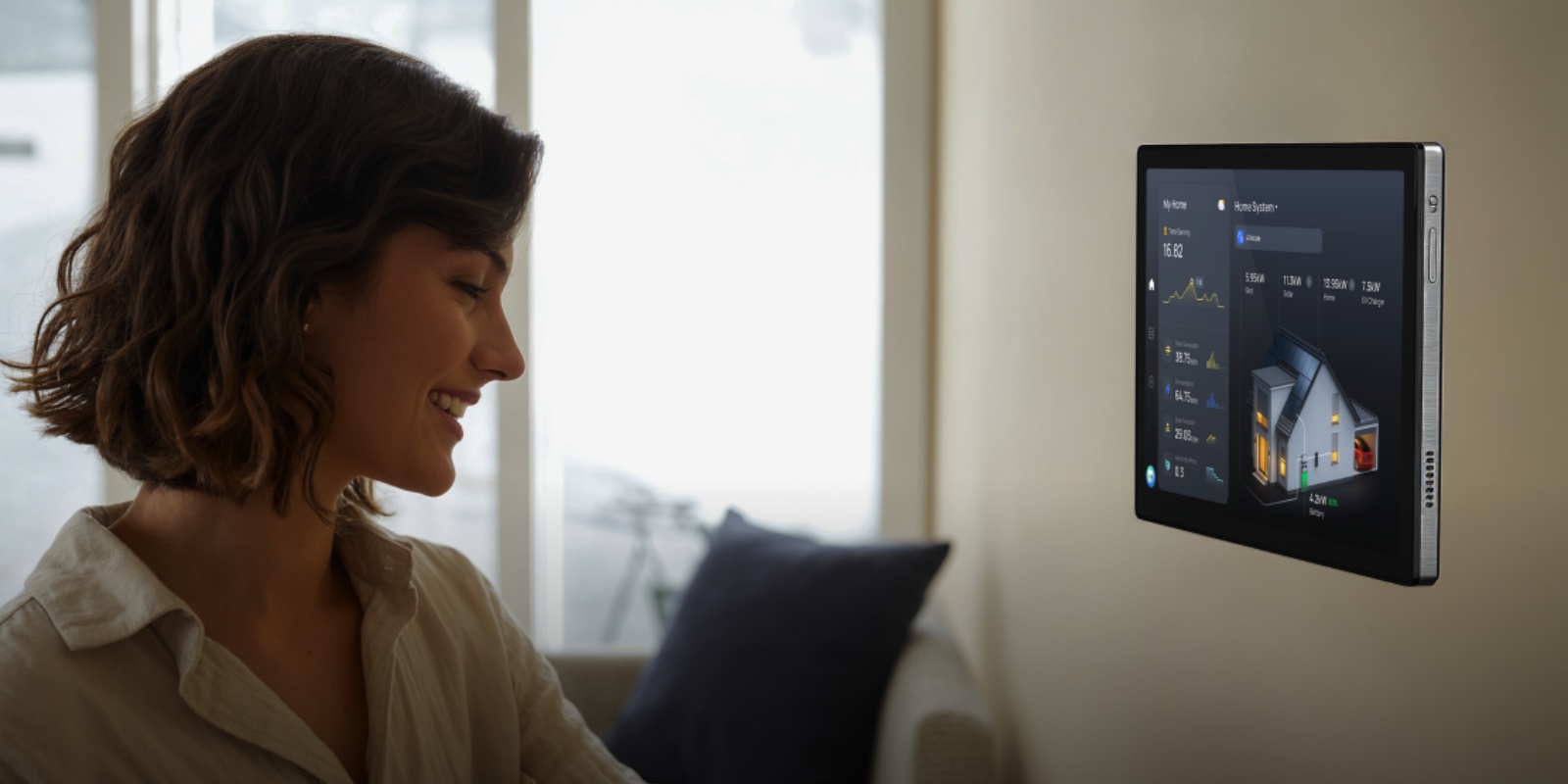
A quarterly bill tells you what you spent, but it doesn’t tell you when or how. Without better visibility into your actual habits, you’re just guessing whether a time-of-use plan or a flat rate is actually better for your place. A connected Home Energy Ecosystem can provide a clearer view of household energy patterns and support smarter tariff decisions.
Use Real-Time Energy Insights for Better Decisions
Real-time visibility helps households better understand their energy usage patterns. When you can see exactly what you’re generating, what’s in the battery, and what the house is drawing, you can adjust on the fly without overthinking it.
The EcoFlow PowerInsight 2 shows you live data on solar output, battery levels, and how much energy your home is using. With that info in front of you, it’s easy to shift your habits to match your tariff and make the most of your system.
Adapt Energy Strategies as Household Needs Change
Tariffs and habits never stay put. Retailers tweak their rates, seasons change your heating and cooling needs, and working from home shifts when and how you use power. Real-time monitoring lets you stay across all that. You can tweak your battery settings or switch retailers the moment a better deal shows up.
Schedule Your Free Consultation Today!
What kind of product or solution are you interested in?


Conclusion
Picking the right tariff is just the start. A solar battery lets you save the extra power your panels make during the day. Stored solar can then be used when household demand is higher or when grid electricity is more expensive, depending on the tariff. Combined with energy monitoring, this can help households increase solar self-consumption and manage grid use more effectively. Check out EcoFlow’s smart storage options. They’ll help you get more out of your solar and run your home more efficiently. Unsure if your home is ready for solar storage? Use EcoFlow’s Energy Savings Calculator today or explore the EcoFlow OCEAN 2 Plus Single Phase system.
Disclaimer: Electricity prices, feed-in tariffs, and potential savings vary by location, retailer, tariff structure, solar system size, battery capacity, and household energy usage. The examples in this article are for illustration purposes only and do not represent guaranteed savings.
FAQ
What does tariff mean on an electricity bill?
An electricity tariff is the set pricing structure that determines how your retailer charges you for power consumption and grid connection. It includes fixed daily fees as well as variable rates per kilowatt-hour of energy used.
How do I know what tariff I'm on?
Check the second page of your electricity bill or log into your retailer’s online portal. You can also ask your provider for the official Energy Fact Sheet for your plan.
Why is my electricity bill higher than expected?
A bill that’s higher than expected usually comes down to a few things: seasonal heating or cooling spikes, a discount that’s expired, or running too many appliances during peak hours. Have a look at your bill and check whether your usage rates have changed or if you’ve missed a conditional discount.
How do solar panels work with your electric bill?
Solar panels power your home directly during daylight hours to cut down on daytime grid usage, while exporting extra energy for bill credits. Any surplus power sent to the grid earns a feed-in tariff credit that offsets remaining usage and supply charges.
Is it worth selling power back to the grid?
Selling power back yields lower returns today due to reduced feed-in tariffs across most Australian states. For many households, storing surplus solar power for later use may provide greater value than exporting it, depending on battery costs, electricity rates, and available feed-in tariffs.