Solar Products for Home: A Guide to Solar Panels, Batteries and Inverters in Australia
Australian households have plenty of sunshine to work with, but installing solar involves more than choosing panels for the roof. You’ll also need to decide whether a battery makes sense for your home, what size inverter can handle your system, and how much of your solar power you can use yourself. Those choices matter because electricity costs, feed-in tariffs and grid connection limits vary across the country. This guide explains how panels, batteries and inverters work together, what to consider when sizing a system, and which local requirements to check before installation.
Key Takeaways
System components: Panels make DC electricity, the inverter turns it into AC, and a battery stores any surplus for later.
System size: A 6.6 kW array with a 5 kW inverter is a common starting point. Bigger households may need a battery they can expand later.
Grid rules: Your DNSP sets inverter and export limits, and these vary by location.
Use more of your own solar: Feed-in tariffs are generally lower than grid purchase rates, so using or storing your solar can offer greater value; the outcome depends on your electricity plan.
Rebates and installation: STCs and some state incentives can cut costs. Check product eligibility and go with an SAA-accredited installer.
What Solar Products Do Australian Homes Need?
A home solar system usually comes down to three main parts: panels that generate the power, an inverter that converts it for household use, and, if you want to store surplus power, a battery. Explore EcoFlow solar battery options when comparing a complete home setup.
Solar Panels for Home Electricity Generation
Rooftop PV panels do the heavy lifting when it comes to generating power for your property. These days, residential installs across Australia almost all use monocrystalline silicon panels, built with N-type TOPCon or heterojunction (HJT) cells that convert more of the sun’s energy, often hitting 21% to 22% efficiency. The panels soak up photons from the Australian sun and knock electrons loose, which sets up a direct current (DC) flow across your rooftop array.
Solar Batteries for Energy Storage
A home battery soaks up the extra power your panels make at midday instead of letting it flow back to the grid for next to nothing. These days, home storage mostly runs on lithium iron phosphate (LiFePO4 or LFP) chemistry, with operating temperature limits and cycle life that depend on the specific product and warranty. Bank those surplus kilowatt-hours and you can keep the lights, fridge and evening TV running well after sunset without paying peak-rate prices. Compare solar battery storage options against your evening electricity needs.
Solar Inverters for Electricity Conversion
Australian appliances, from the kitchen kettle to the ducted air con, run on 230V alternating current (AC), while solar panels and batteries run on direct current (DC). The inverter handles that conversion in real time, and at the same time it keeps an eye on grid safety settings, system sync, and maximum power point tracking (MPPT) across different roof planes.
How Does a Home Solar System Work?
The system follows the sun through the day. Panels make the power, the inverter turns it into something your home can use, and whatever’s left over can charge a battery or go back to the grid.
Solar Panels Generate DC Electricity
Sunlight hits the semi-conductive silicon wafers inside your panels, gets the electrons excited, and that creates an electrical charge. The power leaves the rooftop array as variable DC electricity. Because panels put out power in proportion to how strong the sunlight is, output generally rises towards midday and falls later in the day, with timing affected by roof orientation, shade and weather.
Inverters Convert DC to AC Electricity
The raw DC power travels down heavy-duty, UV-rated DC cables into your inverter. There, high-frequency switching circuits turn that variable DC into clean, stable 230V AC power, locked precisely to Australia’s 50 Hz grid frequency. If you’ve got a hybrid inverter, it sends DC power straight into your battery bank first, skipping the unnecessary DC-to-AC conversion step and cutting the energy lost in round trips.
Excess Electricity Is Stored in a Battery or Exported to the Grid
Once the inverter has fed your running appliances, any power left over goes one of three ways:
Charging the battery: If your home battery has room, the inverter pushes the surplus solar into the cells until they’re full.
Exporting to the grid: Once the battery hits 100% and the house is taken care of, the rest flows through your bi-directional smart meter out to the local grid, earning a small feed-in credit on your quarterly bill.
Discharging in the evening: When daylight fades, the battery sends stored energy back through the inverter to run the house, reducing grid purchases while stored energy and battery output are sufficient.

How Do You Choose the Right Solar Products for Your Home?
Your roof, electricity use and plans for an EV or air conditioning all affect which system will suit your home. Consider these factors before choosing your panels, battery and inverter.
Assess Roof Space and Sunlight Exposure Before Choosing Solar Panels
Roof orientation and shading affect how much electricity your panels can generate. North-facing panels usually produce the most over the year, while east- and west-facing panels can better match morning and afternoon use. Ask your installer to check shade, available roof space and AS/NZS 5033 requirements.
Size Your Solar Panel System Based on Household Electricity Consumption
Check your electricity bills to estimate daily use and choose a panel system that fits your household. Homes with heat pumps, pools or EVs may need a larger array. A 6.6kW solar system is one option to assess against your daily consumption and available roof space.
| Household profile | Daily use | Panel array | Inverter |
|---|---|---|---|
| Small home or unit (1–2 people) | 10–14 kWh | 5.0–6.6 kW | 5.0 kW single-phase |
| Average family home (3–4 people) | 16–22 kWh | 6.6–8.8 kW | 5.0–6.0 kW single-phase |
| High use (ducted AC, pool, EV) | 28–45+ kWh | 10.0–13.3 kW | 8.0–10.0 kW |
| Large rural or multi-generational home | 50+ kWh | 15.0–24.0+ kW | 10.0–15.0 kW three-phase |
Choose Battery Capacity Based on Household Energy Needs
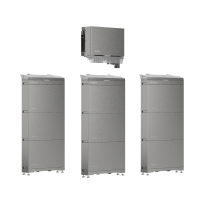
When sizing a battery, consider how much power your household uses after sunset, especially on hot summer evenings or cold winter nights. Leave room for future changes too: adding an EV, induction cooktop or ducted air conditioning can increase demand. A modular system can grow with your household, so you don’t have to buy all the storage upfront. The EcoFlow OCEAN 2 Plus Single Phase supports up to 96 kWh of battery capacity and accepts both new and existing battery modules, giving households a way to expand storage as their needs change. Its three MPPT trackers also help manage solar panels across roof sections with different orientations, such as east- and west-facing panels, making it easier to pair storage with a varied roof layout.
Select an Inverter Based on Solar System Size and Electrical Configuration
Your grid connection and DNSP rules affect the inverter size you can install. A common setup pairs a 5 kW inverter with a 6.6 kW panel array, while three-phase homes may support larger systems. Check local limits with your installer.

How Can You Get the Most Out of Your Home Solar Products?
A solar system can still draw power from the grid if your appliances run after the sun goes down. A few changes to when you use electricity—and how you manage your battery—can help you use more of the power your panels generate.
Monitor Solar Generation and Household Energy Consumption
Checking solar output alongside household use and battery levels can show when you’re importing power or sending surplus to the grid. A home energy display brings those readings together, making it easier to spot standby loads and decide when to run appliances. The EcoFlow PowerInsight 2 uses an 11-inch touchscreen to show solar generation, household consumption and battery charging or discharging in one place. That makes it easier to see when your home is using more power than your panels produce, or when there’s surplus solar available for appliances. With a clearer view of those patterns, you can adjust appliance schedules and battery settings based on how your household actually uses energy.
Shift Household Electricity Use to Peak Solar Generation Hours
Run your appliances while the panels are producing and you’ll export less, then buy less back from the grid later. Try lining up the dishwasher and laundry for sunny hours, running pool gear during the day, or pre-cooling and pre-heating the house before evening.
Optimize Battery Charging and Discharging Around Electricity Tariffs
If you’re on a time-of-use tariff, find out when your peak and off-peak rates kick in. You can set your battery to hold stored solar for the pricier evening hours. In winter, when solar output drops, charging from the grid overnight can pay off too, depending on your tariff and battery settings. When assessing payback, compare solar battery cost with the savings possible under your own electricity plan.
Schedule Your Free Consultation Today!
What kind of product or solution are you interested in?
Conclusion
Choosing solar panels, an inverter and a battery starts with understanding how your household uses electricity. Check your roof, daily consumption and local network requirements, then ask an SAA-accredited installer to recommend a system that fits. Once it’s running, monitoring your energy use and making the most of sunny hours can help you get more value from the power you generate.
FAQs
How Much Can You Save with Solar Panels?
Annual solar savings vary by household and electricity plan; a site-specific estimate is more useful than a single national savings range. How much you actually save comes down to your total panel capacity, your local retail tariff, how much you use during the day, and whether you add a battery to skip those expensive evening peak purchases.
What Is the Biggest Disadvantage of Solar Panels?
The biggest downside is that panels need daylight. They make nothing overnight, and output drops off sharply when it’s heavily overcast or raining. Peak generation lands at midday, but peak household demand lands in the evening, and that mismatch often leaves homes buying expensive grid power unless they’ve got battery storage.
Is It Worth Getting a Battery with Solar Panels in Australia?
A battery may be worthwhile if its installed cost and operating settings suit your household. Compare current incentives, your feed-in tariff, grid purchase rates, battery losses and usable capacity. Storing surplus solar can reduce evening grid purchases, but savings and payback vary.
Will Solar Panels Work During a Power Outage?
Standard grid-tied systems shut down automatically during a blackout, so live power doesn’t feed back into the street and put emergency utility workers at risk. But if you’ve got an islanding-capable hybrid inverter and a solar battery with Emergency Power Supply (EPS) or an automatic transfer switch (ATS), the system can disconnect from the grid instantly and keep powering designated circuits in the home.
What Happens if You Never Clean Your Solar Panels?
Let dust, bird droppings, sea salt, tree sap and ash build up on your panels and overall generation can fall over time. Standard Australian rainfall washes light dust off angled roofs, but stubborn grime left to sit can create localised hot spots that risk degrading the photovoltaic cells underneath prematurely.