Solar Panels Melbourne: 2026 Prices, Rebates and Installation Guide
Melbourne gets an annual average of around 3.6 to 4 peak sun hours a day (derived from Bureau of Meteorology solar exposure data). In technical terms, a peak sun hour measures normalized solar radiation equivalent to 1,000 W/m² per hour, rather than visible daylight hours. While panels produce electricity throughout the entire day, varying from around 2.2 hours in June to over 5.5 hours in January, this annual daily average provides the baseline for system sizing.
Key Takeaways
Net setup costs: A standard 6.6 kW system generally costs between $4,000 and $6,500 installed after federal incentives, dropping to as little as $2,600 to $5,100 for households that qualify for state support.
Rebate criteria: Victoria’s Solar Homes program offers an upfront discount of up to $1,400, with an optional interest-free loan to match.
Self-consumption is king: Victoria’s daytime feed-in tariffs (FiT) stay low, so financial payback now hinges almost entirely on using solar electricity live in the home or storing it for peak evening rates.
Smart sizing and batteries: Households adding electric heat pumps or planning for EV charging are increasingly sizing up to 10 kW–13.2 kW systems paired with dedicated battery storage to sidestep grid peak tariffs.
Regulatory compliance: Grid pre-approval, Solar Accreditation Australia (SAA) accredited installers and Certificates of Electrical Safety (CES) are mandatory to keep the system safe and unlock government incentives.
How Much Do Solar Panels Cost in Melbourne in 2026?
The price of a solar system depends on its size, the equipment you choose and what your roof needs. These typical prices can help you compare quotes, but an installer’s site assessment will determine the final cost. If you are also budgeting for storage, compare solar battery cost alongside the panel quote.
Average Solar Panel Prices by System Size
Most Melbourne quotes display prices with the federal Small-scale Technology Certificates (STCs) already discounted at the point of sale. The figures below reflect typical turnkey pricing for tier-one equipment across greater Melbourne:
| System Size | Number of Panels (approx.) | Out-of-Pocket Cost (Post-Federal STC) | Net Cost with Solar Victoria Rebate ($1,400 off) | Typical Daily Generation (Annual Avg.) | Best Suited For |
|---|---|---|---|---|---|
| 6.6 kW | 15–16 | $3,999 – $6,500 | $2,599 – $5,100 | ~24 – 28 kWh | Units, townhouses, couples, or modest day-use homes |
| 10 kW | 22–24 | $5,999 – $9,500 | $4,599 – $8,100 | ~38 – 45 kWh | 4+ person families, ducted reverse-cycle heating, EVs |
| 13.2 kW | 30–32 | $6,999 – $12,500 | $5,599 – $11,100 | ~50 – 58 kWh | High power users, all-electric homes, battery pairing |
Extra Costs to Consider Before Installing Solar Panels
Rooftop quotes can creep upward once an installer sets foot on-site. Heritage terracotta tiles in older suburbs like Brunswick or Camberwell often crack easily and require specialized tile brackets, adding $300 to $600 to installation labour. Steep double-storey homes routinely demand perimeter edge protection and scaffolding to comply with WorkSafe Victoria standards ($500 to $1,500). Furthermore, older switchboards running ceramic fuses cannot handle modern solar inverters; a comprehensive switchboard upgrade to include modern RCDs, smart metering, and bi-directional isolators usually ranges from $800 to $1,800.
What Solar Rebates and Incentives Are Available in Victoria in 2026?
Victorian households may be eligible for a Solar Homes rebate and a federal STC discount. Both can lower the upfront cost, but the state rebate has eligibility rules and requires pre-approval before you sign an installation contract.
Victorian Solar Panel (PV) Rebate
Solar Victoria’s Solar Homes program offers eligible owner-occupiers a rebate of up to $1,400, with an optional interest-free loan of up to $1,400, repayable over four years. To qualify, the household’s combined taxable income must be below $150,000 (tightened from $210,000 under Solar Victoria’s revised FY2026/27 guidelines effective 1 July 2026), the property must be valued under $3 million, the property address must not have previously received a Solar Victoria PV or battery rebate, and it must not have had a PV system installed in the last 10 years (subject to program exemptions). Apply for and receive formal pre-approval before signing an installation contract or paying a deposit.
Federal Small-scale Technology Certificates (STCs) for Solar PV Systems
The federal Small-scale Renewable Energy Scheme provides STCs based on a solar system’s expected generation, with the number of certificates also depending on its location and installation date. A registered retailer usually applies the STC value as an upfront discount on the invoice. For a typical 6.6 kW system, this can reduce the price by around $1,500 to $2,200; the scheme is scheduled to phase out at the end of 2030.
Rebate | Amount | Eligibility and conditions | Best for |
Victorian Solar Panel Rebate | Up to $1,400 rebate Optional interest-free loan up to $1,400 | • Owner-occupier • Household taxable income under $150,000 • Property value under $3 million • No previous solar panel rebate • Solar Victoria pre-approval before signing | Homeowners who meet the income and property criteria and want to reduce upfront costs |
Federal STC discount | Around 1,500–2,200 off a typical 6.6 kW system | • Discount depends on system size, location and installation date • Usually applied by the retailer at checkout • Scheme scheduled to phase out at the end of 2030 | Homeowners installing an eligible rooftop solar system |

How Do You Choose the Best Solar Panels for Your Melbourne Home?
Choose a system that fits your electricity use, roof space and future plans, such as adding a heat pump or EV. Compare system size, panel type, inverter and warranty before choosing a quote Planning solar battery storage at this stage can help align array size with evening demand.
Choosing the Right Solar System Size for Your Household
A 6.6 kW array paired with a 5 kW inverter is a common starting point for Melbourne homes. Larger households running heat pumps, pool pumps or several air conditioners may need a 10 kW or 13.2 kW array to cover daytime use and still leave power for a battery. Our guide to a 6.6kW solar system explains how rated capacity differs from daily generation.
Comparing Solar Panel Types and Efficiency
Most residential panels use monocrystalline silicon, and different cell technologies affect efficiency, performance and price:
N-type TOPCon: Typically 21.5%–22.8% efficient and performs well in lower light.
HJT: Combines crystalline and amorphous silicon for high efficiency and strong performance in heat, usually at a higher price.
Monocrystalline PERC: A reliable, often lower-cost option, though newer TOPCon panels can deliver more output for similar money.
Selecting a Suitable Solar Inverter for Your System
A string inverter is a cost-effective choice for a roof with little shade and panels facing similar directions. If trees shade part of the roof or panels face different directions, DC optimisers or microinverters help limit the impact on the other panels.
Evaluating Solar Panel Quality, Degradation Rates and Warranties
Check the product and performance warranties separately. Look for a product warranty of at least 15 years, clear information on how much output the panels are expected to lose over time, and an Australian contact for warranty support.
What Should You Know Before Installing Solar Panels in Melbourne?
Before accepting a quote, check the roof, switchboard and local grid requirements. Taking care of repairs and approvals early can help avoid delays or extra work during installation.
Assessing Roof Orientation, Angle and Shading
Facing your panels true North generates the highest overall volume of kilowatt-hours across an entire calendar year. That said, a split East-West configuration often delivers higher self-consumption value for busy Victorian families.
East-facing arrays ramp up output early to handle breakfast meal prep, kettles, and heating, while West-facing panels maintain strong output late into the afternoon to power split-system air conditioning right through the late daylight hours. In Melbourne (latitude ~37.8°S), a pitch angle between 25° and 35° delivers an ideal year-round tilt, though standard residential pitches of 18° to 22° function perfectly without the need for expensive tilt frames.
Checking Roof Condition, Structural Capacity and Electrical Readiness
Solar systems are engineered to last 25 years, meaning your roofing material needs to match that longevity. If your concrete tiles show signs of crumbling mortar and need re-pointing, or your Colorbond roof has sheet rust, complete those repairs before panels are installed. Removing and reinstalling an operational solar array to fix a leaky valley can cost thousands. Additionally, check that your main switchboard has room for a solar main switch, export limit meters, and modern circuit breakers.
Understanding Victorian Solar Installation and Grid Connection Requirements
Every grid-tied solar system in Victoria has to be approved by your local Distribution Network Service Provider (DNSP) — CitiPower, Powercor, United Energy, AusNet Services or Jemena, depending on which Melbourne suburb you call home.
Single-phase systems: Most Melbourne DNSPs cap grid export at 5 kW per phase, but allow total inverter capacities of up to 8 kW or 10 kW on single-phase connections when you have an export-limiting smart meter. That lets households install larger arrays, such as 10 kW, to power daytime loads or charge a battery without breaching feed-in limits.
Pre-approval applications: Your installer must submit a grid connection request and get pre-approval before work starts.
Post-installation paperwork: Once the system is commissioned, an independent licensed electrical inspector (LEI) must inspect the installation, sign off the work and issue a Certificate of Electrical Safety (CES) before your distribution company reconfigures your smart meter.
Choosing a Qualified Solar Installer in Melbourne
Under Solar Victoria and Clean Energy Regulator rules, your system designer and installer must hold current Solar Accreditation Australia (SAA) accreditation, and your solar retailer must be a certified NETCC (New Energy Tech Consumer Code) Approved Seller. Also check that every proposed solar module and inverter appears on the Clean Energy Council (CEC) Approved Products List. Always insist on quotes that name the exact panel brand, model number, inverter model and mounting system, rather than vague “tier-one 440W panels.” Ask how long the company has been operating in Victoria, whether they use in-house electricians or sub-contractors, and make sure they offer a comprehensive workmanship warranty of at least 5 years covering roof leaks and electrical faults.

How Can You Maximise the Benefits of Solar Panels in Melbourne?
Solar savings depend on how much of your panels’ output you use at home. A few changes to appliance schedules, your electricity tariff and system monitoring can help you make better use of that power. A home energy ecosystem can coordinate compatible generation, storage and household loads.
Shift Household Energy Use to Daylight Hours
Grid electricity costs around 26¢ to 38¢ per kWh, while exported solar often earns much less. Run dishwashers, washing machines and pool pumps during the day, ideally between 10:00 AM and 2:00 PM. If you have an electric heat-pump hot water system, set it to heat during peak solar hours.
Optimise Electricity Costs with Time-of-Use and Feed-in Tariffs
Victorian feed-in tariffs vary by retailer and plan; since 1 July 2025 there has been no regulated minimum payment above zero. A time-of-use tariff may help if you can use solar during the day and limit grid use during weekday evening peaks, commonly between 3:00 PM and 9:00 PM. Compare the tariff’s rates and peak hours with your household’s routine before switching.
Store Excess Solar Generation with a Home Battery
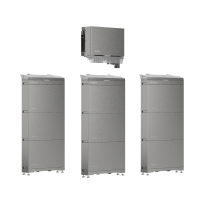
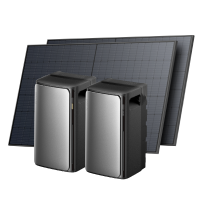
At midday, Melbourne solar panels can produce more electricity than a household needs. A battery stores that surplus instead of sending it to the grid for a low feed-in tariff, then supplies the stored power after sunset when the panels stop generating. This lets you use more of your own solar electricity in the evening, buy less from your retailer and potentially lower your bills. For households chasing extensive solar self-consumption, modular home battery systems like the EcoFlow OCEAN 2 Plus Single Phase offer storage with 3 independent MPPTs for roofs with different orientations. Stored solar energy can then help cover evening household demand.
Monitor Solar System Performance and Identify Efficiency Issues
Solar output changes with the weather and seasons, so checking generation and household use can help you spot problems and decide when to run appliances. If you have compatible EcoFlow energy equipment, the EcoFlow PowerInsight 2 displays your home’s energy use on an 11-inch touchscreen, helping you see how much solar power you use and when you draw electricity from the grid. With that information, you can adjust appliance schedules to increase self-consumption and make better use of the energy your panels generate.
Schedule Your Free Consultation Today!
What kind of product or solution are you interested in?
Conclusion
Solar can still lower electricity costs for Melbourne households, especially when the system matches their daytime energy use. Before choosing an installer, compare the full quote, confirm rebate eligibility and check your local network requirements. If you’re planning to add a battery or switch to electric appliances later, factor those needs into your system size now.
FAQs
Are solar panels worth it in Melbourne?
Yes, rooftop solar is still well worth it for the vast majority of Melbourne homeowners, typically paying for itself within 3 to 6 years depending on how much power you use yourself and whether you qualify for upfront rebates. Even in cloudy weather, modern high-efficiency panels generate useful power that offsets high retail electricity tariffs.
How much can you save with solar panels?
A well-designed 6.6 kW solar system in Melbourne typically saves a household between $800 and $1,500 a year on electricity bills. What you actually save depends heavily on how much of the solar energy you use directly at home rather than export to the grid at wholesale-pegged rates.
Can I get the solar rebate and the battery discount together?
Yes. Solar Victoria permanently closed its state-level battery loan program in May 2025, but Victorian households can now combine the Solar Victoria PV rebate (up to $1,400) with the federal Cheaper Home Batteries Program. Under this federal scheme, qualifying battery installations get upfront point-of-sale discounts through Small-scale Technology Certificates (STCs), which substantially cuts hardware costs on top of your rooftop solar incentives.
Do solar panels work on cloudy days?
Yes, solar panels keep generating on overcast and drizzly Melbourne days, producing roughly 10% to 25% of their rated capacity. Panels run on ambient light and ultraviolet radiation rather than direct heat, so generation stays active even under heavy cloud.
Do solar panels and home batteries increase property value in Melbourne?
Yes. Australian real estate research backs this up: energy-efficient homes with established rooftop solar and low running costs fetch a noticeable premium from buyers. Prospective buyers see the immediate benefit of lower utility bills and will pay more for a home with quality, fully warranted renewable infrastructure already in place.