Solar Panels Brisbane: Costs, Installation and Best Options for Your Home
Brisbane certainly earns its Sunshine State reputation, clocking over 280 sunny days each year. Harnessing that rooftop sunshine is one of the smartest ways to slash soaring retail power bills across South East Queensland. This guide breaks down typical upfront solar costs in 2026, key performance factors on subtropical roofs, practical system sizing, the local Energex grid approval process, and strategies to get the fastest possible payback on your investment.
Key Takeaways
Upfront costs: A fully installed 6.6 kW system in Brisbane typically costs $6,756-$8,020 after the federal STC discount.
Sunshine and summer heat: Brisbane gets about 5.2 peak sun hours a day. Hot roof temperatures can reduce panel output, so check the panels’ temperature coefficient when comparing options.
Export rates: SEQ feed-in tariffs are set by retailers and vary by plan; there is no mandated market rate. Using more solar power at home can be worth more than exporting it.
Energex connection: Single-phase homes may be approved for up to 10 kVA of inverter capacity, though exports are generally capped at 5 kVA unless managed under an approved network arrangement.
How Much Do Solar Panels Cost in Brisbane?
The system price depends on its size and equipment, as well as any work needed before installation. The table below gives typical installed costs after the federal STC rebate.
Average Solar Panel Installation Costs by System Size
The actual out-of-pocket price you pay reflects the total equipment and labour cost minus the point-of-sale federal STC rebate applied directly by your installer. Quality tiers, warranties, and inverter technology account for price ranges within each tier.
| System Size | Typical Panel Count (440W Panels) | Estimated Net Cost (AUD) | Ideal Household Profile |
|---|---|---|---|
| 6.6 kW | 15 panels | $6,756 – $8,020 | Small to medium households with 2–3 occupants and moderate daytime electricity use |
| 8 kW | 19 panels | $7,983 – $9,527 | Medium households with 3–4 occupants and regular use of air conditioning and other appliances |
| 10 kW | 23 panels | $9,810 – $11,700 | Medium to large households with 4–5 occupants, higher electricity consumption and daytime appliance use |
| 20 kW | 46 panels | $18,659 – $22,254 | Large households with 5+ occupants, swimming pools, electric vehicles or high electricity demand |
Additional Costs to Consider Before Installing Solar Panels
Rooftop quotes can creep upward if your switchboard or roof requires remediation before trades start laying racking.
Switchboard Upgrades: Older Brisbane homes—particularly classic Queenslanders with dated ceramic fuses—frequently require a modern switchboard and safety switch upgrade, adding roughly $800 to $1,800.
Roof Material and Access: Steep pitches, fragile terracotta tiles, or multi-storey homes requiring extensive scaffolding naturally add to labour expenses compared to straightforward single-storey Colorbond roofs.
Smart Meter Installations: If your existing property still runs an older mechanical disc meter, your energy retailer may charge an administrative and metering installation fee to swap to a compliant bi-directional digital meter.
What Factors Affect Solar Panel Performance in Brisbane?
Brisbane gets plenty of sun, but a roof’s layout, shade and summer conditions all shape how much electricity a system produces. Check these factors when comparing quotes.
Roof Orientation, Tilt and Available Installation Space
True north remains the benchmark orientation for maximum overall yearly yield. However, facing a split string of panels toward the west can be exceptionally beneficial for households where everyone returns home after 3:30 PM, as it captures late afternoon sun to power air conditioners right when peak retail tariff rates kick in. A roof pitch between 20° and 30° aligns well with Brisbane’s latitude, ensuring natural rainwater run-off keeps glass surfaces free of accumulated dust.
High Temperatures, Cloud Cover and Seasonal Weather
Solar panels run on light, not heat. On sweltering 34°C January afternoons, dark rooftop panels can easily exceed 65°C, causing solar cell efficiency to dip due to their inherent temperature coefficient. Choosing panels engineered with a low thermal coefficient ensures generation stays resilient through humid summer scorchers. Furthermore, sudden subtropical afternoon summer storms and monsoon clouds temporarily drop generation, making oversized PV arrays valuable for pulling adequate power through diffuse light.
Roof Shading and Surrounding Trees
A single towering eucalyptus casting shade across one or two panels can pull down the performance of an entire string on a basic string inverter. If mature trees or nearby second-storey gables cast unavoidable shadows throughout parts of the morning or afternoon, designing the system across multiple MPPT trackers or integrating microinverters prevents partial shade from choking total array output.

What Is the Best Solar Panel System for Your Brisbane Home?
Your roof space and power use are a good starting point. It also helps to think about future changes, such as adding a battery, buying an EV or running air conditioning more often. Planning solar battery storage alongside your panels can help you assess how much daytime surplus may be available for evening use.
Choosing the Right Solar System Size for Your Household
A 6.6 kW solar system paired with a 5 kW inverter has long been the standard benchmark for Queensland homes because it maximises the single-phase Energex export limit while claiming generous STC incentives. However, families running ducted cooling through sweltering Brisbane summers, heating a backyard pool, or considering an electric vehicle typically benefit from stepping up to an 8.8 kW or 10 kW PV array to ensure ample excess power during daylight hours. Our 6.6kW solar system guide explains rated capacity, inverter pairing and the factors that affect daily generation.
Comparing Solar Panel Types and Efficiency
Monocrystalline half-cut cell panels, particularly those utilising N-type TOPCon or heterojunction (HJT) cell architectures, dominate modern Australian residential installations. Their superior efficiency—often exceeding 21% to 22%—enables installers to generate more power from compact roof sections. They also resist light-induced degradation much better than obsolete polycrystalline panels, delivering stronger performance guarantees over their 25-year operational warranties.
Choosing a Compatible Solar Inverter
Your inverter serves as the operational brain of the entire solar setup, translating direct current (DC) harvested on the roof into alternating current (AC) for household appliances. Matching the inverter’s phase configuration (single-phase versus three-phase) and MPPT tracker count to your roof layout avoids clipping and bottlenecks. High-efficiency hybrid inverters are increasingly favoured across Brisbane because they manage both rooftop panels and home batteries within a single enclosure. If you plan to add the EcoFlow solar battery, ask your installer whether it can work with your existing inverter or needs a different setup.
Evaluating Whether a Home Battery Is Right for Your System
With feed-in tariffs continuing to soften across Queensland, storing your self-generated solar electricity directly on-site provides greater financial certainty than relying on grid credits. If your household’s heaviest consumption happens early in the morning and well past sunset, adding storage shields you from paying 30c+ per kWh for evening grid electricity.
What Is the Solar Panel Installation Process in Brisbane?
The process starts with a roof and energy assessment, then moves through installer selection, Energex approval and final testing. Ask your installer what they handle at each step and when your system can be switched on.
Assessing Your Roof and Household Energy Needs
The installer will check your roof, switchboard and recent electricity bills before recommending a system. They’ll also look for shade and decide where the panels, mounting gear and cables can go.
Comparing Quotes and Choosing an Accredited Solar Installer
Ask for a written quote that names the panels and inverter, lists the warranty terms, and shows the price after the STC discount. Check that the installer and system design meet the current accreditation requirements for the rebate, and ask who will handle the paperwork.
Obtaining Solar Grid Connection Approval From Energex
Before a single panel is screwed onto your roof, your installer submits an electrical grid connection application to Energex, the distribution network service provider covering South East Queensland. Energex assesses the local transformer capacity:
Single-phase connection: Energex may allow up to 10 kVA of inverter capacity per phase. Basic connections may permit exports up to 5 kW, subject to network approval; some connections can adjust export in real time to suit local network capacity.
Three-phase connection: The permitted inverter capacity varies with the local network. Check the limit for your property with Energex or your installer.
Metering, System Testing and System Activation
After installation, the electrician tests the system, commissions the inverter and provides the required electrical safety certificate. Your retailer may also need to update the meter so it can record electricity flowing both to and from the grid. Once these steps are complete, the system can be switched on.

How Can You Maximise the Benefits of Solar Panels in Brisbane?
The more solar power you use at home, the less you may need to buy from the grid. A few changes to your daily routine can help you use more of the electricity your panels produce.
Maximising Solar Self-Consumption Through Daytime Energy Use
Every kilowatt-hour of solar electricity consumed directly inside your home saves you between 28c and 35c compared to buying it from your energy retailer. Shifting energy-intensive chores into the sunniest hours—running pool chlorinators, scheduling washing machines, and pre-cooling living spaces between 10:00 AM and 2:00 PM—drastically improves your monthly bill savings.
Making the Most of Solar Feed-in Tariffs in South East Queensland
Because deregulated energy retailers in SEQ set their own voluntary feed-in tariffs, rates vary by plan and there is no mandated market rate. It pays to review retailer offers regularly: some plans feature an enticing feed-in tariff but compensate with inflated daily supply charges or high evening consumption rates. Always calculate the net quarterly outcome based on your household’s actual consumption patterns. A solar feed in tariff qld guide can help you compare exporting surplus energy with storing it for evening use.
Using Home Battery Storage to Store Excess Solar Energy
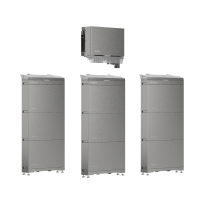
If your household is out during the day, some of your solar generation may go unused at home and be exported for a low feed-in tariff. A battery can store some of that surplus for use in the evening, when household demand often rises. When exploring battery options, the EcoFlow OCEAN 2 Plus Single Phase stands out by unifying solar inverter technology and modular residential energy storage. It features 3 independent MPPT trackers, providing excellent flexibility to balance split roof sections, varying orientations, or intermittent tree shade across your roofline. Moreover, with support for up to 24 kW of DC PV input power, it allows large-scale rooftop arrays to route surplus generation directly into modular battery storage via DC fast-charging—maximizing clean self-consumption without breaching Energex’s single-phase AC export limits.
Monitoring and Optimising Household Energy Consumption
Brisbane’s air conditioning and pool pumps can push electricity use up during summer. Tracking when your solar system generates power and when your household uses it can help you choose better times to run appliances. Hardware like the EcoFlow PowerInsight 2 offers an 11-inch touchscreen display that acts as an accessible home energy hub. By presenting real-time solar generation, household usage, and battery charge status in one place, it lets you schedule appliances during peak solar production, lift self-consumption rates, and manage your electricity expenses with precision.
Schedule Your Free Consultation Today!
What kind of product or solution are you interested in?
Conclusion
A Brisbane solar system works best when its size and layout match your household’s roof and daily power use. Before you sign a quote, compare the installed price, check what Energex approval your setup needs, and see whether you can run more appliances during daylight hours. If you’re considering a battery, compare the cost with what you currently earn from exports and spend after sunset.
FAQs
Do Solar Panels Increase Home Insurance Costs?
They may not change your premium, but check with your insurer before installation. Ask whether your policy covers the panels and whether you need to increase your building sum insured to cover replacement costs.
Will Solar Panels Work During a Blackout?
Most grid-connected systems shut down during an outage for safety. To run appliances while the grid is down, you’ll need a system with backup capability, such as a compatible inverter and battery. Check which circuits it can power.
How Much Can You Save with Solar Panels in Brisbane?
A 6.6 kW system may save a Brisbane household around 1,200–2,200 a year. Your actual savings depend on your electricity rates and how much solar power you use at home. Running a pool pump or air conditioner during the day can help you use more of your own generation.
How Long Do Solar Panels Last in Australia?
Solar panels commonly come with a 25-year performance warranty, and many continue producing electricity beyond that. Check the warranty for the specific panel: it sets out the expected output over time and what the manufacturer covers.
Should You Replace Your Roof Before Installing Solar Panels?
If your roof leaks, has brittle tiles or shows signs of rust, get it checked before installing panels. Repairs are easier to arrange before the solar system is mounted, since roof work later may require removing and reinstalling the panels.