Residential Solar Battery Systems: Building a Future-Ready Home Energy Solution
A future-ready home battery is one that can expand as your needs grow. It uses a modular design, allowing you to add capacity when required rather than upfront. It stores daytime solar for evening use, manages the additional load from EVs and heat pumps, and—if configured accordingly—can keep essential circuits running during blackouts. Choosing a system that can adapt over time helps avoid the need for a full replacement in just a few years.
Key Takeaways
Electrification is driving demand. As more homes add EVs, heat pumps, and induction cooktops, household electricity use climbs.
Feed-in tariffs are shrinking. Export rates are now much lower than retail prices, so storing your solar makes more sense than selling it for a few cents.
Modularity prevents stranded assets. A modular battery system can allow homeowners to start with a smaller capacity and add storage later as their needs grow, subject to the system's expansion limits, compatibility, and installation requirements.
Smart automation beats manual switching. Platforms like PowerInsight 2 and Matter integration automate your energy use, shifting EV charging and heavy appliances to solar hours or off-peak windows without requiring manual intervention.
Why Are Australian Homes Investing in Future-Ready Solar Battery Systems?
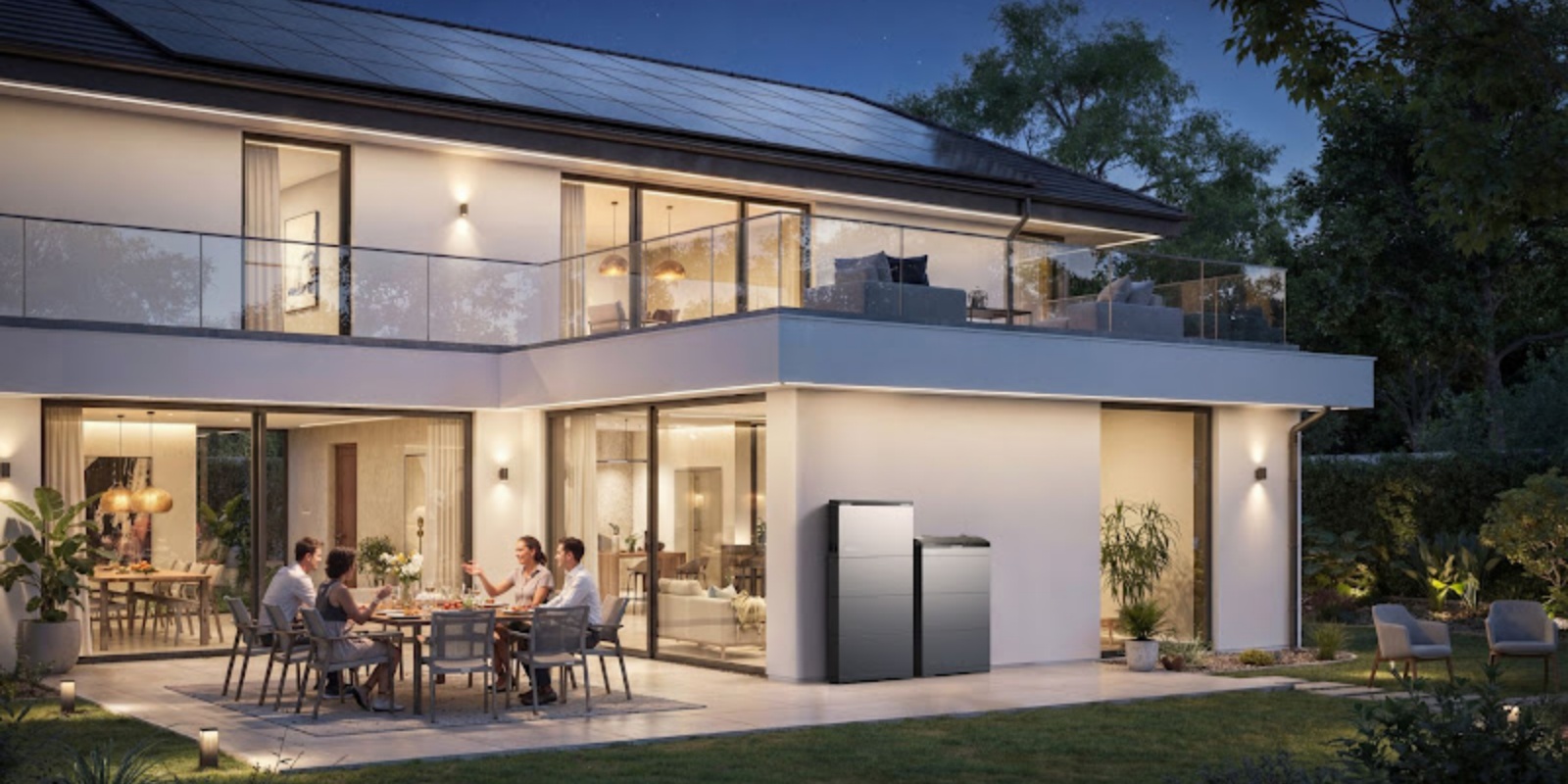
Australia leads the world in rooftop solar penetration, yet millions of homeowners are finding that daytime solar generation alone no longer covers modern household routines. Between dwindling grid export returns and the transition away from residential gas, home batteries have shifted from a supplementary green addition to a more central piece of household infrastructure.
Rising electricity demand from home electrification
Replacing gas-ducted heating with whole-home reverse-cycle air conditioning, swapping gas hobs for induction cooktops, and parking an EV in the driveway substantially increases a home’s daily energy throughput. A typical all-electric suburban home in Melbourne or Sydney can consume 25 to 35 kWh per day during winter or peak summer heatwaves. A fixed 5 kWh battery may become undersized as household electricity use increases through EV adoption, heating and cooling, or other electrification upgrades.
Greater need to store excess solar energy
Solar feed-in tariffs can be substantially lower than the retail rates households pay when importing electricity later in the day. The gap varies by retailer, tariff, location, and time of use. In some parts of Australia, network export limits or flexible export arrangements can also affect how much excess solar a household can send to the grid.
A battery allows households to store more of their surplus solar and use that energy later, when solar generation falls and household demand rises. The potential benefit depends on battery capacity, charging and discharging power, household load patterns, tariff structure, and export rates. An EcoFlow Solar Battery can help households retain more daytime generation for evening use and backup needs.
Growing demand for energy independence and resilience
Extreme weather events—ranging from severe summer storm fronts in Queensland to bushfire-risk transmission shutoffs in regional Victoria—continue to test grid reliability. Battery systems with backup capability can keep selected essential circuits operating during a grid outage. However, backup performance depends on the battery and inverter configuration, the circuits included in the backup supply, available stored energy, and the installation design. Properties considering an off grid solar system should size storage carefully for extended low-sun periods and essential loads.
What Features Make a Solar Battery System Ready for Future Expansion?
A truly future-proof storage system should accommodate the appliances, vehicles, and energy rates you may have five years from now, not only your current setup.
Expandable battery capacity
Your energy use is unlikely to stay the same over time. Modular systems allow you to start with a smaller capacity and add extra battery modules as your needs grow. This approach avoids the cost and disruption of replacing a working system simply to gain more storage, offering a more flexible path to a setup that can keep pace with your household.
Flexible solar and inverter compatibility
Whether you are installing a brand-new hybrid system or retrofitting a storage unit onto an existing 5 kW string inverter from five years ago, compatibility matters. Modern battery systems support flexible AC-coupling (attaching directly to your home’s switchboard alongside existing microinverters or string inverters) and high-voltage DC-coupling for improved round-trip efficiency on new builds.
Efficient Charging and Discharging Performance
Storage capacity is only half the equation—continuous output power and round-trip efficiency (RTE) determine what you can actually run.
| Feature | Legacy / Basic Battery | Future-Ready Modular Battery |
|---|---|---|
| Expansion Mechanism | Fixed unit (replace whole unit) | Modular plug-in blocks (stack up to 40+ kWh) |
| Continuous Output Power | 2.5 kW – 3.3 kW | 5.0 kW – 10.0 kW (powers heavy loads simultaneously) |
| Round-Trip Efficiency (RTE) | 82% – 86% | 90% – 95%+ |
| Smart Platform Integration | Basic manufacturer app | Matter 1.4, Home Assistant, dynamic tariff matching |
| Backup Switchover Time | Manual switch or >5 seconds | Seamless EPS / sub-20ms switchover |
A robust 5 kW+ continuous discharge rating ensures your battery can simultaneously support an induction cooktop, an electric oven, and a split-system air conditioner during the evening peak without drawing supplementary power from the grid.
How Can Solar Battery Systems Adapt to Future Household Energy Changes?
The Australian National Electricity Market is shifting toward dynamic wholesale pricing, smart sub-metering, and distributed virtual power plants (VPPs). Your storage solution must be agile enough to adapt.
Maximise Solar Independence in a Changing Grid
As network operators introduce two-way pricing and minimum export limits, solar self-consumption becomes the ultimate lever for slashing bills. A dynamic storage system monitors switchboard activity in real time, prioritising home loads, charging storage banks during peak solar hours, and discharging during peak retail tariff windows (typically 3:00 PM to 9:00 PM).
Systems like the EcoFlow OCEAN 2 Plus Single-Phase embrace this approach through modular storage architecture. By allowing homeowners to scale capacity in line with expanding household demand, the system captures surplus solar during mild mid-season weather and deploys it strategically during high-demand winter mornings or summer evening peaks.
Enable Flexible EV Charging and Energy Use
Plugging an electric vehicle into a standard 7 kW home wallbox can instantly triple your home’s instantaneous load. Future-ready battery setups work in tandem with EV chargers to prevent accidental grid spikes. The system can either fast-track excess solar generation directly into the vehicle’s battery pack during the afternoon or use stored stationary battery reserves to top up the EV overnight during off-peak windows.
Connect With Smart Energy Management Platforms
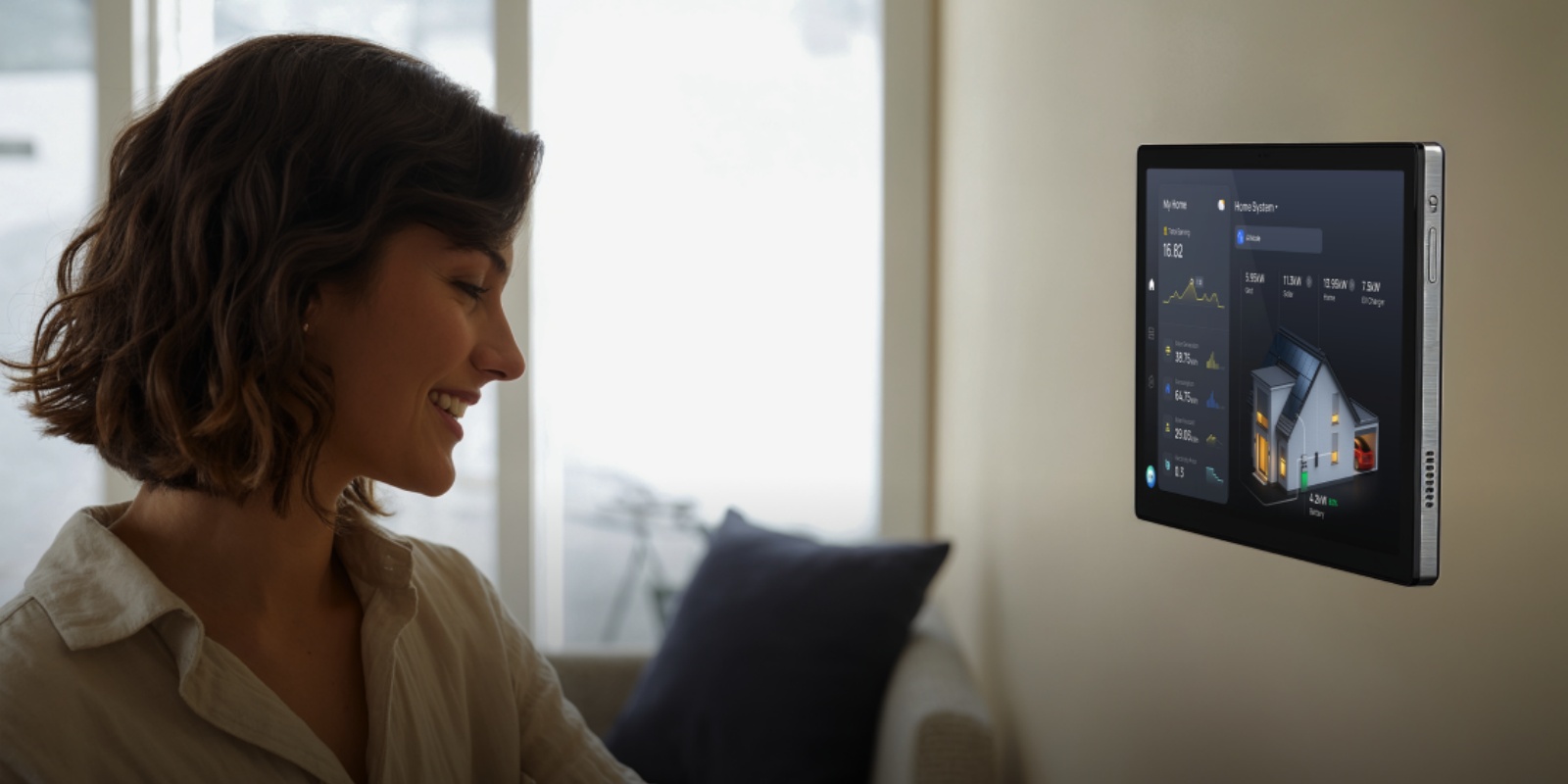
Modern home energy setups benefit from a single point of control, rather than a jumble of separate apps. A central gateway can manage the interaction between panels, storage, heat pumps, and major appliances, allowing everything to work together through one integrated platform. A connected Home Energy Ecosystem can coordinate solar, storage and major appliances from a single interface.
The EcoFlow PowerInsight 2 is built for that purpose. It provides real-time visuals of your home’s energy flow and supports the Matter 1.4 standard, enabling smart devices, climate systems, and charging gear to communicate through one responsive interface. This approach means future upgrades can plug straight in without requiring rewiring or replacement of existing hardware. The system is designed to scale with your household over time.
How Do You Choose the Right Future-Proof Battery System?
Selecting the ideal battery setup requires balancing your household’s daily load profiles with physical site constraints and long-term financial payback.
Assess Your Household Energy Consumption Patterns
Start with your recent bills or smart meter data. Look at your average daily usage and, more importantly, how much power you’re drawing between 4 PM and 10 PM. That period often drives the decision on battery size. These numbers give you a more accurate guide than generic averages, helping you select a battery that covers your evening demand without paying for capacity you may not need.
Consider Installation Location and Space Requirements
Australian conditions require careful consideration of temperature, weather exposure, and available installation space. Look for an outdoor-rated battery with an appropriate IP rating and operating temperature range for the local climate, while also considering a compact wall-mounted or ground-stacked design that fits the available space. Installation must follow the manufacturer’s requirements and applicable Australian standards, including AS/NZS 5139 where applicable, as well as relevant clearance and electrical safety requirements.
Compare System Costs, Warranty and Return on Investment
Look beyond the sticker price. Work out the cost per usable kilowatt-hour over the full warranty period. That's what actually matters. Comparing solar battery cost by usable capacity, warranty and expected savings can make long-term value easier to assess.
Cell chemistry. Lithium Iron Phosphate (LiFePO₄) is a widely adopted choice for residential storage, offering good thermal stability and long cycle life.
Warranty and cycle life. Look for a 10-year warranty that guarantees 60–70% capacity after 6,000 cycles.
Check rebate eligibility. Ensure the system is CEC-approved so you can access state rebates and low-interest loans where available.
Schedule Your Free Consultation Today!
What kind of product or solution are you interested in?
Conclusion
As Australian households continue to increase their electricity consumption, a small fixed-capacity battery is unlikely to remain sufficient in the long term. Modular systems allow you to add capacity as your needs evolve, while smart management helps you maximise solar self-consumption and reduce reliance on the grid. With a modular approach, you avoid being locked into a system that is either too small to meet future demand or unnecessarily expensive from the outset.
FAQ
How long do solar batteries last in Australia?
A well-maintained LiFePO₄ battery typically lasts between 10 and 15 years, which corresponds to approximately 6,000 to 10,000 cycles before its capacity declines to 60–70% of its original rating.
Can I go off-grid with a battery, or do I need the grid?
Both options are possible. An off-grid system means complete independence from the grid, but requires careful sizing for extended cloudy periods. A grid-connected hybrid system provides backup during blackouts while retaining the grid as a fallback option when solar generation is insufficient for extended periods.
Can I add a battery to my existing solar panels?
Yes, in most cases. An AC-coupled battery can be added alongside your current inverter, or you can replace your existing inverter with a hybrid unit designed for battery integration. The best approach depends on your current equipment and installation setup.
AC-coupled vs DC-coupled, what's the difference?
AC-coupled systems connect to your switchboard with their own inverter—this is generally a straightforward option for retrofits. DC-coupled systems connect directly to the solar wiring and use a hybrid inverter—this approach can offer higher efficiency for new installations.
Where should I install the battery?
A ventilated garage, sheltered carport, or a shaded external wall are common options. South- or east-facing brick walls are often preferable to minimise direct sun exposure. Keep the unit out of direct sunlight and rain, and ensure the installation complies with AS/NZS 5139 clearance and safety requirements.