Residential EV Charger Demand in Australia: Trends and Key Drivers
Home EV charging is becoming more common in Australia as electric vehicle ownership grows. For many drivers, a dedicated charger makes daily charging faster and easier to fit around home electricity rates and rooftop solar generation. This guide looks at where residential charging demand is growing, what is driving adoption, the barriers households face, and the trends shaping Australia’s home charging market.
Key Takeaways
Home is where the power is:
Around 80% of EV charging in Australia happens at home, turning garages and driveways into private “service stations.”
Rooftop solar supercharges savings: Australian homes have some of the highest solar penetration in the world, making solar-to-EV charging the cheapest way to fuel personal transport.
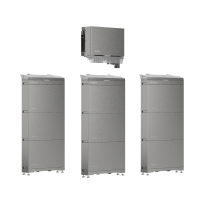
Smart tech is taking over: Systems like the EcoFlow PowerPulse 2 and integrated home setups like the EcoFlow OCEAN 2 Plus Single Phase make it easy to match charging with off-peak rates and rooftop generation.
Friction points remain: Upfront installation costs, aging switchboards in older weatherboard or brick homes, and strata red tape in apartment complexes still hold plenty of drivers back.
How Is the Demand for Residential EV Chargers Evolving in Australia?
Demand varies across Australia, shaped by EV ownership, housing type, local electricity conditions and access to off-street parking.
Growth in Residential Charging Demand
Many Australian EV owners charge at home, but a standard 10-amp portable charger can be painfully slow when the battery needs a proper top-up. Depending on the car and the conditions, a full charge could take more than a day. If you want faster charging, a dedicated wall charger is the usual next step. Single-phase 7.4 kW and three-phase 22 kW units are the main options. Which one suits comes down to your home’s electrical supply and your vehicle’s onboard charging capacity.
State and Territory Market Differences
Demand varies by state, influenced by local incentives, housing types and the EVs people drive.
| State / Territory | Demand Profile | Primary Driver | Typical Grid Phase |
|---|---|---|---|
| ACT | Highest per-capita uptake | Generous stamp duty waivers and EV loan initiatives | Mixed single & three-phase |
| NSW | High suburban & coastal volume | High commuter mileage; growing regional charging needs | Predominantly single-phase |
| VIC | Strong metro Melbourne growth | Dense commute routes; high interest in off-peak tariffs | Predominantly single-phase |
| QLD | Massive solar integration demand | "Sunshine State" solar owners wanting free driving range | High single-phase solar export caps |
| WA & SA | Rapid decentralised growth | Extreme mid-day solar soak periods and high peak power costs | Single-phase dominant |
Demand Across Different Housing Types
Where you park often decides how you charge, and that’s just the reality in Australia. Freestanding suburban homes with a driveway, carport, or garage account for the vast majority of current charger installations. Townhouses, duplexes, and apartment buildings are a different story. Strata corporations, shared sub-boards, and parking bays without dedicated power all add up. For apartment dwellers, getting a charger approved and wired can be a real headache. For households with suitable off-street parking, planning for future EV charging can also involve considering how rooftop solar and EcoFlow solar battery solutions might support wider household energy use.

What Is Driving the Growth of Home EV Charging in Australia?
For many EV owners, home charging offers a convenient way to keep the vehicle ready while making better use of electricity plans and rooftop solar.
Rising EV Adoption and Charging Needs
Models like the Tesla Model Y, BYD Atto 3, and MG4 are now a common sight in school zones and supermarket car parks, and EV registrations keep climbing month after month. As more multi-car households swap their main family SUV for an electric model, reliable fast charging at home stops being a luxury. It becomes part of the daily routine.
Potential Savings on Charging Costs
Home charging can cost less than filling up with petrol, especially when drivers can use an off-peak electricity plan or charge from rooftop solar. For EV owners comparing running costs, how much it costs to charge an electric car depends on the electricity tariff, battery size and charging efficiency.
Standard Grid Off-Peak:
Charging on an EV-specific electricity plan can reduce home charging costs. For example, the ACCC’s July 2025 electricity market report recorded EV charging rates of 8¢ per kWh on several retailer plans. At that rate, charging a 60 kWh battery from empty to full would cost approximately $4.80 before charging losses, although actual costs depend on plan eligibility and current rates.
Rooftop Solar Diversion:
Generating your own power during a sunny Saturday afternoon brings running costs close to zero cents per kilometre.
Convenience of Overnight Charging
Charging at home means you plug in when you get back and wake up to a full battery. No detour to a public charger, no waiting for a free bay. It just fits into the day.
What Barriers Are Limiting Residential EV Charger Adoption?
Charger installation can involve more than buying the unit. Electrical capacity, upfront costs and permission to alter a property can all affect whether a household can install one.
Upfront Charger and Installation Costs
A dedicated Level 2 home EV charger typically costs hundreds to a few thousand Australian dollars, with installation charged separately. The Western Australian Government estimates that a wall charger may cost $500 to $2,500 AUD, while installation can add around $500 to $2,000 AUD . Actual costs depend on the charger, cable distance, switchboard capacity and whether electrical upgrades are needed. For households managing high mortgage interest rates and general cost-of-living pressures, the upfront cost of installing a home EV charger can require careful budgeting.Households considering a broader solar upgrade should also compare solar battery cost separately, as storage adds another upfront expense to the overall home energy setup.
Electrical Upgrades and Installation Complexity
Australia’s older housing stock often hides surprise costs in the meter box. Plenty of mid-century brick-veneer and timber homes across Sydney, Melbourne, and Brisbane still run on 40-amp or 63-amp main supplies, with old porcelain fuses or crowded switchboards that lack RCD protection. Adding a 32-amp continuous EV load often means a full switchboard overhaul, upgraded consumer mains, or a new network service fuse before an installer can safely sign off. It’s the kind of cost that catches people off guard.
Rental, Strata and Parking Restrictions
Renters and apartment residents face the steepest climb. Tenants have little financial incentive to fund permanent hardware improvements on a landlord’s property, and landlords rarely see EV chargers as mandatory fixtures yet. Meanwhile, apartment owners navigating body corporates frequently run into gridlock over common-property cable runs, fire safety reviews, and disputes about fair billing for communal electricity usage.

What Are the Emerging Trends in Australia's Residential EV Charging Market?
Home chargers are increasingly being connected to electricity tariffs, rooftop solar and household storage, making energy management a larger part of the charging experience.
Smart Charging and Dynamic Electricity Tariffs
Smart chargers let EV owners schedule charging around electricity prices and rooftop solar. Some models can adjust charging based on available solar or current rates, depending on the charger, your energy plan, and how your home is set up. The EcoFlow PowerPulse 2 supports scheduled and solar charging, so drivers get more control over when the car charges. That makes it easier to fit charging around your routine and make better use of your solar or cheaper rates.
Integration With Rooftop Solar and Home Batteries
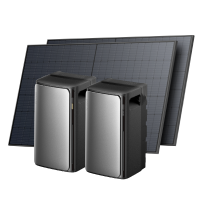
Australia has one of the highest rates of rooftop solar in the world. For households with panels, using surplus power at home or to charge an EV can be worth more than exporting it, especially when feed-in tariffs are low. A battery lets you store some of that daytime generation for later, while an energy management system helps coordinate household demand, solar production, and EV charging. The EcoFlow OCEAN 2 Plus Single Phase combines solar and battery storage, giving households another way to manage their energy use and support daily EV charging.
Bidirectional Charging and Vehicle-to-Grid (V2G) Integration
As Australia updates its grid-connection standards and progresses bidirectional charging trials, compatible electric vehicles are increasingly being considered as potential home backup power sources. The Australian Government explains how vehicle-to-home (V2H) technology can supply electricity to a home’s electrical system, although only compatible vehicles and charging equipment can support this function. A 60–80 kWh EV battery could theoretically cover several days of household electricity use, depending on daily demand and usable battery capacity. The Victorian Government discusses how EV batteries can provide several days of household electricity, although this should not be interpreted as a guarantee of continuous whole-home backup during an outage.
EV-Ready Homes and Residential Infrastructure
Property developers and state planning bodies are finally catching up. Under updated National Construction Code (NCC) provisions across several jurisdictions, new multi-unit developments and apartment complexes (Class 2 buildings) are now required to provide dedicated electrical capacity, conduit pathways, and load-management infrastructure to make shared parking EV-ready from day one. As more households consider how to coordinate rooftop solar generation with EV charging, solar battery storage may also become part of their wider home energy planning.
Schedule Your Free Consultation Today!
What kind of product or solution are you interested in?
Conclusion
Residential EV charging in Australia is shaped by more than the charger itself. Installation costs, switchboard capacity, parking access and local electricity plans all affect what works for each household. Smart charging can help drivers coordinate charging with off-peak rates or rooftop solar, while home batteries may offer another way to manage energy use. The right setup depends on the vehicle, the property and the household’s charging needs.
FAQs
How Much Does It Cost to Charge an Electric Car at Home?
The cost of charging an electric car at home depends on your electricity tariff and the amount of energy needed. Charging with surplus rooftop solar can significantly reduce the amount of electricity you buy from the grid, potentially bringing the direct cost of charging close to zero when sufficient solar power is available. However, actual costs depend on solar generation, household demand and the value of any electricity that could otherwise be exported.
Is It Worth Installing an EV Charger at Home?
Yes, installing a dedicated home wallbox is well worth the investment if you own an EV and have off-street parking. Beyond cutting charging times by up to 70% compared to a portable 10A socket, it enables you to take full advantage of narrow off-peak tariff windows and solar self-consumption, recovering your installation costs through petrol savings in just a couple of years.
How Long Do EV Chargers Last on Average?
A residential EV wallbox usually lasts 8 to 12 years with proper care. Good chargers built for Australian conditions come with solid IP ratings, like IP55 or IP65, and UV-resistant casings. That helps them handle summer heatwaves, heavy rain, and coastal salt spray.
Can You Move an EV Charger from One House to Another?
Yes. A licensed electrician can safely disconnect your charger and reinstall it at your new place. You’ll pay for labour at both ends, and you’ll need to make sure the new house has a suitable switchboard, enough electrical capacity, and a compliant circuit ready to go.