Renovation of Housing: Energy Efficiency Upgrades for Modern Homes in Australia
Sitting in a beautifully renovated living room, yet still clutching an ice pack because the house just won’t stay cool. In 2026, a ‘modern’ Australian home isn’t defined by its open-plan kitchen, but by how long it can stay 22°C without the grid breaking your bank. If you’re planning a home renovation, it’s worth thinking beyond aesthetics and focusing on energy efficiency. Let’s look at the upgrades that save your hip pocket before they save the planet.
Why Energy Efficiency Upgrades Matter in Australian Home Renovations
Before knocking down walls or ripping out cabinets, it’s worth thinking about how efficient your home actually is. In the Land of Down Under, the benefits are becoming impossible to ignore.
1. Rising Electricity Prices Across Australia
According to the Australian Energy Regulator, residential electricity prices have continued to rise in recent years due to increasing wholesale energy and network costs. Across the states, electricity prices have climbed significantly, making traditional “energy-hungry” homes a liability.
2. Government Push Toward Net-Zero Homes
The federal and state governments are putting the pedal to the metal on the transition to net-zero. New building standards are raising the bar for energy ratings, meaning if you renovate now with efficiency in mind, you’re future-proofing your home against upcoming regulations.
3. Long-Term Savings and Improved Property Value
A home with a high NatHERS star rating is like gold in the Aussie real estate market. Buyers are increasingly looking for “comfortable” homes that won’t cost a fortune to run. Investing in efficiency now means lower bills today and a much higher “Sold” price tomorrow.
Key Energy Efficiency Upgrades for Modern Homes
So, where should you actually spend your hard-earned cash? Let’s look at the tech that’s changing the game for modern renovations.
1. Solar Panel Systems for Clean Energy Generation
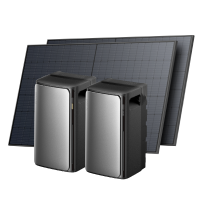
We’ve got more sun than almost anywhere else on Earth—it’s a no-brainer to use it. A solid rooftop solar array is the foundation of any sustainable renovation, turning that harsh Aussie sun into pure, free power. To make the most of this generation, many homeowners are now integrating high-quality solar batteries to ensure no kilowatt-hour of sunshine goes to waste.
2. Home Battery Storage for Energy Independence
Here’s the catch with solar: your panels often produce the most juice while you’re at work, and that power gets dumped back into the grid for a measly feed-in tariff. To truly take control, you need to store it.
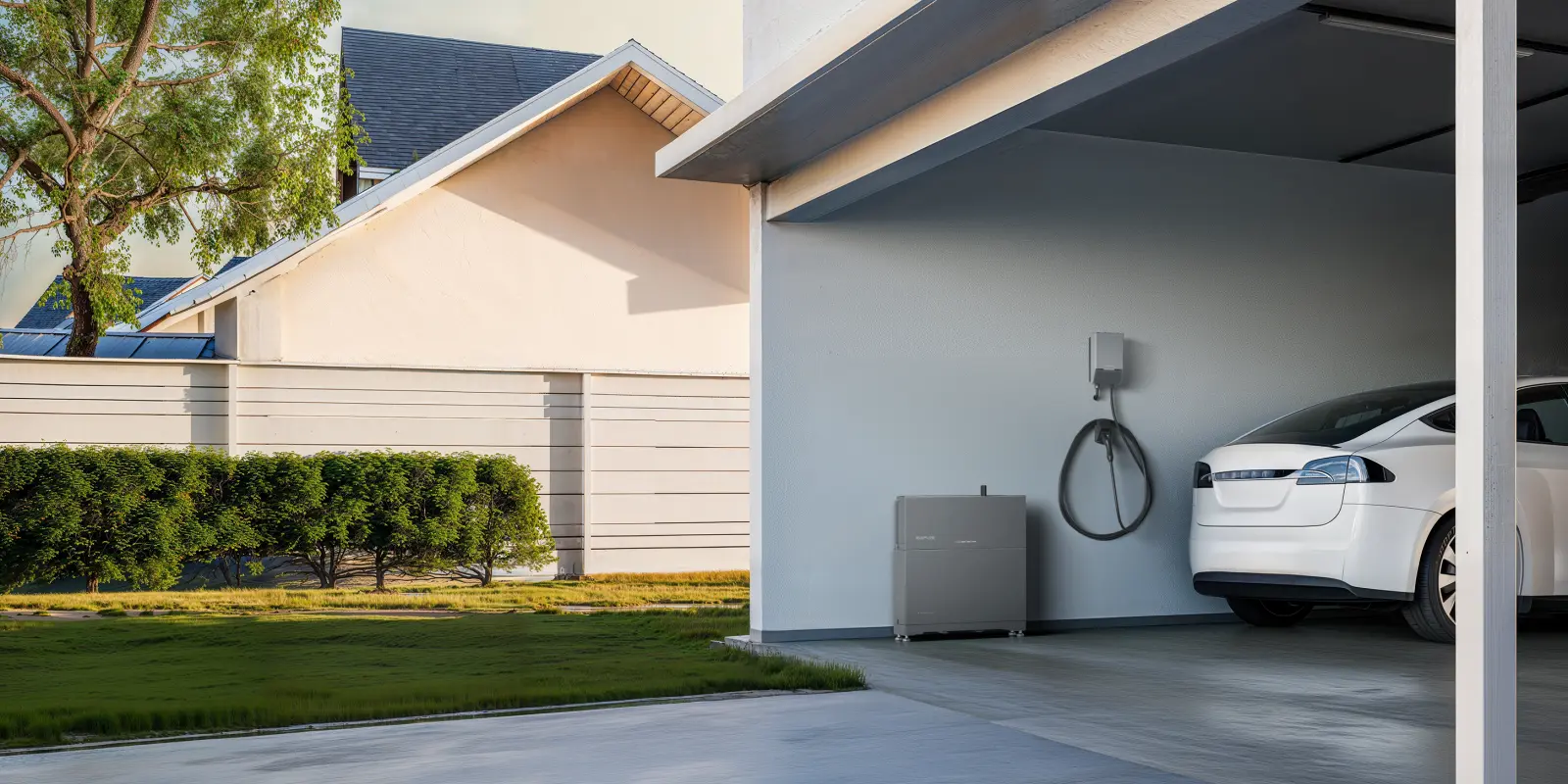
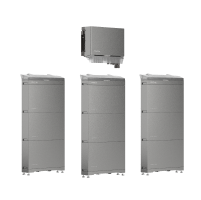
Systems like the EcoFlow PowerOcean are a game-changer here. It offers massive storage capacity and smart management that automatically allocates power based on your habits. Instead of losing your solar harvest to the grid, you save it for the evening “peak” or those humid summer nights. It’s not just about saving bucks; it’s about energy security when the grid decides to take a breather.
3. High-Efficiency Heat Pump Systems
Ditch the old resistive electric heaters or gas guzzlers. Modern heat pumps for hot water and HVAC are incredibly efficient, moving heat rather than creating it. They are the “secret sauce” to a low-energy home.
4. Smart Energy Management Systems
Managing solar, batteries, and appliances separately can be a bit of a headache. This is where the tech gets really cool.
The EcoFlow PowerInsight 2 acts as the “brain” of your home. It monitors your usage in real-time, offering tips to optimize your consumption and linking directly with your storage system. For the tech-savvy renovator, its sleek dashboard makes energy flows visible at a glance—it’s basically the ultimate “flex” for a modern, sustainable home.
.png)
How to Plan an Energy-Efficient Renovation
You wouldn’t build a deck without a plan, and energy upgrades are no different. Here’s how to approach the project.
1. Conducting a Home Energy Audit
Start by getting a pro to look at your place. An energy audit identifies where your home is “leaking” money, whether it’s through old seals or outdated appliances.
2. Identifying the Biggest Energy Loss Areas
In most Aussie homes, the culprits are poor insulation and “leaky” windows. Fixing these before installing a big AC unit will save you thousands in the long run by keeping the heat out and the cool air in. Once your home’s envelope is effectively sealed, integrating a solar battery storage becomes the ultimate strategy to manage that thermal efficiency, allowing you to bank your solar power and use it precisely when your home needs it most.
3. Prioritising Upgrades Based on Budget and Impact
If your budget is tight, start with the “low-hanging fruit” like LED lighting and draught-proofing. Then, move to the heavy hitters like solar and smart storage.
4. Working with Certified Installers and Energy Experts
Don’t just hire any “tradie from down the road.” Ensure your installers are CEC (Clean Energy Council) accredited to guarantee the work is up to scratch and eligible for incentives.
Government Rebates and Incentives for Energy-Efficient Renovations in Australia
The good news? You don’t have to foot the whole bill yourself. While the universal “cost-of-living” bill credits ended in late 2025, the government has pivoted toward helping Aussies with the upfront costs of structural upgrades. They want you to stop relying on temporary relief and start building permanent energy independence.
1. Small-scale Renewable Energy Scheme (SRES)
This is the “big one” that most people think of as the federal solar rebate. When you install solar panels or an eligible battery system, you’re essentially creating Small-scale Technology Certificates (STCs).
The Benefit: These certificates have a dollar value that fluctuates with the market, but your installer usually buys them from you upfront and applies them as a massive discount (often several thousand dollars) on your quote.
2026 Critical Update: (The May 1 Deadline) Timing is everything. On May 1, 2026, federal battery rebates will drop from approx. $311 to $252 per kWh. More importantly, a new “tiered” system will slash subsidies for larger systems (over 14kWh). If you’re eyeing a high-capacity setup, securing your installation before May 1 could save you between $2,000 and $9,000. Don’t wait—installer queues will peak as the deadline nears.
2. State-Based Energy Efficiency Rebates
While the Feds handle the solar certificates, the States are getting aggressive with specific “electrification” bonuses.
Victoria: The Solar Homes Program continues to offer substantial rebates for solar PV and batteries, plus interest-free loans for rental providers.
NSW: The Peak Demand Reduction Scheme (PDRS) is now in full swing, offering incentives to households that install smart batteries or join Virtual Power Plants (VPPs) to help stabilize the grid.
QLD & Others: Look for specific rebates on heat pump hot water systems and energy-efficient air conditioning. These can often shave $500 to $1,000 off the purchase price of high-efficiency units.
3. Financing Options for Sustainable Home Upgrades
If you don’t have the cash sitting in the bank, 2026 is a great year to look at Green Loans.
Household Energy Upgrades Fund (HEUF): This federal initiative works with big banks (like CommBank, Westpac, and ANZ) to offer discounted finance for green renovations.
Low Interest, High Reward: Many of these green loans offer rates significantly lower than standard finance options. While typical personal loans can exceed 10%, green loan rates in 2026 generally hover between 3% and 7%. For example, major lenders like CommBank offer around 3.99% for eligible energy upgrades, providing a high-impact way to fund your renovation without the heavy interest burden.
Creating a Future-Ready Energy-Efficient Home
A great renovation doesn’t just look good in 2026; it looks good in 2046.
1. Integrating Solar, Storage, and Smart Energy Systems
The goal is a “closed-loop” system where your solar panels, EcoFlow PowerOcean battery, and PowerInsight 2 management system work in total harmony. This level of integration means you’re essentially running your own mini-power plant.
2. Designing Homes for Long-Term Sustainability
Think about passive design—using eaves to block summer sun while letting in winter warmth. Combine this with smart tech, and your home will be the most comfortable spot on the block.
3. Key Tips for Homeowners Starting a Renovation Project
Before you swing the first hammer, keep these three golden rules in mind to ensure your renovation is as “smart” as it is “pretty.”
Plan for the Future (EV Ready): Even if you aren’t driving an EV yet, ask your sparky to pre-wire the garage for a charger while the walls are open. It costs a few hundred bucks now but could save you thousands in retrofitting once the plaster is up and the driveway is poured.
Quality Over Price (The “Aussie Sun” Test): Our harsh UV and extreme heat kill cheap gear. “No-name” solar panels and batteries often fail or delaminate after just a few scorching summers, so invest in hardware with solid warranties that are proven to survive a Queensland January or a Victorian storm season.
Monitor Everything: Using a centralized energy management interface allows you to spot “vampire” appliances sucking power overnight and shift your heavy usage to peak solar hours—turning data into serious savings on your next bill.
Schedule Your Free Consultation Today!
What kind of product or solution are you interested in?
Conclusion
Renovating for energy efficiency is the smartest investment a modern Australian homeowner can make. By combining passive design with high-tech solutions like smart storage and integrated management, you’re creating a home that’s cheaper to run, more comfortable to live in, and better for the environment. It’s time to stop paying the “inefficiency tax” and start building for the future.
FAQs
1. How much can I save on electricity bills with upgrades?
You can typically save between 40% to 80% on your electricity bills depending on the extent of your upgrades, especially if you combine solar with a high-capacity battery system.
2. Which upgrades have the fastest ROI in Australia?
LED lighting and draught-proofing usually pay for themselves in months, while solar power systems typically see a Return on Investment (ROI) within 3 to 5 years.
3. Is solar power still worth it with reduced feed-in tariffs?
Yes, solar is absolutely still worth it, but the focus has shifted from selling power back to the grid to “self-consumption” using home batteries.
4. How can energy efficiency be improved?
Efficiency can be improved by upgrading insulation, switching to heat pump technology, installing solar and storage, and using smart energy management systems to reduce waste.
5. How much does solar improve the resale value of a house?
Studies suggest that solar can add roughly $4,000 to $6,000 in value for every kilowatt of solar installed, as buyers value lower ongoing living costs.