Power Saving Bonus: Who Is Eligible and How Much Can You Receive?
The last round of the Victorian Power Saving Bonus – the one that gave eligible households a one‑off $250 payment – has now officially wrapped up. That said, Victorian households, especially those with concession cards, can still access ongoing government support to help with living costs. Below, we take a look at how those past rebate schemes worked, and run through the active relief options and longer‑term energy strategies that can help you bring your electricity bills down.
Key Takeaways
Previous Power Saving Bonus rounds provided short-term financial support for eligible Victorian households, helping reduce upfront electricity costs during the scheme periods.
Eligibility comes down to your household situation and whether you hold a concession card. You’ll also need an active residential electricity account in Victoria and meet the residency or concession requirements.
The bonus can help with immediate costs, but it doesn’t change how much power you actually use. It’s a quick cash injection – it won’t shift your ongoing usage or what you’re paying per kWh.
Long‑term savings usually come from improving your home’s efficiency, making better use of your solar, and managing your energy more carefully. Sustainable bill reduction takes a bit of proactive work and smart tech along the way.
Who Can Get the Power Saving Bonus and What Do You Need to Apply?
Getting your head around the eligibility rules and having your documents ready beforehand is the simplest way to make sure your application goes through without a hitch. The process is meant to be straightforward for all Victorians, but meeting the exact state requirements will save you from frustrating hold‑ups.
Are You Eligible for the Power Saving Bonus?
Previous Power Saving Bonus applicants needed to meet standard government residency and utility conditions:
Victorian Residency: You must reside in Victoria at the registered residential property address.
Active Electricity Account: You need to have an active residential electricity account in your own name with a Victorian retailer. Business or commercial accounts don’t qualify.
Application Period: Make sure you get your application in within the timeframe the Victorian Government sets for the scheme, and definitely before the official closing date.
Can a Concession Card Help You Qualify?
Yes, concession card status plays a central role in qualifying for targeted rounds of the bonus and accessing additional state energy relief.
Eligible Concession Cards: You’ll generally qualify if you hold a valid Pensioner Concession Card, Health Care Card (including Low Income Health Care Card), DVA Gold Card, or Commonwealth Seniors Health Card.
Concession Details Needed for Verification: When you register, you’ll need to provide your Centrelink or DVA Customer Reference Number (CRN) or card number – they’ll verify it automatically on the spot.
Additional Support from the Victorian Government: Cardholders might also be eligible for other state support like the Annual Electricity Concession, Winter Gas Concession, the Utility Relief Grant Scheme, or battery-related assistance programs such as battery support programs available in specific Australian regions, including the Cheaper Home Batteries Program where applicable.
What Do You Need Before Starting Your Application?
Before jumping online to apply via the Victorian Energy Compare portal, gather the following essential details:
Recent Electricity Bill: A copy of your most recent Victorian household electricity bill showing your retailer name, account holder name, and address.
National Meter Identifier (NMI): A unique 10- or 11-digit number found on your electricity bill (usually located on the second page or under bill details).
Concession Card Details: Your active card number and CRN (if applying under concession eligibility).
Banking Details: Your BSB and account number for direct EFT payout deposit.
Contact Details: A valid email address and phone number for status updates.
What Causes Application Delays or Rejections and How to Avoid Them?
Application snags are usually easy to avoid once you know what the portal algorithms look for:
Name Mismatches: The name on your electricity bill, concession card, and bank account must match. Double-check spelling and middle names.
Incorrect NMI Entry: Mistyping your National Meter Identifier will cause automated verification to fail. Copy the number exactly as printed on your bill.
Duplicate Household Applications: Only one bonus payment is permitted per residential address. Coordinate with housemates or family members before applying.
Embedded Networks: If you live in an apartment complex or retirement village with an embedded energy network, ensure you select the specialized embedded network application route on the portal.
.png)
How Much Support Can You Receive and When Will You Get It?
Knowing the exact financial relief available and when funds arrive helps households plan their budget effectively. Below is a breakdown of payment amounts and approval turnaround times.
Previous Power Saving Bonus Amounts
The Victorian Power Saving Bonus was delivered through different rounds over time. The payment amounts and eligibility requirements below refer to previous scheme settings and may not represent current available payments.
| Previous Scheme / Round | Bonus Amount (AUD) | Key Eligibility Requirement | Payment Method |
|---|---|---|---|
| Previous Concession Card Round | $250 per household | Victorian households meeting the scheme requirements and holding an eligible concession card during the scheme period | Direct Bank Transfer (EFT) or Cheque |
| Previous Universal Victorian Round | $250 per household | Eligible Victorian residential electricity account holders who met the scheme requirements during the scheme period | Direct Bank Transfer (EFT) or Cheque |
Payment Timeline During Previous Scheme Rounds
Once your application passes automated verification and receives approval, processing times depend on your chosen payout preference:
Electronic Funds Transfer (EFT): Typically takes 2 to 10 business days to land directly in your nominated Australian bank account.
Paper Cheque: Takes approximately 3 to 4 weeks to arrive via Australia Post if you opted for physical payment.
Verification Flagged: If manual review is required (e.g., verifying an embedded network bill), processing may take up to 3 to 4 weeks. You can track status online using your application reference number.
How to Reduce Energy Bills Beyond the Power Saving Bonus?
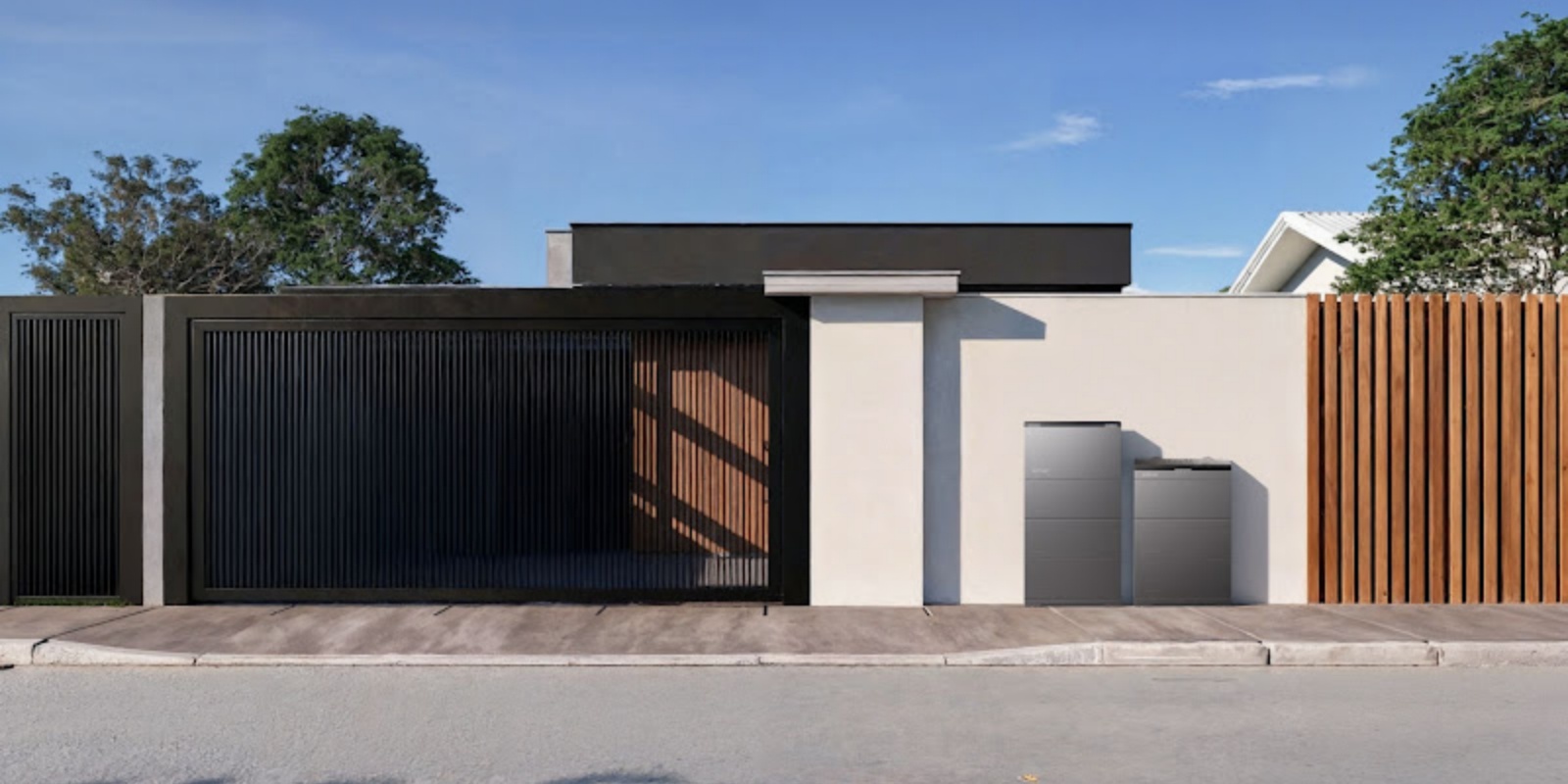
While government bonuses can provide short-term financial relief, they don’t fix the root causes of high power bills. To better manage rising electricity costs, you need a proactive, multi-pronged approach to how you manage energy at home, including solutions such as EcoFlow Solar Battery systems that help households store excess renewable energy and reduce reliance on grid electricity.
Improve Appliance Efficiency
Heating and cooling are among the largest contributors to household energy consumption. Upgrading to high-star reverse-cycle heat pumps, sealing drafts around doors, insulating your ceiling, and switching to LEDs can help reduce daily energy consumption without you having to go without comfort.
Increase Solar Self-Consumption with Rooftop Solar
Putting solar panels on your roof is a way to generate low-cost renewable electricity once installed during the day. But just having them isn’t enough – many Victorian households are now combining rooftop solar with solar batteries for home energy storage to store excess generation and make better use of their solar power and make better use of their own solar generation. Running heavy-draw appliances like washing machines and dishwashers during the day can also help maximise self-consumption. That way you’re using the power yourself, rather than exporting more electricity to the grid, where feed-in tariff rates may be lower than retail electricity prices. A connected Home Energy Ecosystem can also help households better coordinate energy generation, storage, and consumption for more efficient daily energy management.
Store Excess Solar Energy with Home Battery Storage
The Power Saving Bonus can help take the edge off your electricity bills in the short term, but if you’re serious about cutting your power costs over the long haul, a one-off rebate alone does not directly change your daily energy consumption patterns. Take households with rooftop solar, for example. During the day, when your panels are pumping out power, you might not be using much at home, so a lot of that low-cost solar electricity may be exported back to the grid at relatively low feed-in tariff rates. Then evening rolls around, household demand usually increases as families return home, using appliances such as air conditioning, kitchen equipment and entertainment devices and you’re often buying electricity back during higher-demand periods or higher tariff windows.
That’s where battery storage comes in. A system like the EcoFlow OCEAN 2 Plus Single Phase lets you store that excess solar from the day and use it when you actually need it – in the evening or during periods when electricity prices may be higher. It can help reduce reliance on grid electricity over time and provide longer-term opportunities for managing energy costs compared with a one-off payment.
Monitor Household Energy Use
In addition to increasing solar utilization, understanding your household’s daily energy usage is another important step in reducing long-term power bills. For instance, in Victorian homes, the running times of air conditioners, electric hot water systems, and other high-energy-consuming equipment can significantly impact monthly electricity bills. Without knowing which appliances consume the most energy, it is difficult for users to determine which electricity habits need adjustment.
The EcoFlow PowerInsight 2 helps users monitor household energy data, including solar generation, battery storage, and home load conditions, giving them better visibility into daily energy flows and usage patterns.
Schedule Your Free Consultation Today!
What kind of product or solution are you interested in?

Conclusion
The Victorian Power Saving Bonus remains a valuable financial boost for households navigating cost-of-living challenges. By verifying your eligibility, preparing your electricity bill and bank details, and submitting your application through the official Victorian Energy Compare portal, you can prepare your application with confidence. However, true long-term relief comes from taking control of your energy footprint. By combining efficient household practices with solutions such as solar battery storage and energy monitoring tools, Victorian homes can improve energy resilience and better manage electricity costs.
FAQs
Can renters apply for the Power Saving Bonus?
Yes, renters can apply for the Power Saving Bonus as long as they hold an active residential electricity account in their name for a Victorian property and meet the general eligibility criteria.
Can I receive the bonus more than once?
No, only one Power Saving Bonus payment is granted per eligible Victorian household per application round.
Does having solar panels affect eligibility?
No, having rooftop solar panels on your property does not impact or reduce your eligibility for the Power Saving Bonus.
What Happens If My Application Is Not Approved?
If your application is not approved, you will receive an official notification detailing the reason, and you can contact the Victorian Energy Compare helpline to re-verify details, upload required documentation, or request a formal review.
Does the Power Saving Bonus affect other energy assistance programs?
No, receiving the Power Saving Bonus does not alter or reduce your eligibility for other Victorian energy relief programs, such as the Utility Relief Grant Scheme or annual concession card discounts.