Off Grid Solar Power Systems: How to Achieve Complete Energy Independence
If you’re over watching your bills creep up, an off-grid solar power system is worth a serious look. For plenty of Aussies, cutting the cord comes down to one thing: control. Control over what you pay, and control over keeping the lights on when the grid drops the ball.
This guide walks you through how these systems actually work, how to size one for our climate, and how to keep the power coming even when the sun’s not playing ball.
What Is an Off Grid Solar Power System?
Let’s start with the basics. Unlike the rooftop setups you see in the suburbs, an off-grid system doesn’t lean on the poles and wires at all. You’re not connected to the main grid. You are the grid.
1. Key Components of Off Grid Solar Systems
To keep the lights on and the beer cold, you need more than just panels. A typical setup includes:
Solar PV Panels: To capture that famous Aussie sunshine.
Battery Storage: The “fuel tank” that keeps you powered at night.
Inverter/Charger: Converts DC power from panels to AC power for your fridge and kettle.
Charge Controller: Prevents your batteries from overcharging and frying.
2. Differences Between Grid-Tied and Off-Grid Systems
A grid-tied system keeps the mains connection as a safety net. When the sun drops, you just flick back to the grid. Off-grid, your battery bank is the safety net. Run it flat, and you’re reaching for candles. That’s why reliable, well-sized solar batteries are not negotiable for consistent power.
| Feature | Grid-Tied System | Off-Grid System |
|---|---|---|
| Grid connection | Yes | No |
| Power at night | From grid | From batteries |
| Blackout protection | No (usually) | Yes |
| Upfront cost | Lower | Higher |
| Energy independence | Low | Full |
3. Why Go Off-grid in Australia?
For some, it’s pure practicality. If your place is remote, getting connected can cost a small fortune. But even for grid-connected homes, rising electricity prices are a growing concern. According to the Australian Energy Regulator (AER), electricity prices have risen significantly over the past decade, making off-grid systems an increasingly attractive long-term solution for energy cost control.
Going off-grid lets you dodge that upfront connection cost, avoid ongoing price hikes, and keep the power on through bushfire season when the network sometimes gives up.
How to Assess Energy Needs for an Off-Grid Solar System?
Getting your system size right is the difference between a cozy night in and a cold shower in the dark. You can’t just guess this part—you need a bit of “maths” to ensure your system survives a Victorian winter or a humid Queensland summer.
1. Calculate Daily Energy Consumption
Start by listing every appliance you use. Check the labels for wattage and estimate how many hours a day they run. The average Aussie house uses around 15–20kWh a day, but most people off-grid trim that down often under 10kWh by switching to gas cooking or solar hot water.
2. Determine Peak Power Needs
Total daily usage only tells half the story. The real pinch point is how many heavy loads you’re running simultaneously. If you fire up the aircon, microwave, and a power tool at the same time, your system needs to handle that surge without tripping.
3. Assess Solar Resource Availability
Location matters. A 5kW system in sunny Perth will produce significantly more power than the same system in cloudy Melbourne. Use “Peak Sun Hours” data for your specific region to calculate how many panels you’ll actually need to fill your batteries.
4. Account for System Losses and Efficiency
No system runs at 100%. You lose a bit through heat in the wiring and the conversion process. A safe buffer is about 20% to cover those losses.
5. Plan for Future Energy Growth
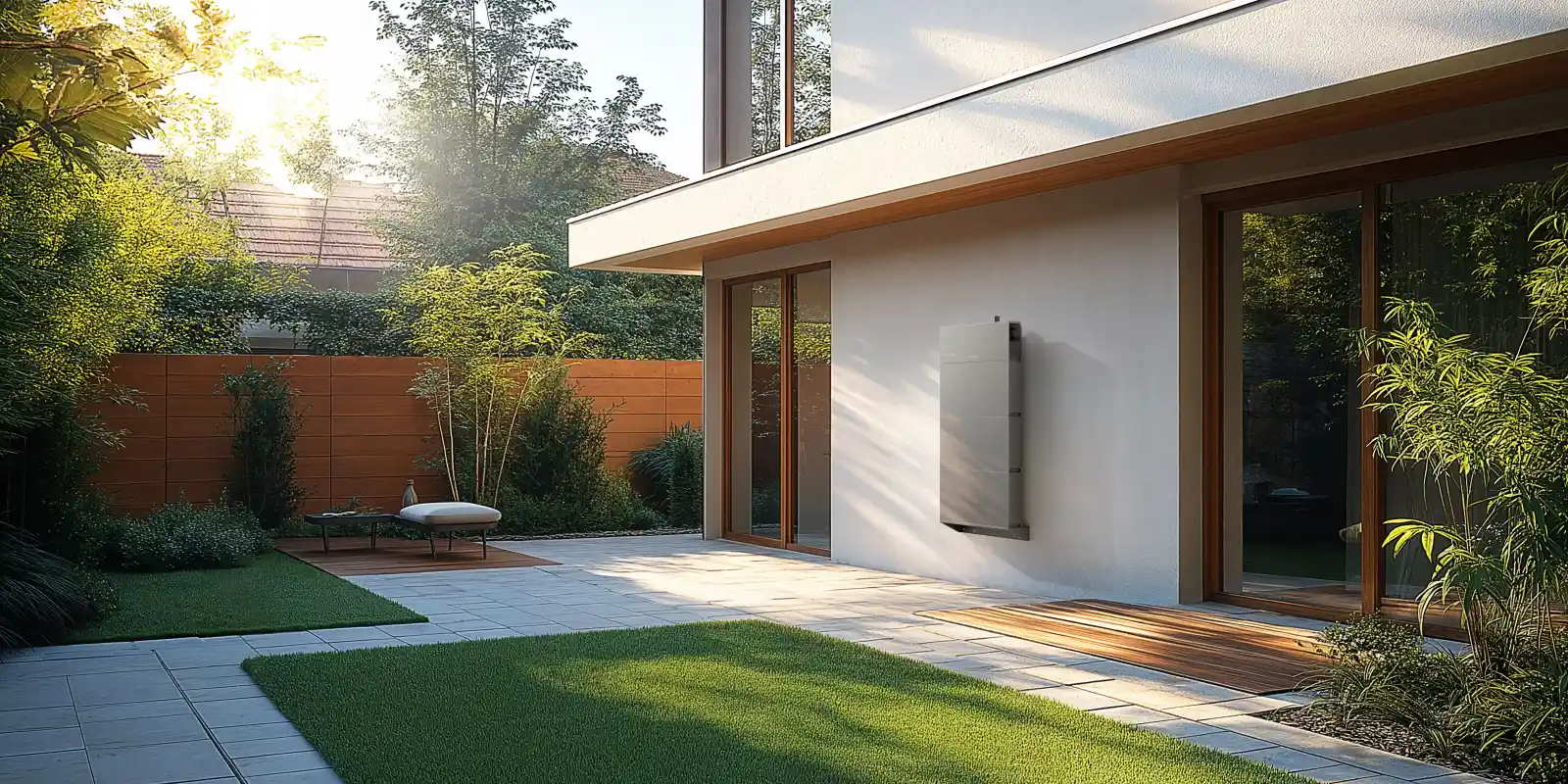
If there’s an EV or a granny flat in your future, it’s cheaper to build a bit bigger now than to rip things out and start again later. Transitioning to a comprehensive Home Energy Ecosystem allows you to use modular gear that lets you add more batteries down the track as your lifestyle expands.
Tips for Maximizing Off Grid Solar System Savings
Once it’s in, the trick is making your stored power stretch. Good management makes the difference between a setup that’s a pleasure and one that’s a constant worry.
1. Reducing Peak Energy Use
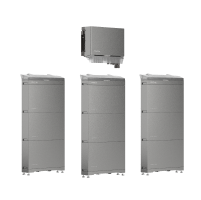
In an off-grid setup, running heavy loads all at once can hammer your batteries. Smart storage helps balance things out. The Ecoflow PowerOcean (Single-Phase) handles this neatly—each battery module packs 5kWh and scales up to 45kWh, so you can match it to your needs.
It’s built for Australian conditions: BMS safety, fireproof modules, and a winter auto-heating function for the cold nights. The 183mm profile fits neatly in a shed, and remote updates mean the system keeps improving without you lifting a finger.
2. Keep an eye on what you’re using
You can’t manage what you don’t track. Real-time data helps. The EcoFlow PowerInsight 2 gives you an 11-inch HD screen that shows generation and usage clearly. The built-in AI energy system learns your habits and suggests shifting appliance use to sunnier parts of the day. Even if the internet drops out, it keeps your data safe and your home running efficiently through smart automation.
3. Maintaining Equipment Efficiency
Keep your panels clean! Dust, bird droppings, or salt spray (if you’re near the coast) can significantly reduce performance. Research shows that accumulated debris and residue can reduce solar panel efficiency by up to 15% over time. A quick hose-down every few months can make a noticeable difference in your system’s output.
4. Adapting to Seasonal and Weather Changes
In winter, the sun sits lower in the sky and stays out for fewer hours. You’ll need to be more mindful of your “energy budget” during June and July. This might mean doing the laundry at noon on a sunny day rather than waiting for a rainy Tuesday.
.png)
Steps to Successfully Transition to Off Grid Living
Ready to pull the plug on the grid? Here’s how to get it done without the headaches.
1. Stick to Australian standards
Australia has some of the strictest solar standards in the world (like AS/NZS 5033 and AS/NZS 4777). You’ll need a Clean Energy Council (CEC) accredited installer to ensure your system is safe, legal, and eligible for any remaining small-scale technology certificates (STCs).
2. Install and Commission the System
The physical install usually takes one to three days. Once the panels are up and the batteries are wired, the installer will commission the system, checking that all the software and hardware are talking to each other properly.
3. Have a backup plan
Most off-grid homes keep a backup generator—petrol or diesel. If you cop a solid week of rain in the middle of winter, the generator can top up the batteries and keep the fridge running until the sun comes back.
Conclusion
Going off-grid is a big step, but it puts you in full control of your energy future. With the right system sizing, reliable battery storage, and smart energy management, an off-grid solar system in Australia can deliver long-term savings and true independence from rising electricity costs.
If you’re planning to make the switch, start by assessing your daily energy needs and choosing scalable solutions that can grow with your household.
Schedule Your Free Consultation Today!
What kind of product or solution are you interested in?
FAQs
1. How big of an off-grid solar system do I need in Australia?
Most off-grid homes in Australia run on 5kW to 10kW of panels. It all comes down to your daily usage and how many days of backup storage you want for cloudy weather.
2. How much does a full off-grid solar system cost?
A quality installed system usually lands between $25,000 and $50,000. Upfront is higher than a grid-tied setup because of the battery bank and generator, but you won’t pay another power bill.
3. Can you legally live off-grid in Australia?
Yes, as long as your system meets local building codes and Australian Standards. Some councils may have extra requirements around water and sewage before signing off on occupancy.
4. How long will a 20kW battery power a house?
For an energy-efficient home, a 20kWh battery will typically run things for one to two days without any solar input. Stretch it further by going easy on heavy hitters like dishwashers and dryers.
5. What is the lifespan of off-grid solar panels?
Most modern solar panels are rated to last 25 to 30 years. While their efficiency might drop slightly over time (usually about 0.5% per year), they will continue to produce plenty of power well into their third decade.