NSW Offers Interest-Free Loans for Household Energy Efficiency Upgrades: Application Guide
Upgrading with solar panels, a battery, or more efficient heating can significantly reduce power bills, but high upfront installation costs remain the primary barrier. Through the NSW Home Energy Saver program, eligible homeowners and landlords can access government-funded zero-interest loans alongside eligible rebates. This guide explains how Home Energy Saver financing works, eligibility benchmarks, eligible upgrades, and how to structure your application.
Key Takeaways
Competitive & Flexible Green Financing: Eligible NSW homeowners can access zero-interest Home Energy Saver loans through participating finance providers for electrification upgrades.
Broad Upgrade Eligibility: Eligible upgrades may include rooftop solar, home batteries, heat pump hot water, reverse-cycle air conditioning and other energy-efficiency improvements. Availability depends on the participating finance provider and its approved products.
Stackable Government Rebates: Combine upfront deductions from the NSW Peak Demand Reduction Scheme (PDRS for batteries), the Energy Savings Scheme (ESS for appliances), and the federal SRES scheme for solar.
Peak Shifting & Bill Relief: On time-of-use tariffs across Ausgrid, Endeavour Energy, or Essential Energy, shifting consumption from evening peaks to stored solar offsets finance repayments.
What Is the NSW Home Energy Saver Program?
Solar panels, home batteries, and energy-efficient appliances can be expensive to install, even if they save you money over time. NSW home energy financing options are designed to make those upgrades more affordable by spreading the cost over several years. Explore solar battery storage options for a planned upgrade.
How the Home Energy Saver Program Works
The NSW Home Energy Saver program offers government-funded zero-interest loans through Brighte and Plenti, working alongside eligible government incentives.
Once an accredited supplier confirms your eligible quote, approved rebates (SRES, PDRS, ESS) are deducted off the invoice upfront. The remaining out-of-pocket balance is then financed, allowing your energy bill savings to help offset repayments from day one.
Loan Amounts, Interest Rates and Repayment Terms
The loan structures are built around affordability, aiming to keep quarterly savings from your energy bills in line with your repayments, or better.
| Feature | Details & Typical Specifications |
|---|---|
| Finance Type | NSW Government-funded 0% interest Home Energy Saver loans via Brighte or Plenti |
| Loan Amounts | $2,000 to $15,000 capped per eligible residential property (any project costs exceeding $15,000 must be paid directly to the installer as an out-of-pocket balance or funded separately) |
| Loan Terms | Up to 10 years, subject to the finance provider's approval |
| Repayment Frequency | Fortnightly or monthly direct debit |
| Early Payout Fees | Generally $0 exit fees or penalties with accredited green finance lenders |
Who Is Eligible for the NSW Home Energy Saver Loan?
Not every household will qualify for an interest-free loan. Eligibility may depend on your income, residency status and whether you own and live in the property. It’s worth checking these requirements before getting quotes or arranging installation.
Australian Citizenship or Permanent Residency
To apply, you need to be an Australian citizen or permanent resident, 18 or over. You’ll also need standard ID, like an Australian passport, driver’s licence, or Medicare card, for identity verification with the finance partner.
Household Income Requirements
To make sure the funding goes to households doing it toughest with the cost of living, financing programs usually set household income caps. For Home Energy Saver loans, your combined annual taxable household income must not exceed $210,000. You’ll need recent ATO Notices of Assessment or PAYG summaries to verify your earnings.
Property Ownership Requirements
The program is open to both owner-occupiers and landlords who own an existing residential property (such as a freestanding house, townhouse, or duplex) in New South Wales. Tenanted rental properties are fully eligible, allowing landlords to upgrade their premises with zero upfront interest costs. If the property belongs to a strata scheme, you must secure formal written approval from your Owners Corporation prior to commencing work, especially for external battery mounting, rooftop solar arrays, or split-system outdoor heat pump units.

Which Home Energy Upgrades Are Eligible for the Loan?
The right upgrade depends on where your household uses the most energy. Solar panels and a battery can cut how much you buy from the grid, while better heating, cooling, and insulation bring your overall consumption down. Here’s a look at the improvements that may qualify for financing.
Solar Panels and Home Battery Storage
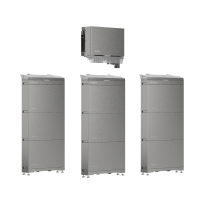
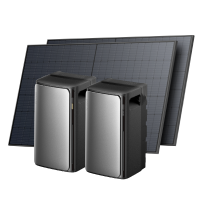
For Aussie households trying to keep long-term power bills down through home energy upgrades, pairing rooftop solar with a dedicated home battery is a practical move. The battery catches your surplus solar from the day and keeps it for the evening and overnight, which lifts your self-consumption nicely. If you’re looking at an integrated setup, residential storage solutions like the EcoFlow OCEAN 2 Plus Single Phase are worth a look. Your panels soak up the sun while you’re out in the middle of the day, and the battery holds onto it. In areas covered by networks like Ausgrid or Endeavour Energy, using that stored solar instead of pulling from the grid during dinner prep, TV hours, and laundry cycles is where the biggest quarterly bill cuts come from.
Energy-Efficient Heating, Cooling and Hot Water Systems
Hot water and heating/cooling can make up nearly half of the average NSW home’s power use. Swap out an old electric resistive cylinder or an inefficient gas storage tank for a high-efficiency air-source heat pump, and you can cut hot water electricity use by up to 70%. And if you’re replacing old wall heaters or ducted gas, a high-efficiency reverse-cycle split system gives you both heating and cooling, with much better performance. Compare the cost of installing air con before choosing a system.
Insulation, Draught-Proofing, Windows and Other Eligible Upgrades
Passive thermal shell improvements lock conditioned air inside the home, cutting heating and cooling loads dramatically before heat pumps even kick on. Eligible improvements often encompass:
Ceiling & Roof Insulation: Installing or topping up batts to reach minimum R-value standards (R4.0 to R6.0).
Draught-Proofing: Sealing perimeter gaps around exterior doors, skirting boards, windows, and unsealed exhaust vents.
Glazing Improvements: Secondary glazing, performance window tints, or double-glazed window retrofits for high-exposure building elevations.
How to Apply for an NSW Home Energy Saver Loan
Before you apply, check which loan options are actually available and whether your planned upgrades qualify. It’s also worth comparing installer quotes and seeing what rebates you can get, so you borrow less overall. Reviewing solar battery cost can help you compare quotes.
Check Your Eligibility and Available Government Discounts
Before you book any home visits, get your residency, property title details, and taxable household income sorted. Then look into the incentives you can stack, like the NSW Peak Demand Reduction Scheme, the Energy Savings Scheme, and the federal SRES for solar. Those upfront discounts bring the total invoice down, so you only borrow the net amount you actually owe.
Choose Eligible Upgrades and a Participating Finance Provider
Work out which parts of your home use the most energy. Then check the panel of participating zero-interest loan providers certified under the NSW program, like Plenti, Brighte, or other approved non-bank lenders. Confirm their specific credit criteria and repayment schedules before you go further.
Get Quotes From Approved Suppliers
Ensure your quotes come from accredited professionals registered under the official scheme panel. System designers and installers must hold current accreditation from Solar Accreditation Australia (SAA)—which superseded the Clean Energy Council (CEC) installer accreditation scheme—and suppliers must be recognized NETCC (New Energy Tech Consumer Code) Approved Sellers. Ask your participating supplier to assess switchboard capacity and roof orientation, and provide an itemised breakdown detailing:
Gross equipment, balance-of-system, and labour costs.
Upfront discount deductions from federal STCs, the NSW Peak Demand Reduction Scheme (PDRS), and the Energy Savings Scheme (ESS).
The net out-of-pocket balance eligible for the interest-free finance package.
Submit Your Loan Application and Arrange Installations
Submit your finance application online with your chosen quote, proof of income, and rates notices. Once credit’s approved, the lender sends you a pre-approval confirmation. Then book the install with your provider. When the system’s commissioned, signed off by a licensed electrician, and connected to your network, you sign off on the work so the loan funds go straight to the installer.

What to Do After Completing Your Energy Upgrades
Once the new gear’s in, keep an eye on how much power you’re actually saving. Little changes to when you run appliances, heat water, or use the air con can make a real difference, especially if you’re on a time-of-use tariff. A compatible home energy ecosystem can help coordinate household energy use.
Track Energy Use and Compare Electricity Bills
Once the upgrades are in, you can see what you’re actually saving by comparing your power bills before and after. If you’ve got compatible systems, a tool like the EcoFlow PowerInsight 2 lets you watch your usage in real time and plan your day around it. Looking at your monthly bills or the dashboard shows your baseload, your solar generation curve, and your daily battery cycles. That makes it easy to spot phantom draws or an appliance that’s playing up.
Adjust Household Energy Use to Maximise Savings
Simple behavioral tweaks compound financial returns under Australian time-of-use tariff structures:
Set Timers for Discretionary Appliances: Run pool filtration pumps, dishwashers, and washing machines during midday peak solar generation (10:00 AM to 2:00 PM).
Pre-Cool or Pre-Heat Your Home: Use reverse-cycle air conditioners during sunny afternoon hours to condition living spaces before peak evening rates take effect.
Optimise Hot Water Timers: Direct your heat pump hot water system to run during peak solar generation via integrated timers or smart relays.
Compare Energy Savings With Loan Repayments
Calculate your quarterly net position by comparing current electricity bills against historic statements from the same season the prior year. If your quarterly power bills dropped by $600 while your zero-interest loan payments run at 150permonth(450 per quarter), your household is cash-flow positive from the opening quarter—effectively building home equity and asset value out of operational utility savings.
Schedule Your Free Consultation Today!
What kind of product or solution are you interested in?
Conclusion
Interest-free financing could make home energy upgrades more manageable for eligible NSW households, particularly when combined with available rebates. Before taking out a loan, compare the full installation cost, expected electricity savings and repayment terms. Whether you're considering solar panels, battery storage or more efficient heating and cooling, choosing upgrades that suit your household's actual energy use will help you get better value over time.
Disclaimer: This article provides general information only and does not constitute financial advice. Government policies, program availability, eligibility criteria, incentives and finance terms may change. Check the latest NSW Government guidance and your chosen finance provider's terms before applying or committing to an upgrade. Approval and savings are not guaranteed.
FAQs
Can you combine green financing with NSW battery and solar rebates?
Yes, eligible upgrades may qualify for multiple government incentives alongside a Home Energy Saver loan. Rooftop solar may receive a discount through the federal Small-scale Renewable Energy Scheme (SRES), while eligible battery installations may qualify for NSW incentives subject to the relevant program requirements. PDRS battery incentives can depend on approved equipment, providers and participation arrangements such as a Virtual Power Plant (VPP). Ask your approved supplier to confirm which discounts apply and show them separately on your quote before calculating the amount to finance.
What happens to the loan if you move house?
These are unsecured or personal credit agreements tied to you, not the property. So if you sell, the balance needs to be paid out in full, usually at settlement.
Is a solar battery worth it in NSW?
With feed-in tariffs sitting around 4 to 8 cents per kWh and peak grid prices over 40 to 50 cents, storing your excess solar for the evening peak gives you a much better return than exporting it.
Does having solar panels and batteries increase home insurance?
Generally, no steep increase. But you do need to tell your insurer so they can adjust your building sum insured. Bumping up your sum insured makes sure the replacement cost of your panels, inverters, and battery is fully covered against severe hail, lightning, bushfires, or structural damage.