Net Zero Meaning: Everything You Need to Know for 2026 (Australia Guide)
Net Zero means balancing the greenhouse gases we emit with those we remove, but in 2026, for Australian households, it’s become much more than a climate concept.
With rising electricity prices and increasing pressure on the grid, Net Zero is now a practical way to cut energy bills, reduce reliance on gas, and take control of your home’s power.
This guide breaks down exactly how the Net Zero transition works in the “Sunburnt Country” and how smart technology is making the journey easier for every True Blue home.
What Is Net Zero? (Definition & Key Concepts)
In simple terms, Net Zero is the point where the greenhouse gases we put into the atmosphere are offset by the amount we take out.
1. What Does Net Zero Mean?
Net Zero means putting no extra emissions into the atmosphere overall. What we add needs to be balanced by what we remove, just like keeping a bathtub from overflowing by matching the water going in and out.
2. Net Zero vs Carbon Neutral vs Zero Emissions
While they sound similar, there are some cheeky differences. Zero Emissions means no carbon is produced at all (like a bike ride). Carbon Neutral often relies heavily on buying offsets to balance the books. Net Zero is the gold standard because it demands deep cuts in actual emissions across the entire supply chain before any offsetting happens.
Why Net Zero Matters for Australia
Living in the Sunburnt Country, we’re on the front lines of climate change. But beyond the environment, going net zero is becoming a savvy economic move for Aussies.
1. Australia’s Climate Commitments
According to the Australian Government Department of Climate Change, Energy, the Environment and Water, Australia aims to reduce emissions by 43% by 2030. This is a significant transition in how our national grid operates.
2. Impact on Households & Businesses
For the average household, this shift means moving away from gas appliances and petrol cars toward “electrifying everything.” Businesses, too, are being pushed to prove their green credentials to stay competitive in a low-carbon economy.
3. Rising Energy Costs
Power prices have been a bit of a shocker lately. As coal plants retire, the transition to renewables can cause price volatility. Transitioning to a Net Zero home is the best way to protect your wallet from the next “bill shock.”
4. Government Policies
From the Small-scale Renewable Energy Scheme (SRES) to various state-based battery rebates, the government is putting its money where its mouth is. These policies make it much cheaper for you to upgrade your home’s energy “IQ.”
How Net Zero Is Achieved
Getting to zero is a strategy involving reduction, replacement, and smart storage.
1. Reducing Emissions
The first step is always efficiency, using less to do more. This means better insulation, LED lighting, and choosing high-star-rated appliances.
2. Offsetting Emissions
For the emissions, we can’t completely eliminate yet (like occasional air travel), we use offsets—investing in projects like reforestation or carbon capture that “cancel out” our footprint.
3. Role of Renewable Energy
In 2026, simply slapping a few solar panels on the roof isn’t enough. The challenge for Aussie homes is that we generate heaps of solar during the day when we’re at work, but we crank the AC and the telly at night when the sun’s gone down. This “solar gap” leads to energy waste and reliance on a pricey grid. This is where energy storage and smart management step in. High-efficiency solar batteries allow you to capture that excess midday sun and save it for the evening peak.
When you pair this with the EcoFlow PowerInsight 2, you get a “cockpit” for your home’s energy. It provides real-time monitoring so you can see exactly where every watt goes, turning your energy usage into a data-driven strategy. This “Generate + Store + Manage” trio is one of the most effective paths for any Aussie home aiming for Net Zero.
.png)
How to Achieve Net Zero at Home (Step-by-Step Guide)
Moving your home toward Net Zero isn’t a weekend DIY project; it’s a strategic transition. Here’s how to systematically turn your “castle” into a carbon-neutral sanctuary in 2026.
What Net Zero Means for Your Home
A Net Zero home produces as much clean energy as it consumes over a year. It’s a self-sufficient, resilient ecosystem that effectively “zeros out” its operational carbon footprint, making it significantly cheaper and more comfortable to run in the long term.
Practical Steps
1. Energy Audit: Find the "Vampires"
Start by identifying where your energy is being wasted. You can do a DIY audit by checking for draughts around windows with an incense stick or reviewing 12 months of bills to spot seasonal spikes. For a professional edge, many Aussie councils now offer “Home Energy Audit Toolkits” (HEAT) for loan, which include thermal cameras to find hidden insulation gaps.
2. Energy-efficient Upgrades: Electrify Everything
The goal is to ditch fossil gas entirely. Swap out old gas cooktops for high-precision induction hobs and replace aging gas hot water units with Hot Water Heat Pumps, which are up to 4x more efficient. In states like Victoria, programs like the VEU are making these swaps incredibly affordable, sometimes even zero-cost upfront.
3. Solar Panels & Battery Storage: The 2026 Power Shift
In 2026, the focus has shifted from “just generating” to “efficiently storing.” Simply exporting solar to the grid for a few cents is no longer a winning strategy.
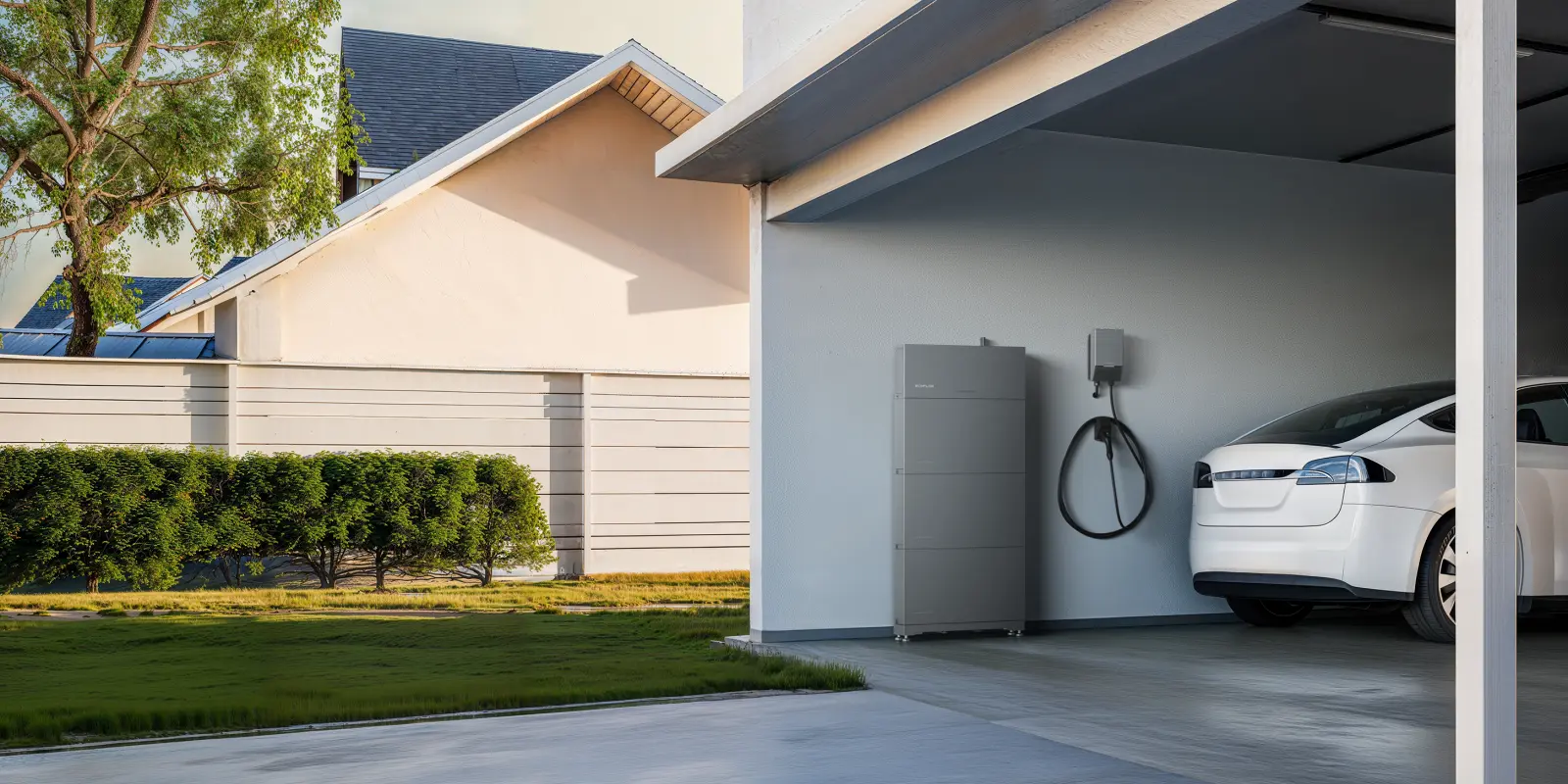
The EcoFlow PowerOcean(Single-Phase) functions as an all-in-one home energy hub, designed to capture every drop of that harsh Aussie sun and store it for when you actually need it—like during the humid 8:00 PM peak. Its modular design allows you to start with a 5kWh stack and grow up to 45kWh as your family’s needs (or your EV charging) increase. It’s solid infrastructure that turns a house into an independent power station.
4. Choosing the Right Capacity for Your Home
| Battery Capacity | Ideal For... | Power Capabilities (Approx.) | Key Benefit |
|---|---|---|---|
| 5kWh - 10kWh | Couples / Modern Apartments | Essential lights, fridge, Wi-Fi, and a few hours of entertainment. | Peak Shaving: Perfect for avoiding those pricey 6 PM electricity spikes. |
| 15kWh - 30kWh | 4-Person Family / Suburban Home | Overnight reverse-cycle AC, dishwasher, and the morning coffee run. | Energy Independence: Drastically reduces grid reliance, even during cloudy spells. |
| 45kWh | Large Estates / EV Owners | Full-home ducted AC, Hot Water Heat Pumps, and rapid EV Charging. | Off-Grid Lifestyle: The ultimate setup to ditch gas bills and run your car on pure sunshine. |
5. Offsetting Unavoidable Emissions
For the tiny fraction of energy you might still pull from the grid during a week of rain, choose an accredited GreenPower plan. By opting for 100% GreenPower through your retailer, you ensure that for every watt you use, an equivalent amount of renewable energy is added to the Australian grid on your behalf.
6. Government Rebates & Financing
Play the System 2026 is a bumper year for incentives. The federal “Cheaper Home Batteries” program currently offers an upfront discount of approximately $311 per usable kWh (though this starts to taper after May 1st, so timing is key!). Combine this with the Household Energy Upgrades Fund, which offers low-interest “Green Loans” for retrofitting, and the financial barrier to Net Zero has never been lower.
Challenges in Achieving Net Zero
While the path is clearer than ever, there are still a few “speed bumps” to be mindful of.
1. High Upfront Investment
Even with rebates, the initial cost of a full solar, battery, and heat pump setup can be a “stinger.” However, with 2026 energy prices, most households are seeing these systems pay for themselves in under 6 years.
2. Technology & Infrastructure
Our aging grid wasn’t built for millions of homes exporting solar. This is why “behind-the-meter” storage (your own battery) is so vital—it takes the pressure off the street’s transformer.
3. The Rental Gap
If you’re renting, you can’t exactly bolt 20 panels to the roof. However, portable power stations and “plug-and-play” solar kits are starting to give renters a way to participate in the Net Zero movement without needing landlord approval for major renos.
Conclusion
Reaching Net Zero in 2026 is a practical reality for any Aussie household looking to take control of their energy future. By transitioning to a comprehensive Home Energy Ecosystem and combining the natural abundance of our sunshine with smart storage solutions like the EcoFlow PowerOcean, we can slash our bills, reduce our footprint, and achieve Net Zero meaning—balancing the energy we consume with the clean energy we generate.
Schedule Your Free Consultation Today!
What kind of product or solution are you interested in?

FAQs
1. Is net zero the same as zero emissions in australia?
No, net zero allows for some emissions as long as they are offset, whereas zero emissions means no carbon is produced at all. Net zero is generally considered a more achievable goal for complex systems like a whole country or a modern home.
2. Is net zero achievable in Australia?
Yes, by combining energy efficiency, rooftop solar, and battery storage, many Australian homes are already reaching net zero. With the right setup, you can generate more than enough power to cover your annual needs.
3. How long will it take to get to net zero?
The physical transition can take a few weeks for installations, but the “carbon payback” (the time it takes for the system to save as much carbon as it costs to make) is usually 1 to 3 years. Financially, most systems pay for themselves within 5 to 8 years.
4. Do I need solar panels to be net zero?
Yes, for a residential home, on-site solar is the most practical and cost-effective way to produce the renewable energy needed to balance your emissions. Without it, you would have to rely entirely on buying expensive off-site offsets.
5. What is Australia doing to reach net zero?
Australia is investing heavily in renewable energy zones, offering household rebates for electrification, and legislating strict emissions targets for 2030 and 2050. The focus is currently on upgrading the grid to handle more wind and solar power.