How Long Does a Car Battery Last in Australia? Lifespan, Signs & Replacement Guide (2026)
You pull into the driveway on a 40°C January afternoon, go to start the car later, and get nothing but click-click-click. Australian weather beats up batteries. Whether you’re in a petrol runabout or a new EV, knowing how long your battery holds up can stop you from getting stuck.
This guide runs through how long a battery lasts in 2026, what local conditions wear them down faster, and how smart home tech is changing the way we keep our vehicles running.
How Long Does a Car Battery Last on Average?
A standard lead-acid car battery in Australia usually lasts three to five years. According to the Australian Automobile Association (AAA), battery lifespan can drop significantly in hot climates. Manufacturers often quote a five-year figure, but out in the sun-drenched states like QLD and WA, you’re often looking at closer to three.
If you’ve switched to an electric vehicle (EV), you’re in a different ballpark. EV batteries typically last eight to 15 years, though these high-capacity units need proper care to get there. Here’s a quick comparison of the most common car battery types and their expected lifespan in Australian conditions:
| Battery Type | Lifespan | Best For |
|---|---|---|
| Lead-acid | 3–5 years | Budget vehicles |
| AGM | 4–6 years | Stop-start systems |
| Lithium | 8–15 years | Electric vehicles (EVs) |
What Affects Car Battery Life in Australia?
How old the battery is matters, but how it’s treated matters more. Australian conditions give batteries a hiding if you’re not careful.
1. Hot Climate & Extreme Heat (The 10°C Rule)
In Australia, heat is the real silent killer. Based on Arrhenius’ Law, every 10°C increase above the optimal 25°C doubles the rate of internal chemical reactions. Simply put: Your battery ages twice as fast for every 10°C jump in heat.
25°C (The Sweet Spot): Expect a solid 5-year lifespan.
35°C (Standard QLD Summer): Life drops to roughly 2.5–3 years.
45°C+ (The “Engine Bay Oven”): Under-bonnet temperatures can hit 70°C, potentially killing a budget battery in just 12–18 months.
This extreme heat causes electrolyte evaporation and grid corrosion, leading to a sudden, irreversible “dead cell” right when you’re headed to the beach.
2. Driving Habits
Short trips around the suburbs, what we call milk runs, do more harm than you’d think. Your alternator needs a decent run, usually 15 to 20 minutes of steady driving, to top up the energy you burn just starting the car. Do too many short hops and the battery never gets a proper charge. Over time, that leads to acid stratification, which drags down performance and shortens its life.
3. Vehicle Type & Electronics Load
Modern cars are essentially computers on wheels. From dash cams and GPS to sophisticated safety sensors, the “parasitic draw” on your battery is higher than ever.
As vehicles become more electrified in 2026, Australians are starting to think beyond just the car battery itself. Energy stability—especially during heatwaves and grid fluctuations—plays a growing role in protecting both home systems and vehicle charging performance.
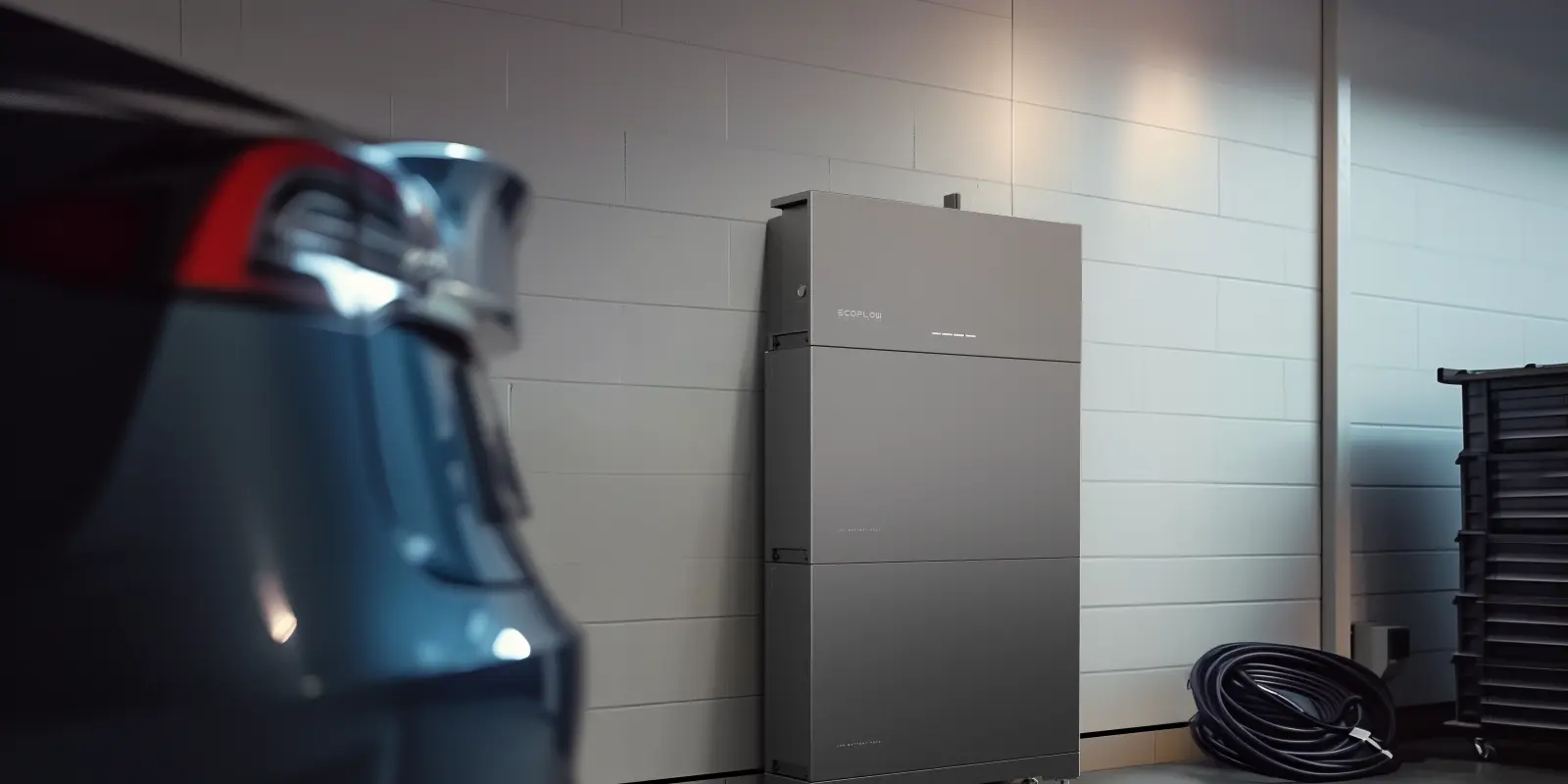
With the shift toward full home electrification, owners are looking beyond just “starting” the car to “total energy security.” In an era of frequent grid fluctuations and heatwaves, a whole-home backup system like the EcoFlow PowerOcean(Single-Phase) has become a game-changer. It doesn’t just power your fridge during a blackout; its stable 6kW output ensures that when you plug your vehicle in, it receives smooth, regulated power. This protects sensitive onboard battery management systems from the “invisible” damage caused by grid spikes, keeping your home and your ride independent and protected.
4. Battery Quality & Brand
Not all batteries stack up the same. Spending a bit more on a reputable brand, one with strong Cold Cranking Amps (CCA) and a decent warranty, usually works out cheaper in the long run than grabbing a no-name budget option that craps out as soon as the temperature hits 35°C.
5. Maintenance & Charging System
A faulty alternator or loose fan belt can lead to chronic undercharging. Regularly checking your charging system ensures the battery isn’t working harder than it needs to.
Signs Your Car Battery Is Dying (And When to Replace It)
Your car usually tries to tell you it’s struggling before it finally gives up the ghost. Learning to “listen” to these signs can save you an expensive tow truck bill.
1. Early Warning Signs
The “Slow Crank”: The engine takes an extra second or two to turn over.
Dimming Lights: Your headlights look a bit yellow or dim at idle but brighten when you rev the engine.
Dashboard Warnings: The battery or “check engine” light flickers intermittently.
2. Serious Signs
The Click of Death: You turn the key (or push the start button) and hear nothing but rapid clicking.
Backfiring: A failing battery can cause intermittent sparks, leading to fuel building up in the cylinders.
Bloated Battery Case: If the battery looks “swollen,” the heat has caused internal damage—replace it immediately.
In 2026, savvy Aussie drivers aren’t just waiting for the car to fail; they’re using data. With the EcoFlow PowerInsight 2, you can monitor your entire home energy circuit, including your EV charger, right from a sleek smart dashboard. It allows you to track energy health just like you check your phone’s battery percentage. By identifying irregular power draws and optimizing charging during peak solar hours or low-tariff periods, the PowerInsight 2 ensures your vehicle is always charging in the “Goldilocks zone”—never overstressed, always ready to go.
.png)
How Much Does a Car Battery Cost in Australia? (2026 Update)
As of 2026, prices have stabilized, but premium tech still commands a premium price.
Standard Lead-Acid: $180 – $350
AGM (Stop-Start Engines): $380 – $650
Lithium (Deep Cycle/Performance): $800 – $1,500+
Note: Always factor in a $20–$50 fitting fee if you aren’t doing it yourself, as many modern cars require “battery registration” via the onboard computer.
How to Extend Your Car Battery Life
While no battery lasts forever, you can push yours toward the five-year mark by following a few simple habits tailored for the harsh Australian climate.
1. Avoid Frequent Short Trips
Starting your car uses a massive burst of energy. Short “milk runs” don’t give the alternator enough time to recharge the battery. Take the “long way home” once a week—a 20-minute run at highway speeds gives your battery the deep drink of power it needs to prevent acid stratification.
2. Park in the Shade or Garage
Under-bonnet heat is a battery’s worst enemy. Intense sun accelerates internal corrosion and fluid evaporation. Use a garage or carport whenever possible; keeping the battery even a few degrees cooler significantly slows down the degradation of its internal lead plates.
3. Drive Regularly
Even when off, modern cars have a “parasitic draw” from alarms and computers. If a vehicle sits idle for weeks, the battery will eventually go flat. Aim for a 30-minute drive every few days to keep the chemistry active and the voltage topped up.
4. Turn Off Electronics When Parked
Running headlights, AC fans, or the radio while the engine is off drains the battery rapidly. Always switch off all accessories before killing the ignition so the battery can focus 100% of its power on the next start.
5. Clean Battery Terminals
Check for white, crusty powder (corrosion) on the terminals, which acts as an insulator and resists electrical flow. Periodically cleaning them with a wire brush ensures a solid metal-to-metal connection for maximum charging efficiency.
6. Test Before Summer
The “Summer Breakdown” is a real phenomenon in Australia. Batteries that struggle through winter often fail during the first 35°C heatwave. Get a quick “load test” at a local shop in November to catch a weak battery before the Christmas road trip season starts.
Many proactive owners are also coordinating these vehicle checks with the maintenance of their home solar batteries, ensuring the entire household energy setup is resilient enough to handle the peak demands of a harsh Australian summer.
Conclusion
You can’t just hope for the best when it comes to car batteries in the Australian climate. Between the scorching heat and the way we drive, you need to stay on top of your battery’s health. As we move through 2026, protecting your vehicle is no longer just about what’s under the bonnet; it’s about how your car fits into a reliable home energy ecosystem. By integrating smart charging and backup solutions like the EcoFlow PowerOcean, you ensure that both your home and your ride remain powered, protected, and ready for the road ahead.
Schedule Your Free Consultation Today!
What kind of product or solution are you interested in?



FAQs
1. Can a car battery last 10 years?
Standard lead-acid batteries almost never last 10 years, though high-quality EV lithium-ion batteries frequently exceed a decade of use. For a normal internal combustion engine, 3–5 years is the realistic limit.
2. Do car batteries give warning before dying?
Yes, usually through slow engine cranking, dimming headlights, or electronic glitches in the cabin. If your car feels “sluggish” to start, the battery is likely on its last legs.
3. Does extreme heat damage car batteries?
Absolutely, heat is the primary cause of battery failure in Australia as it evaporates internal fluids and speeds up internal corrosion. It is significantly more damaging to a battery’s lifespan than cold weather.
4. Should I replace my battery before a road trip?
If your battery is over three years old and showing any signs of weakness, replacing it before a long trip is highly recommended. There’s nothing worse than being stuck at a remote lookout in the Outback with a dead cell.
5. Does turning on location affect battery life?
In a modern car, GPS and location services have a negligible impact on the 12V battery while the engine is running, but “always-on” tracking apps can cause a minor parasitic drain when parked for long periods.
6. What shortens car battery life in Australia?
The combination of extreme heat, frequent short trips, and the high electrical load from modern accessories are the biggest factors. Lack of regular maintenance also plays a huge role in premature failure.