Household Solar Power in Australia: System Size, Costs & Savings
Many Australian homes install solar systems in the 6.6 kW to 10 kW range, with typical out-of-pocket costs varying by system size, location, equipment and the value of applicable Small-scale Technology Certificates (STCs). Potential savings depend on household electricity use, solar self-consumption, retail rates and whether battery storage is included, with payback periods varying significantly between homes.
This guide breaks down typical solar system sizes for Australian households, upfront costs before and after applicable STC discounts, potential savings, and practical ways to make better use of each kilowatt-hour generated.
Key Takeaways
6.6 kW remains a common system size, while 10 kW to 13.3 kW systems can suit households with higher electricity demand, particularly those planning for an EV or heat pump.
STCs can reduce the upfront cost of an eligible solar installation, with the value depending on factors such as system size, location, installation year and certificate prices.
Self-consumption can be important to solar savings: with some feed-in tariffs around 3–7c/kWh, using more solar electricity at home may provide greater value than exporting the same electricity to the grid.
Battery storage can extend the use of daytime solar into the evening, helping households use stored electricity when solar generation is unavailable and providing backup during outages when the system is designed for backup operation.
What Solar System Size Does Your Home Need?
Choosing the right system size depends on daily electricity use, roof space and layout, and the appliances or electrical loads you may add in the future. Rather than focusing only on inverter size, modern system design considers household demand, available roof space, network requirements and how much solar generation can be used or exported.
6.6–10 kW Systems For Lower-Use Homes
For smaller single-level properties, downsizers, or working couples using around 12 to 20 kWh per day, a 6.6kW solar system or a larger array up to 10 kW can be a practical starting point. A 6.6 kW solar array paired with a 5 kW inverter remains a common configuration, although the right combination depends on the local network rules, roof space and household demand. It can help cover daytime loads such as refrigeration, pool pumps and other household appliances without requiring a larger system than necessary.
10–13.3 kW Systems For Average Homes
Busy family routines can create higher electricity demand. Between frequent washing, ducted reverse-cycle air conditioning, dishwashers, and multiple household devices, daily usage can reach 20 to 35 kWh or more, depending on the home. A 10 kW to 13.3 kW system can provide additional generation capacity for higher-use households, although actual output varies with weather, roof orientation, shading and system design.
13 kW+ Systems For High-Use Homes
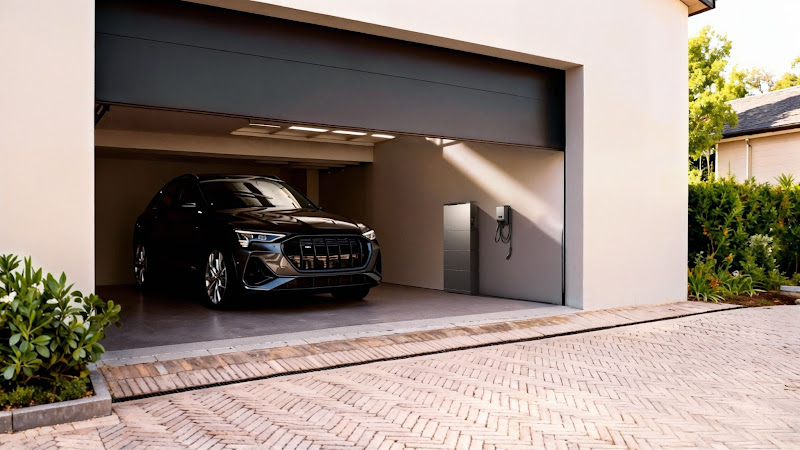
Larger regional properties, double-storey homes, or households moving more appliances from gas to electricity may benefit from a larger solar array. If your garage has an EV charger, your home includes a heated swimming pool, or you use ducted heat pumps during Tasmanian or Canberra winters, a 13 kW+ system may provide additional generation capacity to help offset higher electricity demand.
How Much Does Household Solar Cost in Australia?
Rooftop solar pricing varies across states and regions due to installation complexity, local installer pricing, equipment choices and grid requirements. Eligible systems can also receive support through the federal SRES, which can reduce the upfront cost of an installation.
Solar System Costs by System Size
Under the federal SRES, eligible solar installations can generate Small-scale Technology Certificates (STCs). In many installations, the installer or retailer factors the value of the STCs into the upfront system price or discount offered to the customer.
| System Size | Approx. Panels at 440W | Indicative Installed Cost |
|---|---|---|
| 6.6 kW | 15–16 | $5,500 – $9,000 |
| 8.5 kW | 19–20 | Around $7,000 – $11,000 |
| 10 kW | 22–23 | $8,000 – $13,000 |
| 13.3 kW | 30–31 | $10,000 – $15,000 |
Note: Figures are indicative of professionally installed systems using established panel and inverter brands. Actual STC values vary according to system capacity, postcode, installation year and certificate market conditions.
Solar Installation and Electrical Costs
While straightforward tin or tile roofs rarely require added labour, complex roofs can increase the final quote. Extra expenses frequently stem from:
Switchboard upgrades: Older properties with ceramic fuses, outdated switchboards or limited space for required protection devices may require electrical upgrades, with costs varying by the existing installation and the work involved.
Multi-storey access and split arrays: Two-storey tile roofs, steep pitches, split roof planes or significant shading can increase installation complexity and may influence the choice of microinverters, optimisers or other system components.
Specialised mounting hardware: Specialised mounting hardware, such as Klip-lok clamps or tilt frames, may also add to installation costs on certain roof types.
Battery Storage Costs
Home battery systems have become more affordable in recent years, but installed costs still vary widely. When estimating solar battery cost, it is important to consider the battery capacity, brand, installation requirements and whether backup equipment is included. A fully installed lithium iron phosphate (LFP) battery can vary substantially in price depending on these factors. For a 10–15 kWh system, installed costs can reach several thousand dollars beyond the battery hardware itself, so current local quotes should be used when estimating the total project cost.
How Much Can Household Solar Save on Electricity Bills?
The amount you save depends not only on how much electricity you export, but also on how much of your solar generation you use at home, your retail electricity rate, your feed-in tariff and your overall consumption pattern. For households considering solar battery storage, the potential savings also depend on how much surplus solar can be stored and later used instead of purchasing electricity from the grid.
Average Annual Electricity Bill Savings
Australian households paying around 30c to 45c/kWh for electricity may see substantial bill reductions after installing solar, although the result varies by retailer, tariff, system size and household consumption. For a typical suburban home without a battery, annual savings can vary considerably depending on system size, solar generation, household self-consumption, retail electricity rates and feed-in tariffs. Adding a battery and shifting more electricity use into solar-generation hours can increase the proportion of household electricity demand met by the solar system, but savings vary considerably between homes.
Savings By Solar System Size
6.6 kW Array: Can provide around $1,100–$1,600/year in bill savings under favourable conditions, particularly where a reasonable share of solar generation is used during the day.
10 kW Array: Can provide greater bill savings in some higher-use households, particularly where daytime heating, cooling or pool equipment allows more solar generation to be used directly in the home.
13.3 kW Array: May provide greater bill savings in higher-consumption households when sufficient daytime loads or battery storage allow more of the additional solar generation to be used on site.
Solar Payback Period
Solar payback periods in Australia can be relatively short, but they vary significantly by location, system size, electricity tariffs, solar generation and household consumption. A 6.6 kW or 10 kW panel-only system may achieve payback within several years in favourable conditions, while some locations and usage patterns can result in longer periods. Adding a home battery generally increases the upfront cost and can extend the combined system payback period, although the outcome depends on battery pricing, electricity tariffs, feed-in rates and how much stored electricity is used.
Long-Term Solar Savings
Many modern solar panels come with long performance warranties, often around 25 years, while panel service life can extend to 20–30 years depending on the product and operating conditions. Over a 20-year period, total savings will depend on system cost, electricity prices, solar generation, self-consumption, maintenance and any inverter replacement costs. A long-term financial estimate should therefore be based on the specific system and household rather than a fixed national savings figure.
How Can You Maximise Your Savings?
Installing panels is only part of the process. Because feed-in tariffs can be relatively modest in some Australian markets, maximising the value of solar often means paying attention to when electricity is generated, consumed and exported.
Adjusting Energy Use To Match Solar Generation
Solar generation is generally highest around the middle of the day, although the exact peak depends on the system’s orientation, location, weather and season. Shifting flexible electricity use into periods of strong solar generation can reduce the amount of electricity purchased from the grid later in the day. Programming hot water systems, dishwashers and pool pumps to operate during suitable daylight periods can help increase solar self-consumption.
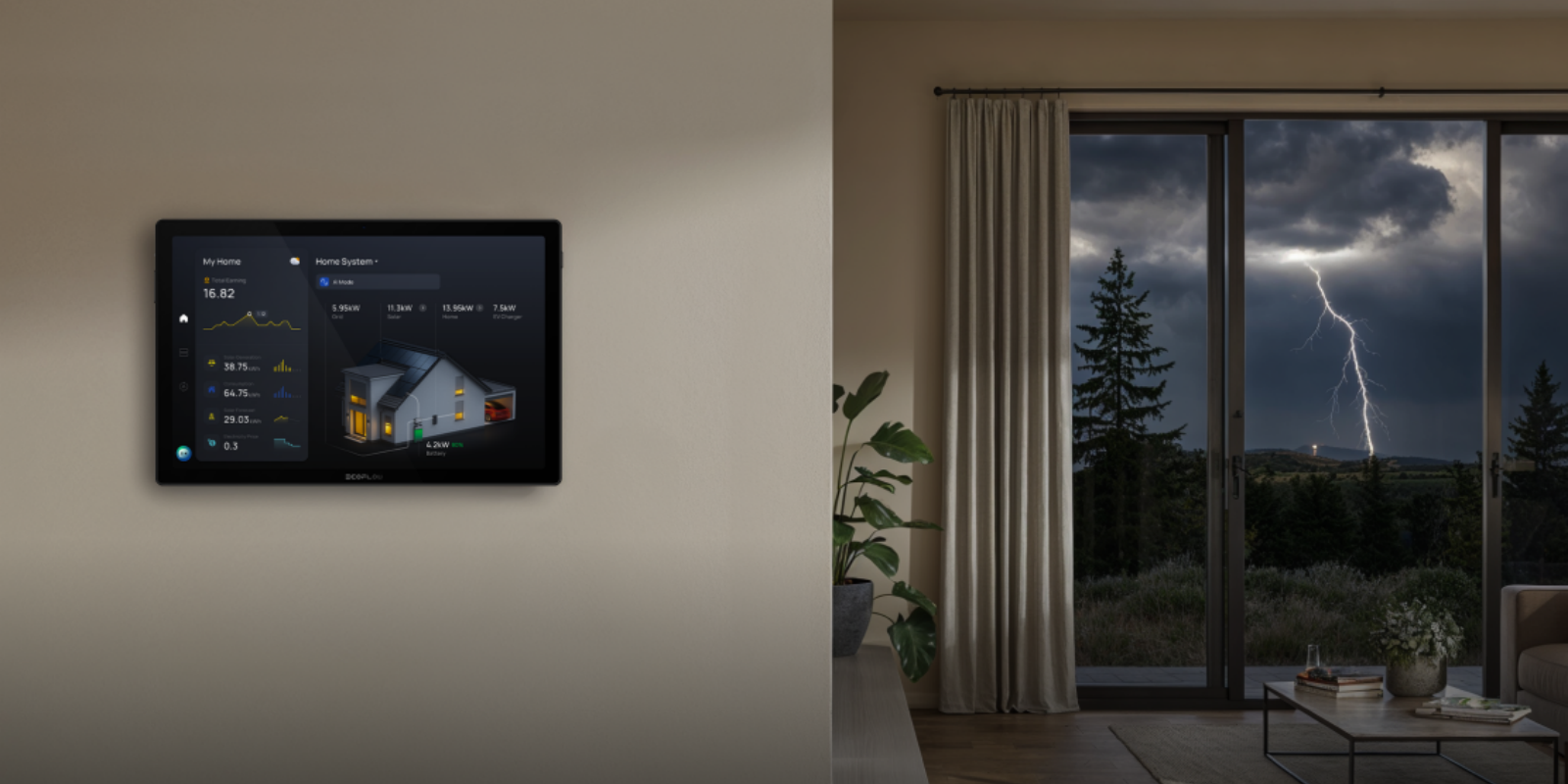
Staying on top of these generation spikes is much simpler when you have clear visibility over what your roof is doing in real time. EcoFlow PowerInsight 2, equipped with an intuitive 11-inch touchscreen, displays live solar generation, household energy draw, and battery storage levels at a glance. Instead of guessing whether an afternoon cloud cover just knocked your generation down, a quick glance at the display lets you decide the best moment to switch on the washing machine or start a high-draw air conditioning cycle.
Storing Solar Energy For Later Use
Even with careful appliance scheduling, many households cannot use all the electricity generated during a sunny afternoon. Surplus electricity may be exported to the grid at a relatively low feed-in tariff, while the household may later need to purchase electricity during the evening when solar generation is unavailable.
The EcoFlow OCEAN 2 Plus Single-Phase storage system bridges that gap by soaking up daytime surplus and holding it until the evening price spike hits. Its stackable design makes it straightforward to scale your capacity up to 60 kWh, giving you plenty of room to expand as you integrate electric vehicles, induction cooktops, or high-capacity heat pumps down the track.
Exporting Excess Solar To The Grid
Once your household loads are met and available battery capacity is used, remaining solar generation may be exported to the distribution grid. Feed-in tariffs vary by state, retailer and electricity plan; in some mainland markets, rates around 3c to 7c/kWh are available, while other plans and regions can differ. Comparing retailers can help households assess the combined effect of feed-in rates, usage rates and daily supply charges.
What Should You Consider Before Going Solar?
Every roof and electrical setup brings its own quirks. Reviewing these structural and regulatory factors before signing a contract will help sidestep surprise installation fees.
Electrical System Compatibility
Start by checking your main switchboard. Older homes may have ceramic fuses, older switchboards or other electrical equipment that needs upgrading before a new solar system can be connected. It is also worth confirming whether your home has single-phase or three-phase power, as this can affect inverter selection, system design and grid export requirements.
Roof Space And Solar Potential
Roof orientation and shading can have a significant effect on real-world solar generation:
North-facing arrays can provide strong overall daily generation across the year in many parts of Australia, although the optimal orientation depends on location, roof design and household consumption patterns.
West-facing panels can generate more electricity later in the day, which may help increase solar use during afternoon and early-evening periods.
East-facing panels can provide stronger generation earlier in the day, which may suit households with higher morning electricity use.
Minimise significant shading from mature gum trees, neighbouring two-storey buildings or roof structures where possible. Where intermittent shading is unavoidable, microinverters or optimisers may help manage differences in panel output, depending on the system design.
Local Grid Connection Requirements
Your local Distributed Network Service Provider (DNSP)—such as Ausgrid, Endeavour Energy, Energex, Powercor or SA Power Networks—sets connection requirements and limits that can affect inverter capacity and solar export:
Single-Phase Homes: Export and inverter limits vary by DNSP and connection type. Some basic connections use a 5 kW export limit, while certain dynamic connection arrangements can allow higher export limits subject to network conditions.
Flexible Exports: Some networks, including SA Power Networks, use dynamic export arrangements that adjust export limits according to available network capacity. In South Australia, Flexible Exports can allow export limits of up to 10 kW per phase, subject to network conditions and system requirements.
System Expansion And Battery Storage
One common planning issue is choosing a system with limited room for future expansion. If an EV or an all-electric kitchen is part of your five-year plan, consider whether a battery-ready hybrid inverter or modular storage architecture would suit your needs. Options such as an EcoFlow Solar Battery can be considered when planning future storage capacity, although compatibility should be confirmed with the installer before purchase.
Schedule Your Free Consultation Today!
What kind of product or solution are you interested in?


Conclusion
For many Australian homes, a 6.6 kW solar system can provide substantial daytime generation, while homes with higher electricity demand may consider a 10 kW or larger system. Adding battery storage can help households use more of their solar generation after sunset. The EcoFlow OCEAN 2 Plus can store surplus solar energy for later use, while PowerInsight 2 helps monitor household generation and consumption. Matching electricity use with solar generation can reduce the amount of electricity purchased from the grid.
Disclaimer: The costs, savings, payback periods, feed-in tariffs and system-size examples in this article are indicative only and may vary by location, retailer, installer, system design, household electricity use and market conditions. STC eligibility and value, as well as grid connection and export requirements, may also change over time. Check current local requirements and obtain a professional quote before making a purchase or installation decision.
FAQ
Is Solar Power Worth It For Australian Homes?
Residential solar can provide significant electricity bill savings, but the financial return varies by system cost, location, electricity tariff, solar generation and household consumption. STC discounts can reduce the upfront cost of eligible systems, while the payback period depends on how much solar electricity is used at home and how much is exported. In favourable conditions, some systems can achieve payback within several years, while others take longer.
Do Solar Panels Work During Power Outages?
Standard grid-connected solar systems generally shut down during power outages because of anti-islanding safety requirements. To keep selected appliances such as lights, refrigerators and Wi-Fi running during an outage, the solar system needs to be specifically designed and configured for backup operation. A battery can provide backup power, but not every battery system supports backup functionality.
Do I Need A Battery With My Solar System?
No, a battery is not mandatory. A panel-only system can cover some or much of a household’s daytime electricity demand, while a battery can store surplus solar generation for use later in the day. Whether a battery is financially worthwhile depends on the system cost, electricity tariffs, feed-in rates and how much stored electricity the household can use.
How Long Do Solar Panels Last In Australia?
Many modern solar panels have a service life of around 20 to 30 years, with performance warranties commonly covering 25 years. The guaranteed output level varies by manufacturer and model; many products specify around 80% or more of the original rated output toward the end of the performance warranty period.
How Many Solar Panels Does A Four-Bedroom House Need?
A four-bedroom Australian home may use around 20 to 24 panels, which equates to roughly an 8.8 kW to 10.6 kW system when using 440 W panels. However, the appropriate system size depends more on annual electricity consumption, roof space, orientation, shading and future electricity demand than on the number of bedrooms alone. A system in this range may provide substantial generation for household appliances, air conditioning and hot water loads, while battery or EV charging requirements should be considered separately.