Home Cooling and Household Energy Costs: How Cooling Systems Affect Electricity Bills
Australian summers can put a noticeable strain on household electricity use. Once temperatures climb into the high 30s, air conditioners may run for hours at a time, especially in homes with poor insulation or large open-plan living areas. The result often shows up on the next quarterly power bill.
The actual cost depends on several factors, including the type of cooling system, its energy efficiency, your thermostat setting, daily operating hours and electricity tariff. This guide explains how much different cooling options typically use, shows you how to estimate running costs and shares practical ways to stay comfortable while using less power.
Key Takeaways
Air conditioning can add to summer power bills. Running a system for long periods during hot weather increases electricity use.
Cooling options use different amounts of power. Ceiling fans and evaporative coolers generally use less electricity than split or ducted air conditioning, but their performance depends on the climate.
A few changes can reduce cooling demand. Set the thermostat to around 24°C to 26°C, shade windows and use fans to help your air conditioner work less.
Your home affects how much cooling you need. Insulation, window orientation, room size and draughts all influence energy use.
Track your household’s energy use. The EcoFlow PowerInsight 2 displays electricity consumption, solar generation and battery activity in real time.
Use stored solar power after sunset. A home battery can supply some of your evening cooling needs and reduce the amount of electricity you draw from the grid.
How Much Electricity Do Home Cooling Systems Use in Australia?
Cooling costs vary with your climate, home design, system efficiency and daily usage. A small split system may add only a few dollars a day, while ducted air conditioning can use much more when several zones run together.
Average Household Cooling Electricity Consumption
Heating and cooling make up a significant share of household energy use in Australia. During summer, air conditioning drives much of the extra demand in Queensland, Western Australia and the Northern Territory. A medium split system may draw around 1.2 to 2.5 kW while operating, although inverter models use less power after reaching the set temperature. Larger ducted systems can consume considerably more, especially when cooling multiple rooms.
Seasonal Patterns in Cooling Electricity Use
Electricity use often climbs over summer, especially during heatwaves. Inland areas can have several hot days in a row, while coastal cities may see shorter bursts of high demand. If your plan has time-of-use rates, running the air conditioner through the afternoon and evening can also cost more during peak periods.
What Factors Affect the Running Costs of Home Cooling Systems?
Running costs depend on more than the air conditioner itself. Efficiency, home design, outdoor temperature, usage habits and electricity rates all affect the final bill.
Cooling System Efficiency and Energy Ratings
Australia’s Zoned Energy Rating Label compares cooling performance across different climate zones. Newer inverter models adjust compressor speed as conditions change, so they generally use less power than older fixed-speed units. When comparing systems, check the rated input power and seasonal efficiency, rather than cooling capacity alone. A larger unit does not always cost more to run if it operates more efficiently. If you’re choosing a new system, consider the cost of installing an air con alongside its expected electricity use to assess both upfront and ongoing expenses.
Room Size, Home Insulation and Heat Gain
Poor insulation, unsealed gaps and unshaded windows allow more heat into the home, making the air conditioner work harder. Room size matters too. A small split system may efficiently cool one bedroom but struggle to maintain a comfortable temperature in a large open-plan area.
Thermostat Settings and Daily Cooling Hours
A lower thermostat setting can increase electricity use. In many Australian homes, 24°C to 26°C is a comfortable range that can help manage running costs. Turn off the air conditioner in rooms or zones you’re not using.
Electricity Rates and Time-of-Use Plans
Your electricity plan affects what you pay to run the air conditioner. A flat-rate plan charges the same usage rate throughout the day; a time-of-use plan charges different rates at different times, with peak rates often applying in the afternoon or evening. Check your latest bill or contact your retailer to confirm your rates and peak periods. For households looking to reduce reliance on grid electricity during expensive periods, comparing solar battery cost can help assess whether storing surplus solar power is worth the upfront investment.

How Do Different Home Cooling Options Compare in Running Costs?
Each cooling method has different strengths. The most economical option depends on the size of the area, the local humidity and whether you need to cool one room or the whole house.
Split-System Air Conditioners
Split systems are Australia’s most popular cooling choice, consisting of an indoor wall-mounted unit paired with an outdoor compressor. They offer outstanding zone control, enabling you to cool just the master bedroom or the main living area. High-efficiency reverse-cycle split systems are remarkably cheap to run per room, typically consuming between 0.8 kWh and 2.0 kWh per hour of continuous operation.
Ducted Air Conditioning
Ducted systems cool entire homes via ceiling vents connected to a central indoor fan coil and a heavy-duty outdoor unit. While they offer seamless aesthetic integration and whole-house climate control, their power draw is substantial—ranging from 3.5 kW to 9.0 kW or more when running unzoned. Even with automated zone dampers, cooling multiple rooms simultaneously makes ducted systems the priciest option to run during sweltering summers.
Evaporative Coolers
Evaporative systems draw outside air through wet filter pads, cooling the air via water evaporation and venting it through open doors and windows. They are common in dry, hot inland climates like Adelaide, Albury-Wodonga, and Perth. Because they rely primarily on a small water pump and fan motor, their electrical draw is minuscule (often just 0.2 to 0.7 kWh per hour). However, they are virtually ineffective in humid coastal regions like Brisbane or Darwin and consume significant amounts of water during peak summer.
Ceiling Fans
Ceiling fans do not lower room temperatures; instead, they create a convective wind-chill effect on the skin that makes rooms feel 2°C to 3°C cooler. Drawing a negligible 30 to 70 watts, a ceiling fan costs just a few cents per day to run. Using fans alongside an air conditioner lets you dial the AC thermostat up to 25°C or 26°C while enjoying the exact same perceived comfort level.
Cooling System Comparison Table
| Cooling System | Typical Electrical Draw | Estimated Hourly Cost (@ 32c/kWh) | Key Cost Drivers | Best Suited For |
|---|---|---|---|---|
| Ceiling Fan | 30W – 70W (0.03 – 0.07 kW) | $0.01 – $0.02 / hr | Fan speed, run time | Bedrooms, mild days, pairing with AC |
| Evaporative Cooler | 200W – 700W (0.2 – 0.7 kW) | $0.06 – $0.22 / hr | Fan motor size, water tariff rates | Dry, low-humidity climates (e.g., SA, Inland NSW/VIC) |
| Small-to-Medium Split System (2.5kW – 5kW Cooling Capacity) | 600W – 1,500W (0.6 – 1.5 kW) | $0.19 – $0.48 / hr | Energy rating, room insulation, set temp | Individual bedrooms, study, medium living areas |
| Large Split System (7kW – 9kW Cooling Capacity) | 1,800W – 2,800W (1.8 – 2.8 kW) | $0.58 – $0.90 / hr | Open plan layout, ceiling height, outdoor heat | Large open-plan kitchen and family rooms |
| Whole-Home Ducted AC | 3,500W – 8,000W (3.5 – 8.0 kW) | $1.12 – $2.56 / hr | Number of active zones, duct insulation, peak tariffs | Large multi-room homes requiring uniform cooling |
How to Calculate Your Home Cooling Electricity Costs
You can estimate cooling costs with three figures: the system’s electrical input, daily operating hours and electricity rate.
Estimate Cooling System Power Consumption
Check the rating label on the outdoor unit or refer to the product manual. Use the electrical input power, not the cooling capacity. For example, a system may provide 5.0 kW of cooling while drawing 1.3 kW from the mains.
Calculate Electricity Use in Kilowatt-Hours
Use this formula:
Electricity use (kWh) = input power (kW) × operating hours
An inverter system may use less than its rated input after reaching the set temperature. For a simple estimate, you can assume it runs at around 60% to 75% of its rated input power on average.
Calculate the Running Cost
Use this formula:
Running cost ($) = electricity use (kWh) × electricity rate ($/kWh)
Worked Example: Daily and Monthly Cooling Costs
Suppose a family in Western Sydney runs a 5.0 kW reverse-cycle split system for eight hours a day. The unit has a rated electrical input of 1.3 kW and operates at an estimated 70% average load.
Average power draw: 1.3 kW × 70% = 0.91 kW
Daily electricity use: 0.91 kW × 8 hours = 7.28 kWh
Electricity rate: $0.34 per kWh
Daily running cost: 7.28 kWh × $0.34 = $2.48
Monthly running cost: $2.48 × 30 days = $74.40
For comparison, a large ducted system operating in a modulated state (such as active zoning or an inverter maintaining temperature rather than running at full 7–8 kW compressor capacity) might draw an average of 3.2 kW. Over eight hours at the same $0.34 per kWh rate, it would cost about $8.70 per day, or $261.12 per month.

How to Reduce Cooling Costs Without Sacrificing Comfort
A few practical changes can cut your summer power use without making home less comfortable. Keep the heat out, cool only the rooms you’re using and make the most of your solar power.
Improve Insulation and Reduce Heat Gain
Unshaded windows and poor ceiling insulation let heat build up inside. Close blockout curtains during the day, or add external awnings or shutters to block direct sun. Seal gaps around doors and improve ceiling insulation to help keep cool air in. Reducing heat gain can also help households make better use of solar battery storage by lowering the amount of electricity needed for cooling.
Use Fans, Shading and Natural Ventilation
Keep windows and blinds closed during the hottest part of the day. When temperatures fall, open windows on opposite sides of the home to encourage cross-ventilation. Ceiling fans can improve comfort and allow you to set the air conditioner a little higher.
Set a Comfortable Temperature and Cooling Schedule
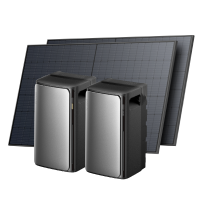
Set your air conditioner to around 24°C to 26°C to balance comfort and energy use. Shut doors to rooms you’re not using, and cool your home while your rooftop solar is generating. Households looking to make better use of their solar generation can also explore the EcoFlow solar battery as part of their home energy setup. This can reduce the amount of grid electricity you use later in the day, depending on your energy needs and system configuration.
Keep Track of Household Energy Use
Check when your household uses the most electricity so you can adjust your cooling routine. The EcoFlow PowerInsight 2 displays household energy use, solar generation and battery activity on an 11-inch touchscreen, helping you see how much power is available.
Use Solar and Battery Storage to Run Your Air Conditioner
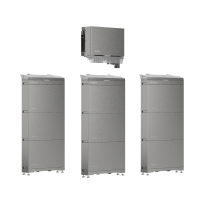
Rooftop solar can run your air conditioner during the day, but you may still need cooling after sunset. A home battery can store surplus solar energy for later use and reduce the amount of electricity you buy from the grid. In its specified configuration, the EcoFlow OCEAN 2 Plus Single Phase supports storage of up to 96 kWh per inverter, making it an option for households with larger solar systems or higher energy use.
Schedule Your Free Consultation Today!
What kind of product or solution are you interested in?
Conclusion
Cooling costs depend on more than the air conditioner itself. The system’s efficiency, the size and insulation of the home, thermostat settings, operating hours and electricity tariff all contribute to the final bill. Start with the changes that are easiest to control: shade sunny windows, use fans in occupied rooms, keep the thermostat around 24°C to 26°C and avoid cooling empty areas. Energy monitoring can show where electricity is being used, while solar and battery storage may help reduce reliance on higher-priced grid power during the evening.
FAQs
Is It Better to Repair or Replace an Air Conditioner?
Repair may be the better option if the fault is minor and the system is relatively new. If the unit is around 10 to 15 years old, needs frequent repairs or has a major fault such as a failed compressor, compare the repair quote with the cost of a replacement. Also check the new unit’s Zoned Energy Rating Label and estimated running costs for your climate zone before you decide.
Are There Rebates for Home Batteries in Australia?
Australia offers several incentives that may help reduce the upfront cost of a home battery. The Australian Government’s Cheaper Home Batteries Program, introduced on 1 July 2025, provides a discount on eligible battery systems connected to new or existing rooftop solar through an expanded Small-scale Renewable Energy Scheme (SRES). Some state and territory governments also offer additional incentives, which may include battery rebates, financing options or Virtual Power Plant (VPP) incentives. As incentives and eligibility criteria can change, check the Australian Government’s official program guidance and your state or territory government’s energy website before budgeting for a rebate.
How Efficient Is a 20-Year-Old Air Conditioner?
A 20-year-old air conditioner will often use more electricity than a modern unit, but the difference depends on its type, condition, size and use. Rather than relying on a general percentage, compare its energy use with the estimated annual consumption on a new model’s Zoned Energy Rating Label.
How Much Can a Home Battery Save on Air Conditioning?
A home battery can store excess solar power generated during the day for use later, including when you run the air conditioner in the evening. Your savings depend on your solar output, battery size, electricity plan and cooling needs. Check your bill for your peak times and rates, as these vary by retailer and location.
How Long Do Air Conditioners Last in Australia?
Many air conditioners last around 10 to 15 years, although usage, installation and maintenance all affect their lifespan. Coastal salt air and hot, dusty conditions can put extra strain on a system. Regular servicing and cleaning the filters can help keep it running well.