How Home Energy Storage Works: The Easy, No-Jargon Guide
The Australian energy market has changed significantly in the past few years. Feed-in tariffs have dropped to as little as 5 cents per kWh in many states. Grid electricity costs have pushed past 30 cents. Solar households that export in the morning and buy back in the evening are paying for the same energy twice. The gap between those two prices keeps widening.
Home energy storage can help change that math. A battery stores what the solar panels produce during the day and releases it after dark, when the household actually needs it. More than 250,000 Australian homes have now installed a battery system, accelerated by the federal Cheaper Home Batteries Program that launched in mid-2025.
This guide explains how home energy storage works, what to look for when comparing systems, and what a modern storage solution looks like in practice.
What is home energy storage?
Home energy storage is a system that captures electricity, holds it, and releases it when needed. The most common form today is a lithium battery installed alongside rooftop solar panels.
Three components make up every residential home energy storage setup:
The battery is where energy is held. Modern home batteries use lithium iron phosphate (LFP) cells. They store electrical energy in chemical form and release it through a controlled discharge. LFP chemistry features heat-resistant battery cells suited to local summer temperatures. Also, LFP batteries also tend to last longer and retain capacity better over thousands of charge cycles.
The inverter converts power between formats. Solar panels and batteries produce direct current (DC). Home appliances and the grid run on alternating current (AC). The inverter handles the conversion in both directions. A hybrid inverter manages solar panels, the battery, and the grid connection simultaneously from a single unit.
The Energy Management System (EMS) is the brain. It monitors solar generation, household demand, battery state, and grid pricing. It decides when to charge the battery, when to discharge it, and when to draw from the grid. A good EMS does all of this automatically.
Battery storage for homes is one of the fastest-growing segments of Australia's energy transition. Uptake is being driven by falling battery prices, rising grid costs, and the federal rebate scheme.
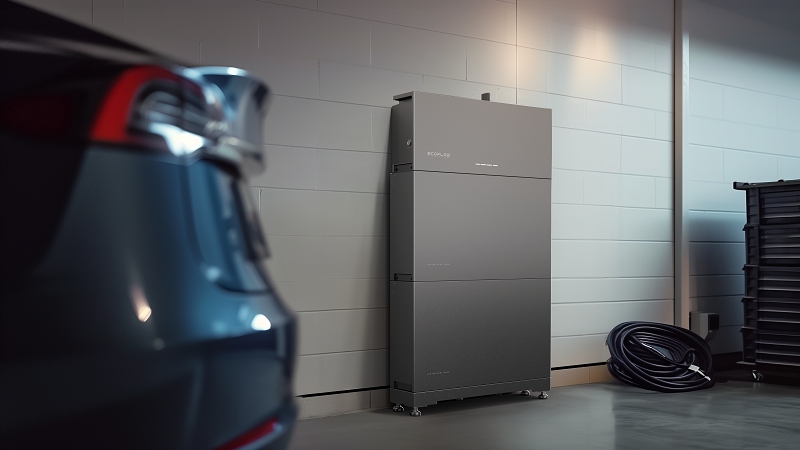
How does home energy storage work?
The operating cycle of home energy storage solutions runs the same way every day. Its three stages are explained in order below:
Charging happens during daylight hours when solar panels produce more electricity than the household is using. Normally that surplus would export to the grid at a low feed-in rate. With a battery in place, it goes into the battery instead. The EMS monitors how much solar is available and how much the home needs, directing the surplus accordingly.
Storing is the holding phase. The battery sits fully charged, waiting for demand to shift. LFP cells hold their charge with minimal self-discharge. The battery is not doing any active work during this phase. It is simply maintaining the chemical state that allows it to release energy on demand.
Discharging starts when solar generation drops off in the late afternoon. The household begins drawing on stored energy instead of the grid. Lights, appliances, air conditioning, and EV charging all run from the battery. The grid only comes into play once the battery is depleted.
On a time-of-use tariff, the system adds another layer. The EMS reads the tariff schedule and makes sure the battery is fully charged before the evening peak window begins. It holds back until rates peak, then discharges. This timing directly reduces the amount the household pays for grid electricity.
During a blackout, systems with backup capability switch to islanded mode in milliseconds. The battery supplies the home independently of the grid until supply is restored.
The major benefits of investing in energy storage for home
Investing in a home battery can increase energy independence, reduce electricity costs, improve backup power resilience, and maximize renewable energy use.
Reduced electricity costs
The core financial case is simple. Store cheap solar, use it instead of expensive grid power. Every unit of solar used on-site saves the gap between the feed-in tariff and the retail rate. In most Australian states, that gap sits around 20 to 25 cents per kilowatt-hour. A well‑sized battery running daily can help reduce quarterly electricity costs, depending on household usage and tariffs.
Backup power during outages
Summer storms, bushfires, and heatwave-related grid stress all cause outages across Australian regions. A battery with backup switching can support essential loads such as lighting and refrigeration during outages, depending on system configuration. The switchover happens in milliseconds.
Greater energy independence
A household generating and storing its own electricity is less exposed to retail price movements. When the grid rate rises, the battery-backed solar household is partially insulated. Over the life of a system, that independence compounds.
Maximising renewable energy use
Without storage, a solar home that is empty during the day exports most of its generation to the grid for minimal return. Battery storage captures that generation on-site and uses it when the household actually needs power. Self‑consumption rates can rise from around 30–40% without storage to significantly higher levels with a correctly sized battery.
Virtual Power Plant participation
Some Australian energy retailers and network operators run VPP programs that pay battery owners for access to stored energy during high-demand grid events. A battery already reducing daily bills can also earn additional credits through VPP participation. The energy.gov.au battery storage page outlines current programs and eligibility by state.
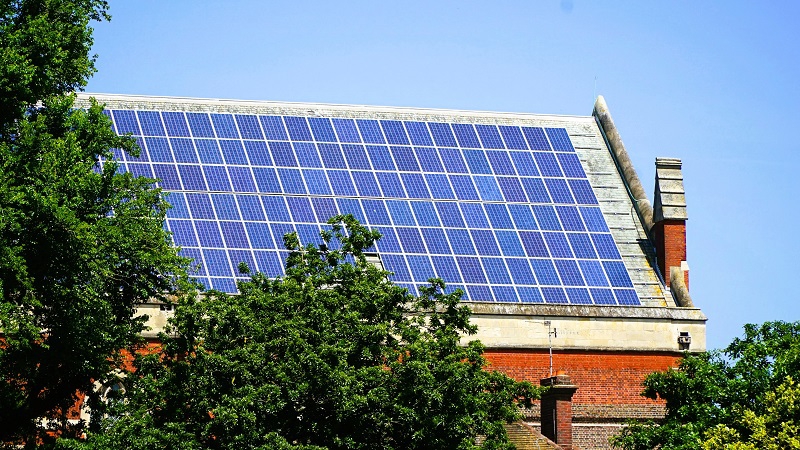
With these tangible benefits in mind, homeowners need to evaluate several key technical specs before picking a battery system that matches their lifestyle.
What to look for when choosing a home battery?
There is no universal answer to the question of which home battery is best. The right choice depends on the household. But certain specifications are worth examining carefully before comparing products.
Usable capacity (kWh): This is the amount of energy the battery can actually deliver. Some products list nominal capacity but reserve a portion for cell protection. Always check the usable capacity figure. A household using 8 to 10 kWh per evening needs a battery sized to cover that load.
Continuous power output (kW): Capacity tells how much energy is available. Output tells how fast it can be delivered. A battery with 10 kWh capacity but only 3 kW continuous output cannot run a 5 kW air conditioner. Make sure the output matches the household's peak demand.
Battery chemistry: LFP (lithium iron phosphate) is now the standard recommendation for Australian residential installations. It is more thermally stable than NMC chemistry, better suited to high ambient temperatures, and rated for more charge cycles over its lifetime.
Scalability: Household energy needs change. EVs arrive. New appliances add load. A modular battery that can be expanded without replacing the entire system is more flexible than a fixed-capacity unit.
Warranty and lifespan: Most quality LFP batteries carry a 10-year warranty covering both product defects and capacity retention. Check what percentage of original capacity is guaranteed at the end of the warranty period.
An example of a modern home energy storage solution
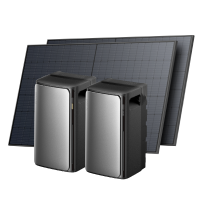
The EcoFlow PowerOcean Single-Phase Battery illustrates what a modern household energy storage system looks like in practice. It is designed specifically for the Australian residential market and meets AS/NZS certification requirements.
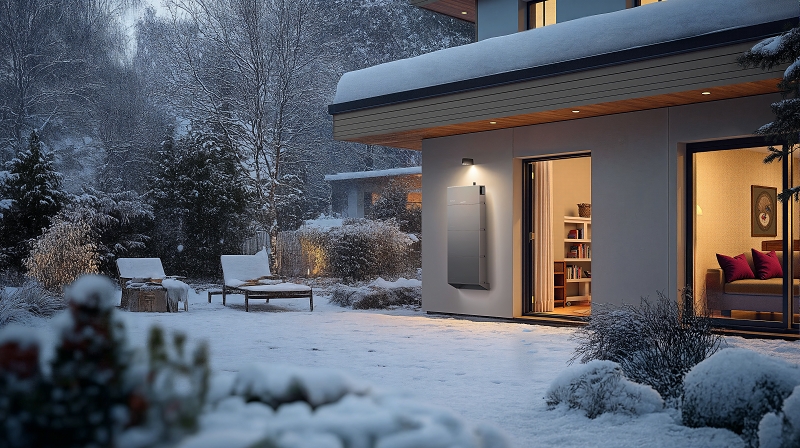
Usable capacity starts at 5 kWh per unit and expands up to 45 kWh (for the single-phase), and 60 kWh (for the three-phase). The system can be sized for current needs and expanded later as they grow. The modular architecture means adding capacity does not require replacing the inverter or any existing hardware.
The LFP battery chemistry carries an IP65 weatherproof rating, suitable for installation in garages, carports, or outdoor meter enclosures across Australian climate zones. The system includes blackout protection with millisecond switchover, maintaining supply to essential appliances during grid outages.
To further boost long-term value, the system comes with a 15-year full warranty. Its rugged build and reliable performance are designed to suit Australian household energy demands. Actual performance and cost savings depend on household energy use, system sizing, and local tariff conditions.
Signing off
Home energy storage is not a complicated technology. The basic cycle, charge during the day, store, discharge at night, runs the same way in every residential battery system. What differs is the build quality, how intelligently the system manages that cycle, and how well it is sized for the household.
The financial case for household energy storage in Australia is now well established for solar homes. Low feed-in tariffs, high peak-rate grid electricity, and available rebates have together made payback periods more manageable than they were even two years ago. The resilience case, covering outages during increasingly frequent extreme weather events, adds further value that is harder to put a number on but real.
For a personalised assessment of home energy storage options suited to actual household usage and local tariff structure, contact our professional energy consultants.
Schedule Your Free Consultation Today!
What kind of product or solution are you interested in?

FAQs
How long can a home battery power my house during a blackout?
It depends on the battery capacity and how much the household uses. A 10 kWh battery covering a household drawing 1 kW of average load would last around 10 hours. In practice, load varies. Running a fridge, lights, and a phone charger draws far less than running air conditioning simultaneously. Most households find a 10 kWh system covers a typical overnight outage. Larger systems provide more buffer for extended events.
Can I add a home battery to my house if I already have solar panels installed?
In most cases, yes. The main consideration is inverter compatibility. A hybrid inverter makes battery addition straightforward. An existing standard string inverter may require an additional battery inverter, which adds cost but is technically feasible. A qualified installer can assess the existing system and advise on the most cost-effective path to adding storage.
How long do modern home batteries last?
Most quality LFP home batteries are rated for 10 to 15 years of operation, or several thousand charge cycles. Actual lifespan depends on operating conditions. Batteries installed in shaded, ventilated locations last longer than those exposed to direct summer heat. Regular firmware updates and smart charge management through an EMS also protect cell health over time.