Home Battery Prices: How Much Does a Home Battery Cost in 2026?
More Australian homeowners are looking at solar batteries as electricity prices rise and solar feed-in tariffs become less rewarding. But choosing the cheapest battery quote isn’t always the best way to save money over time.
In this guide, we break down what home batteries are costing in 2026, what drives the final price tag, and how to pick a system that delivers better savings over the life of the system.
How Much Does a Home Battery Cost in 2026?
Home battery prices can vary significantly depending on the system size, installation requirements, and your home’s existing electrical setup. To get a realistic budget, it is important to look beyond the battery itself and consider the full installation cost.
Average Home Battery Price Range (Post-Rebate, Installed)
In 2026, a typical home battery setup in Australia will set you back somewhere between $7,000 and $16,000 for the hardware and basic installation. If you’re looking at premium whole-home backup systems or serious storage expansion, the total tab can push past $22,000, depending on which product tier you go for.
How Battery Size and Energy Needs Affect Cost
Your hardware costs go up in line with the battery’s usable kilowatt-hour capacity. A smaller unit might keep the lights on through the evening, but for the average family home running the usual appliances, you’ll want to look at a medium to large system to reliably get you through those peak tariff periods.
| Battery System Size (kWh) | Typical Household Profile | Estimated Net Price (AUD, Post-Rebate) |
|---|---|---|
| Small (3kWh – 6kWh) | Couples in small units; low evening base loads, minimal heavy cooling. | $4,500 – $7,500 |
| Medium (7kWh – 13kWh) | Standard 3-4 bedroom family homes; typical lighting, entertainment, and fridge loads. | $8,000 – $13,500 |
| Large (14kWh – 20kWh+) | Heavy energy users; homes with central climate control, pools, or early EV charging. | $14,000 – $22,000+ |
Important Price Note: The estimated price ranges above are post-rebate out-of-pocket costs in 2026, which already include upfront discounts applied through the Federal Government’s Cheaper Home Batteries Program (worth up to $252–$311 per usable kWh depending on your installation date) and typical state-based incentives. Without these subsidies, your upfront hardware and installation costs will be approximately $1,500 to $4,000 higher.
Installation and Additional Costs
The battery unit is only part of the total solar battery installation cost. Basic installations are usually included in the initial quote, but additional charges may apply if your switchboard needs upgrading to meet AS/NZS 3000 requirements.
Homes with more complex layouts, such as multi-storey properties, longer cable distances, or extra safety requirements, may see installation costs increase by around $1,000 to $3,000.

Why Doesn't the Cheapest Home Battery Always Save You Money?
It’s easy to focus on the price tag when comparing home batteries, but the cheapest option is not always the one that saves you the most money over time. Battery life, usable storage, upgrade options, and energy management features all influence the overall value of the system.
Short Lifespan Increases Replacement Costs
Lower-cost batteries may come with shorter warranties or fewer long-term performance guarantees, which can increase costs if the system needs to be replaced earlier than expected. Over time, a cheaper upfront price does not always translate into better value if the battery cannot maintain its performance throughout its expected lifespan.
Limited Storage Reduces Solar Savings
Opting for an undersized battery to save a few bucks upfront means you will constantly run out of stored juice right in the middle of evening peak rates. Instead of running your home off self-generated solar power, you are forced to pull expensive electricity from the grid the moment your small battery drains, leaving a massive chunk of potential savings completely on the table. Choosing an appropriately sized EcoFlow Solar Battery can help improve solar self-consumption while providing greater flexibility as household energy needs grow.
Costly System Upgrades for Growing Energy Needs
Cheap closed-loop battery systems leave you with nowhere to go when your lifestyle changes. Buy a small fixed unit today, and if you decide to install a heat pump or pick up an EV next year, you’re stuck ripping the whole thing out and starting over. That means more waste and a second round of upfront costs you could have avoided.
Poor Energy Visibility Leads to Higher Bills
Bargain systems usually skimp on smart software, offering basic indicator lights or glitchy apps instead of granular tracking. Without real-time insight into what appliances are draining your supply or how your battery behaves during localized price surges, you cannot adjust your behavior to dodge high network tariffs, which keeps your quarterly bills frustratingly high. A connected Home Energy Ecosystem can bring together battery, solar, and household energy data, making it easier to optimise energy use and reduce electricity costs.
How Can You Get Better Value From A Home Battery Investment?
The best value home battery isn’t always the cheapest one. A good system should match your energy needs today, leave room for future upgrades, and help you make better use of your solar power over time.
Expandable Battery Capacity for Future Needs
Many households choose a smaller fixed residential battery to keep their initial budget down, but as they introduce electric vehicles, heat pumps, or general household power demands grow, the original system falls short, forcing an expensive premature replacement. Opting for an energy storage platform designed with long-term expansion capabilities offers far greater investment value than chasing rock-bottom entry prices.
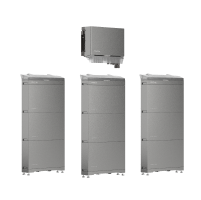
The EcoFlow OCEAN 2 Plus single-phase system perfectly matches this forward-thinking strategy by supporting expansion up to a massive 60kWh storage capacity on a single inverter. Homeowners can comfortably configure the system in stages based on their immediate budget and scale up smoothly as household loads grow over the years, eliminating the need to buy a completely new system. Furthermore, its three independent MPPTs and up to 24kW of PV input leave ample breathing room for future solar panel expansions, allowing you to scale up your rooftop generation and storage without hitting tight inverter bottlenecks.
Track Energy Costs In Real Time
A home battery only pays its way when you’ve got a clear handle on your energy use. Without real-time monitoring, you’re in the dark about when the battery’s charging, what’s draining the most power, and how much solar you’re actually using versus sending back to the grid.
Smart energy management sorts that out. Take the EcoFlow PowerInsight 2, for instance. It gives you a proper window into your generation, consumption, battery status, and where the energy’s moving. Its AI Energy OS takes care of the heavy lifting, tweaking charge and discharge schedules around your daily patterns and tariff rates. That means more solar self-consumption and less reliance on expensive grid power when it counts.
Compare Battery Warranty Terms
Before you settle on a battery, always read the warranty fine print. A good one should spell out how long you’re covered for, how many cycles it’s rated to, and what capacity it’s guaranteed to hold onto over time. Most decent home batteries offer around 10 years of cover, with a capacity guarantee that kicks in after thousands of charge cycles.
Choose A Battery With Lower Maintenance Requirements
Look for systems with passive cooling and a decent IP rating that can handle dust and spiders without needing regular sparkie call-outs. A well-engineered unit keeps maintenance costs low, so more of your solar savings stay in your pocket.
.png)
Battery Rebates and Incentives in Australia
Government incentives, including the Cheaper Home Batteries Program, can significantly reduce the upfront cost of installing a home battery in Australia. Before comparing quotes, check what rebates, discounts, and energy programs are available in your state or territory.
Cheaper Home Batteries Program
The Australian Government’s Cheaper Home Batteries Program is one of the biggest incentives around for households looking to add storage. Eligible homeowners can claim an upfront discount on approved battery systems, whether you’re pairing it with a new solar install or adding to an existing one. The program covers systems from 5kWh up to 100kWh, with the discount applied directly through accredited installers.
That said, the rules changed significantly from 1 May 2026. The old flat-rate discount is out, replaced by a tiered structure, and the subsidy phase-out has been brought forward.
0 to 14kWh (Full Rebate): Standard-sized batteries enjoy the maximum subsidy of approximately $252 to $272 per usable kWh.
Over 14kWh (Reduced Rebate): Capacity added above 14kWh is subject to a tiered reduction (receiving 60% of the base rebate rate up to 28kWh, and only 15% thereafter).
6-Month Phase-Out: The rebate rate now steps down every six months (each January and July) rather than once a year.
Timing is Critical: Your rebate is locked in by your installation date, not your contract signing date. With the next subsidy drop approaching quickly, installing your system early secures the highest possible discount. For larger energy needs, starting with a 14kWh base and expanding later is the smartest way to maximize your upfront savings.
State-Based Battery Incentives
Some states and territories offer additional support, including rebates, low-interest finance options, or energy upgrade programs. Availability and eligibility can change, so homeowners should check their local government energy website before making a purchase.
For example, some state programs also encourage households to connect batteries to Virtual Power Plants (VPPs), which can provide additional financial incentives.
Earn Extra Value Through Virtual Power Plants (VPPs)
A Virtual Power Plant links up multiple household batteries into a shared energy network. In return for letting your retailer or energy provider tap into a portion of your battery during peak demand, you can pick up upfront credits, ongoing payments, or a cheaper electricity plan.
However, joining a VPP is not the right choice for every household. Before signing up, check:
How much control you keep over your battery
Whether backup power is affected
Contract length and exit conditions
How much financial benefit you actually receive
What Should You Check Before Buying A Home Battery?
Before pulling out your wallet, doing a bit of homework ensures you end up with a system perfectly matched to your property’s technical reality.
Review Your Household Electricity Usage
Dig up your recent winter and summer smart meter data from your energy provider’s portal to see your actual daily kWh usage. Look specifically at your peak evening usage window, this tells you exactly how much usable battery storage you need to carry your home through to the next morning without grid assistance.
Check Solar System Compatibility
You need to work out whether your current setup calls for a DC-coupled battery or a more flexible AC-coupled system that plays nice with your existing inverter. If your rooftop inverter’s getting on in years and nearing the end of its life, it might be the right time to swap it out for a modern hybrid unit instead.
Understand Local Grid Requirements and Export Limits
Every Distributed Network Service Provider (DNSP) across Australia sets strict rules on how much solar power you are allowed to export back to the grid. In many regions, network operators enforce dynamic export limits or cap solar systems to prevent grid instability, making a smart home battery an absolute necessity to capture and store excess generation that would otherwise be wasted or blocked.
Compare Battery Installation Quotes
Always grab at least three itemized quotes from certified, local Clean Energy Council (CEC) accredited installers. Make sure each quote clearly separates the hardware cost, individual compliance paperwork fees, labor rates, and any specific structural switchboard modifications required so you can compare them fairly.
Understand Available Battery Incentives
Keep an eye out for state government rebates, low-interest green loans, or VPP sign-up credits in your area. These incentives can knock thousands off your upfront costs or give you ongoing bill credits, which can really shorten your payback period.
Schedule Your Free Consultation Today!
What kind of product or solution are you interested in?

Conclusion
A home battery can be a smart buy for Australian households in 2026, especially if you want to use more of your own solar and rely less on the grid. But choosing the right one isn’t just about the price tag. You’ve got to weigh up system size, how easy it is to expand, the warranty, and how well it helps you track and manage your energy day to day.
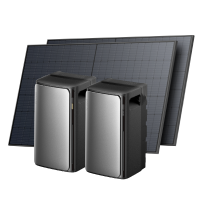
For homeowners who want flexibility as their needs change, the EcoFlow OCEAN 2 Plus offers a practical way to start small and add more storage later. Pair it with the EcoFlow PowerInsight 2, and you get a much clearer picture of where your power’s actually going. That means better decisions on when to store solar, when to run appliances, and when to stay off the grid.
FAQ
What's the payback period for a home battery?
In Australia, you’re generally looking at 7 to 10 years to recoup your costs, depending on your tariffs and how much solar you use yourself. You can shorten that with state battery rebates or by signing up to a Virtual Power Plant program.
Can I install a battery without replacing my solar inverter?
Yes, go with an AC-coupled battery. It connects straight to your switchboard independently, so it can play nice with any brand of existing solar inverter.
How much can a home battery save on my bills?
A well-sized battery can knock up to 80% or more off your electricity bill by cutting your reliance on peak grid power. For a typical household, that adds up to hundreds of dollars a quarter, especially if you’re already making the most of your solar.
What's the difference between AC-coupled and DC-coupled batteries?
It comes down to how the power travels. AC-coupled batteries take power that’s already been converted to AC by your solar inverter, which makes them a straightforward retrofit. DC-coupled systems store raw DC straight from the panels before it hits a hybrid inverter, which gives you slightly better round-trip efficiency.