What Are Green Loans and How Do They Work for Homeowners?
Energy prices keep rising every year. More and more homeowners want to make their homes eco-friendly. People want to save money on energy bills while helping the planet. A green loan can help them do both. It pays for sustainable home upgrades without putting too much pressure on their wallet.
Green loans are a popular way to pay for home improvements. You can use them to install solar panels, water-saving systems, or buy energy-saving appliances. Keep reading to learn how green loans work, what benefits they offer, and what drawbacks to watch out for.
What is a green loan?
A green loan is money you borrow to pay for an eco-friendly home project. Banks and lenders give out these loans to help people save energy and reduce pollution. The money must go toward renewable energy sources, such as solar panels, better insulation, or water-saving systems.
Lenders follow special rules to ensure the money is spent appropriately. They check things like energy ratings, sustainability certificates, and proof that the project lowers carbon emissions. Different lenders offer different interest rates, repayment plans, and approval rules. So it pays to shop around before you choose one.
Benefits of green home loans
Green home upgrades are a smart long-term investment. Using special financing makes them even better. Here are the top benefits:
Lower energy and utility bills: Energy-saving appliances and better insulation cut your power use. Your home stays warm in winter and cool in summer. Your monthly bills go down as a result.
Less environmental harm: Green upgrades reduce carbon emissions and your dependence on polluting energy sources. Low-flow faucets and solar systems are good for nature. You live green, clean.
Higher property value: Eco-friendly homes are in high demand. Buyers pay more for homes that save energy. Your property becomes more valuable over time.
Tax credits and rebates: The government rewards homeowners who make green upgrades. You can get money back through tax credits and rebates. This makes the cost of going green much easier to handle.
Limitations of green energy loans
Green loans are helpful, but they do have drawbacks. Here is what to watch out for:
Not all projects qualify: Lenders only approve certified energy improvements. Simple cosmetic changes, such as painting walls or replacing flooring, do not qualify. Smaller or unusual projects may also get rejected.
Lots of paperwork: You need to submit energy audits, contractor estimates, and other documents to get approved. This takes time and effort. Lenders carefully review everything before releasing the money.
Strict rules on spending: The loan funds can be used exclusively for green upgrades that have been approved. It's not meant for general home improvement or other costs. All funds must be used for the approved project.
Not available everywhere: Green loan programs vary by region. Some areas have fewer options and stricter rules. Lower-income borrowers may find it harder to get approved in certain locations.
Types of green home loans for improvements
Green home loans can cover a wide range of upgrades. The exact projects that qualify depend on your lender, your property, and your energy goals. Here are the main types:
Renewable energy systems
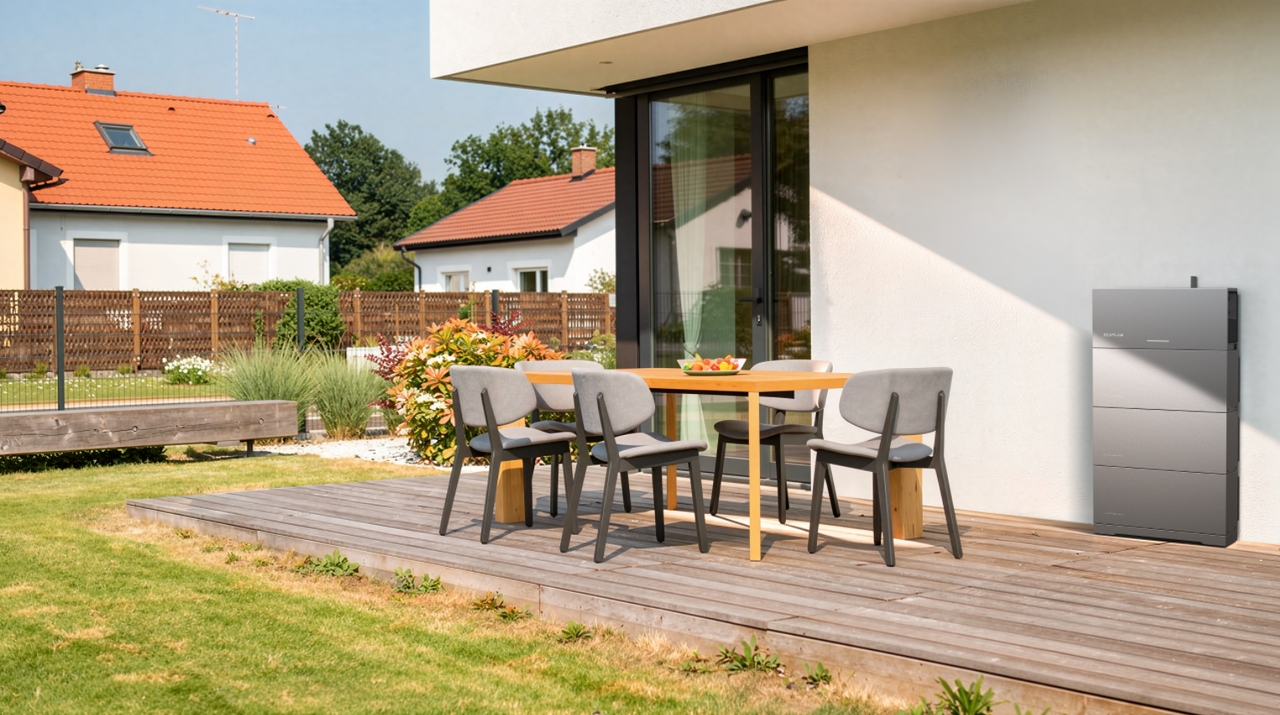
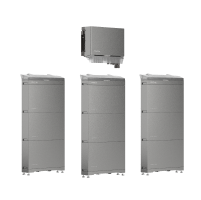
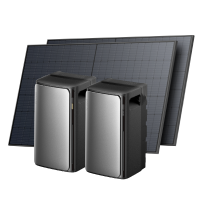
You can use green loans to install solar panels, solar batteries, and home energy systems. For example, modern home battery systems such as EcoFlow's residential storage solutions can be used as part of eligible renewable energy upgrades, depending on lender and program requirements. These systems are designed to store excess solar energy and support household energy management when paired with smart monitoring tools.
PowerInsight 2 monitor makes managing your renewable energy simple with real-time monitoring and easy controls. The pre-integrated design ensures easier installation, and 10 layers of safety protection provide comprehensive security from cell to system.
Want to make the most of your green loan and save even more energy? Consult with our EcoFlow experts to see how our products can maximize your efficiency and reduce household costs.
Schedule Your Free Consultation Today!
What kind of product or solution are you interested in?

Energy-efficient home upgrades
Green loans also cover energy-saving light bulbs, smart thermostats, and efficient appliances. Modern ventilation systems waste less energy. Energy-saving windows keep your home at a comfortable temperature. Together, these upgrades lower your electricity bills and reduce pollution. Your home becomes cheaper to run and kinder to the planet.
Insulation and building efficiency
Insulation is a key factor. Green financing includes roof insulation, wall insulation, double-glazed windows, and air sealing. These improvements help maintain a warm temperature in the winter and cool in the summer. They cut down on the energy that your home wastes. Your home becomes more comfortable, durable, and efficient over time.
Water-saving improvements
Water-saving improvements are a frequent part of green loans. This can include drought-tolerant landscaping, low-flow plumbing fixtures, and rainwater harvesting. These adjustments will help you save water and conserve natural resources. They also help you save money on your water bills. Water Sense is good for the wallet and good for the earth.
How to pay for green home improvement projects?
There are many ways to fund green home improvements. Here are your main options:
Government schemes offer green loans at reduced interest rates.
Banks and credit unions provide affordable green financing with low repayment rates.
Westpac Green Loan offers competitive interest rates for eco-friendly upgrades.
Commonwealth Bank CBA Green Loan gives flexible repayment terms for energy improvements.
Personal home improvement loans can cover bigger green projects.
Energy companies offer rebates and financing programs you can combine with a loan.
The best option depends on your project size, budget, and eligibility. Plan carefully and compare options to get the best deal.
Key considerations before applying for a green loan
Before you apply, think carefully about these important points:
Project eligibility rules
Your project must clearly benefit the environment. It should cut emissions or improve energy efficiency. Solar panels, efficient appliances, and water-saving systems are all good examples. Your project must meet the lender's sustainability requirements and comply with local regulations. Lenders review all of this before approving your loan.
Loan structure and repayment terms
Different lenders offer different loan structures. Most green loans come with fixed or flexible repayment terms. Pick a repayment plan that fits your monthly budget. Loans for well-verified green projects may come with lower interest rates. Always read the fine print and check for early repayment penalties before you sign anything.
Documentation and approval requirements
Start gathering your documents early. You will need detailed project plans, an environmental impact assessment, proof of identity, and financial records. Some lenders may also ask for a feasibility study. Lenders check your credit history, project viability, and sustainability standards. Missing or incorrect documents will slow down your approval. Get everything right the first time to avoid delays.
Combination with incentives
Government tax rebates and tax incentives can often be a good complement to green loans. Combining them both reduces your overall cost and makes your project more affordable. Do look up what incentive schemes you may be eligible for in your area before applying. Good planning and smart combining of funding sources can save you a lot of money.
Green loans make sustainable home upgrades affordable and accessible. They help homeowners quickly cut energy bills. Clean energy improves the performance of your key home systems. Structured financing removes the biggest barrier to going green. When you add government incentives, the cost drops even further. The result is smarter spending, a greener lifestyle, and less dependence on polluting energy sources.
Conclusion
Green loans provide homeowners with a practical and affordable solution for financing their home's green upgrades. They can be applied as solar panels, insulation, and water-saving systems. They enable more people to live sustainably. Yes, there is paperwork to be done and rules to be followed. The long-term benefits are worth it, though. You're saving money on your energy bills, boosting your home's value, and reducing your carbon footprint. Green loans are a great way to invest in a cleaner and more energy-independent future, and with the support of the government, these loans can be even more affordable.
FAQs
How does a green loan work?
Green loans may offer more favorable interest rates compared to standard personal loans, depending on the lender, borrower profile, and project eligibility. You pay it back in regular fixed amounts over time. The lender checks that you spend the money only on approved green projects. This encourages homeowners to make low-emission improvements to their homes.
What qualifies as a green loan?
Solar panels, home batteries, and energy-efficient appliances all qualify. Your project must reduce household emissions and meet your lender's sustainability standards. Government-approved upgrades are usually the easiest to qualify for.
What is the maximum green loan amount I can get?
The amount depends on your lender and your credit history. Most lenders offer between $5,000 and $50,000. The higher amounts are usually for large energy systems, such as solar installations.
Are green loans a good option?
Yes, for most homeowners, they are. Green loans lower the upfront cost of clean energy upgrades. They usually have lower interest rates than regular personal loans. They are a great fit for anyone planning a sustainable home improvement project.
What is included in a green loan for solar installation?
Solar green loans can be used on solar panels, inverters, and labor. It can also encompass battery storage systems, wiring improvements, and service expenses. This will vary based on the renewable energy packages that your lender has approved.
Who is eligible for a green loan in Australia in 2026?
Persons who have a stable income and a good credit history may apply. Some lenders require detailed plans of the energy improvements that you plan to make. Some may require proof of property ownership as well. The rules vary from state to state, so be sure to review the requirements in your area prior to applying.