Electricity Rates in Victoria: Can Home Batteries Reduce Costs?
Power bills in Victoria are getting harder to figure out. Retail rates keep changing, network tariffs move around, and what you get paid for solar exports never stays the same. This guide covers how Victorian tariffs actually work, whether a battery makes financial sense, and how to shift your energy use to save money over time.
Quick Answer: Can Home Batteries Help Reduce Electricity Costs in Victoria?
Yes, a home battery can make a real dent in your Victorian power bills. You store your own solar during the day and use it in the evening, skipping those pricey peak rates. But how much you actually save depends on how much power you use, the tariff you’re on, and whether your battery is sized right for your solar setup.
Key Takeaways
Electricity rates in Victoria depend on your retailer, tariff type, how much power you use, and what you’re paid for solar exports.
A battery can cut your bills by storing solar and keeping you off the grid during peak rate periods.
Your actual savings come down to your usage, solar output, battery size, and the tariff you’re on.
Smart monitoring helps you use the battery smarter and make those savings add up over time.
How Can Victorian Households Decide If a Home Battery Is Worth It?
Working out whether a battery’s worth it comes down to weighing your household’s power habits against the upfront cost of the gear and any local support schemes you can tap into.
Energy Usage Patterns
Power use in a typical Melbourne or regional Victorian home goes up and down throughout the day. You might get a morning bump during breakfast prep, but the real surge hits between 3 PM and 9 PM, when the air con, cooktop, and TV are all running. Knowing when you’re pulling from the grid is the first step to working out if a battery will pay off.
Daily Electricity Consumption
How much electricity your home consumes over a 24-hour cycle directly shapes the battery storage capacity required to make a noticeable dent in quarterly bills.
| Household Type | Average Daily Usage (kWh) | Typical Peak Hours | Example Battery Size Range |
|---|---|---|---|
| Small Unit / Apartment (1-2 people) | 8 – 12 kWh | 6:00 AM – 8:00 AM & 6:00 PM – 9:00 PM | 5 – 7 kWh |
| Medium Suburban Family Home (3-4 people) | 15 – 22 kWh | 4:00 PM – 9:30 PM | 10 – 15 kWh |
| Large Home with Pool & EV (5+ people) | 28 – 40+ kWh | 3:00 PM – 10:00 PM | 15 – 25+ kWh |
Solar System Impact
Without a battery, your solar panels just export unused power to the grid during the day, and you’re still paying top dollar for electricity in the evening. Slap a battery on your system, and you keep that surplus energy on-site instead of giving it away. A suitable EcoFlow Solar Battery can help homeowners increase solar self-consumption by storing excess daytime generation and making that energy available when household demand rises. That means the power you generated during the day gets used at night, when you actually need it.
Installation Costs and Incentives
Upfront expenditure remains a central consideration for homeowners weighing up storage technology. While lithium battery costs have moderated in recent years, professional installation,including safety isolators, electrical board upgrades, and hybrid inverter configuration—adds to the total system price. Understanding solar battery cost is an important step before investing, as the total price can vary depending on battery capacity, installation complexity, inverter compatibility, and available incentives. Victorian residents can offset these initial capital costs through federal support under the Cheaper Home Batteries Program, which provides an upfront discount on battery hardware. Additionally, homeowners installing solar panels alongside storage can still tap into Solar Victoria’s PV rebate and interest-free loans.
Which Electricity Rate Factors Determine Battery Savings in Victoria?
Financial returns from energy storage are dictated by the gap between what retailers charge for grid power and what they pay for exported solar.
Retailer Rates and Tariffs
Electricity pricing across AusNet, CitiPower, Powercor, Jemena, and United Energy distribution zones varies depending on retailer plans, network charges, and tariff structures.
| Tariff Structure | Example Residential Cost Range (c/kWh) | Impact on Battery Value |
|---|---|---|
| Single Rate Tariff | 28c – 34c / kWh (flat rate) | Moderate: Saves consistent base rate on every stored kWh consumed. |
| Time-of-Use (Peak Period) | 38c – 52c / kWh (3pm – 9pm) | Very High: Battery discharging during peak windows yields maximum bill savings. |
| Time-of-Use (Off-Peak Period) | 18c – 24c / kWh (overnight) | High: Allows low-cost grid charging during winter to offset peak evening rates. |
Solar Feed-In Value
Victorian feed-in tariffs (FiTs) have declined in recent years, with some electricity plans offering very low midday solar export rates. Exporting excess clean electricity back to the grid yields virtually no credit on utility bills today. By storing that same kilowatt-hour in a battery and using it to offset a 35c to 52c grid purchase during peak evening hours, homeowners unlock vastly higher value from their rooftop systems instead of giving their energy away for free.
Victorian Battery Support Programs
Government policy actively encourages residential energy resilience through accessible financial support. The federal Cheaper Home Batteries Program reduces upfront equipment costs via Small-scale Technology Certificates (STCs), while homeowners adding or expanding solar can leverage Solar Victoria’s $1,400 PV rebate. Combined with Virtual Power Plant (VPP) participation credits, these incentives substantially shorten the battery payback period. Joining a VPP allows grid operators to periodically draw small reserves from your battery during peak demand events in exchange for annual financial credits or discounted grid rates.
How Can Home Batteries Lower Electricity Bills in Victoria?
Unlocking real bill reductions relies on two key operational mechanics: maximizing self-consumption and avoiding high peak electricity tariffs.
Excess Solar Storage
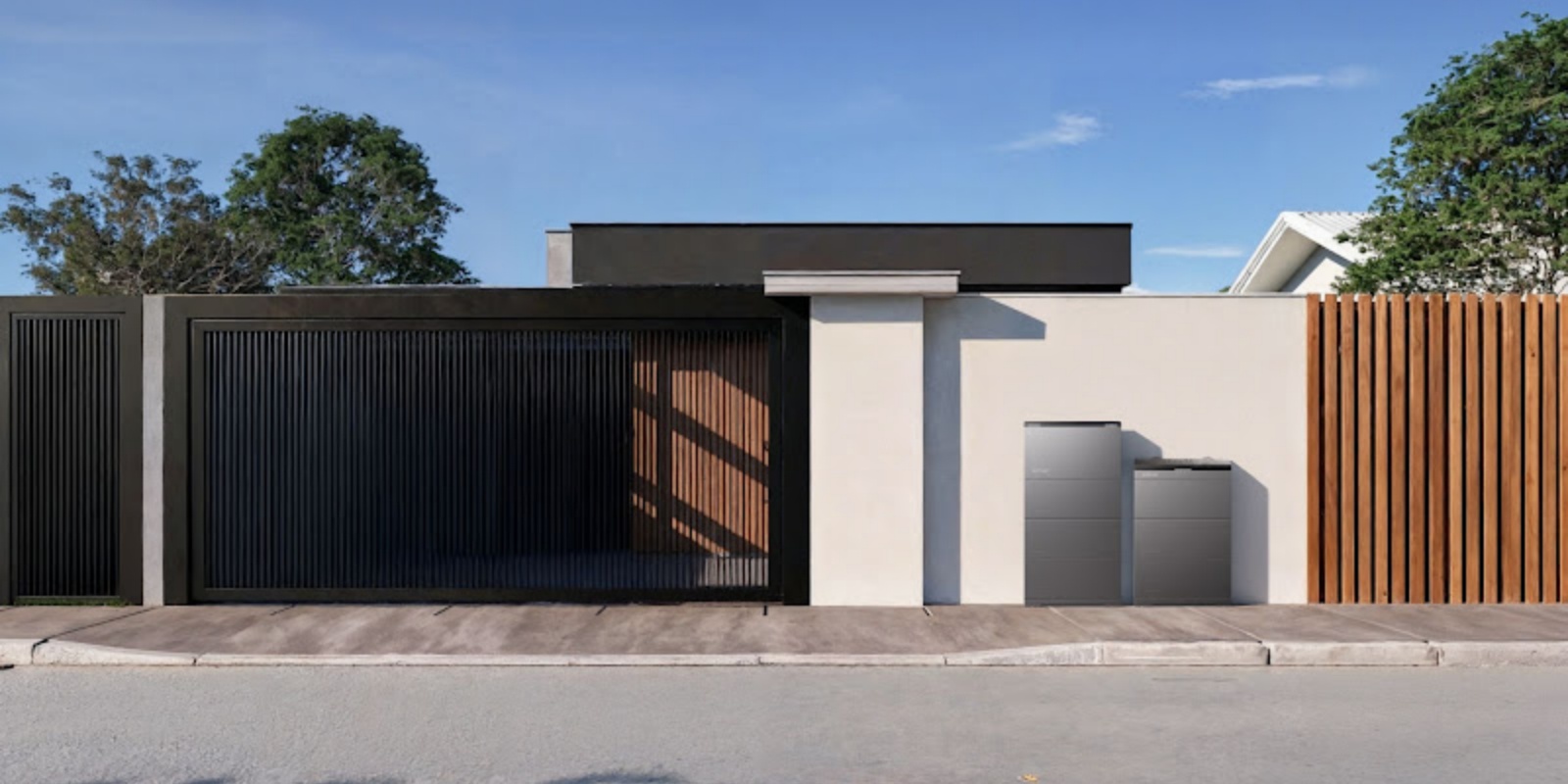
Across suburbs from Geelong to Bendigo, rooftop solar panels generate abundant electricity during sunny daylight hours, yet household occupancy often peaks after work and school hours. Without a dedicated storage solution, surplus green energy flows straight back into the main grid for a negligible feed-in return, forcing families to buy expensive power when cooking dinner or running climate control. Installing an integrated home battery system—such as the EcoFlow OCEAN 2 Plus Single Phase—ehelps households store more surplus solar energy locally, increasing solar self-consumption and reducing reliance on elevated evening grid rates.
Peak Price Energy Shifting
Energy arbitrage offers another practical route to lower utility expenses, especially for homes on variable Time-of-Use plans. By programming your battery to discharge during high-cost peak windows (typically between 3:00 PM and 9:00 PM), you can reduce exposure to peak electricity rates. During winter months when solar generation dips, smart battery systems can even charge from the grid overnight at cheap off-peak rates and release that energy during expensive morning peak slots.
How Can Smart Energy Management Improve Battery Savings?
Automated monitoring and intelligent controls ensure your storage hardware continuously operates at peak efficiency.
Energy Flow Monitoring
Gaining full visibility over real-time generation, current storage reserves, and household load profiles transforms how families manage energy. Heavy draw appliances like ducted air conditioning, heat pump water heaters, and electric vehicle chargers can swiftly drain storage reserves if run unmonitored during peak hours. Deploying an intuitive centralized energy management hub, such as the EcoFlow PowerInsight 2, provides real-time visualization of household power flows, making it easier to identify power-hungry appliances and align major consumption tasks with peak solar production hours.
.png)
Smart Controls for More Efficient Energy Usage
Modern energy storage management goes far beyond manual switches by incorporating automated logic driven by weather forecasts and tariff schedules. A connected Home Energy Ecosystem allows solar generation, battery storage, smart devices, and household energy data to work together, helping homeowners make better decisions about when to store, use, or export electricity. Smart battery control software automatically predicts tomorrow’s solar production, deciding whether to reserve battery space for solar charging or pre-charge overnight via off-peak grid electricity. This dynamic optimization helps your home use more cost-effective electricity sources based on available conditions without requiring constant manual adjustment.
Is Installing a Home Battery the Right Choice for Victoria Homes?
While home storage offers clear financial and environmental benefits, suitability varies depending on household energy habits.
Ideal Battery Users
Home storage really pays off for households that generate a lot of solar during the day and use a lot of power in the evening. If you’ve got ducted electric heating, split systems, induction cooktops, or an EV, you’re in the sweet spot. And if you’re in a regional area where the grid can be a bit flaky, the added backup during storms is a solid bonus.
Limited Savings Situations
Conversely, households with very low daily electricity usage (under 6-8 kWh per day) or those where power consumption occurs almost entirely during midday solar hours may experience longer payback timelines. Similarly, tenants in rental properties or homes with heavy roof shading that limits solar generation may find the return on investment less compelling under current retail market conditions.
Schedule Your Free Consultation Today!
What kind of product or solution are you interested in?

Conclusion
Victoria’s energy market keeps shifting, so you need a decent strategy to stay on top of it. Rates change, feed-in tariffs move, but a home battery gives you a practical way to take control of your bills. Store cheap solar power, skip the peak retail prices, and you’re on your way to greater energy independence. Less exposure to rising grid costs, and a more resilient home to boot. For households looking to optimise their energy use, modern battery and smart management systems may provide a practical way to improve energy efficiency and manage electricity costs.
Disclaimer: Energy prices, solar feed-in tariffs, government incentives, and battery storage policies may change over time. Eligibility for programs such as the Cheaper Home Batteries Program, Solar Victoria rebates, and other energy support schemes depends on individual circumstances and current government requirements. Electricity savings, battery payback periods, and system performance vary based on factors such as household energy usage, solar generation, tariff plans, and battery size. We recommend checking the latest information with official government sources or your energy retailer before making decisions about solar or home battery installations.
FAQs
How much does a home battery cost in Victoria?
A home battery in Victoria may cost around $6,000 to $14,000+ installed, depending on capacity, brand, and how tricky the install is. You can bring that down with Solar Victoria interest-free loans or package deals from installers.
How long does it take for a home battery to pay for itself in Victoria?
Payback periods are often estimated at around 6 to 10 years, depending on electricity usage, tariffs, battery size, and available incentives. It depends on your solar setup, how much power you use in the evening, your tariff, and whether you’re in a Virtual Power Plant program.
Can a home battery work without solar panels in Victoria?
Yes, you can charge it from the grid during cheap off-peak hours and use it during peak periods. But pairing it with solar gives you much bigger savings, because you’re using free energy you generated yourself.
Can electricity prices in Victoria affect home battery payback?
Absolutely. Higher electricity prices shorten the payback period, because every kilowatt-hour you store and use yourself is one you don’t have to buy at peak rates. As retail prices go up and feed-in tariffs drop, keeping your own solar starts to look a lot more attractive.