Electric Tariff Prices in Australia: Can Battery Storage Reduce Your Electricity Bills?
Yes, a home battery can help reduce electricity bills in Australia, but it’s not a one-size-fits-all solution. Households on time-of-use or demand tariffs stand to benefit most. You store cheap solar power during the day, or off-peak grid power, then use it in the evening when rates go through the roof. For it to really pay off, you need high evening usage, a low feed-in tariff, and a battery sized to match how you actually use power.
Key Takeaways:
Battery storage makes the most sense for homes with high power usage, plenty of spare solar, a tariff that works in your favour, and feed-in rates that don’t pay much.
Batteries cut your bills by holding onto solar power and shifting your energy use away from expensive peak times.
How much you actually save comes down to your tariff, solar output, battery size, installation cost, and how your household uses power.
Smart energy management helps you get the timing right on charging, discharging, and overall usage.
How Can Australian Households Decide Whether Battery Storage Matches Their Electricity Needs?
Before you jump into a battery install, take a proper look at how your household uses power day to day. Knowing when and where you’re burning through electricity is the only way to figure out if a battery will actually pay off for you.
Is Battery Storage Suitable for Your Household Energy Usage?
Every household runs differently. If your family’s up early, out for the day, then home at 5 PM cranking the air con, cooking dinner, running the dishwasher, and charging an EV, your peak use lines up perfectly with the grid’s most expensive period. On the flip side, if someone’s home all day running appliances straight off solar, a big battery might take a lot longer to pay for itself. Storage makes the biggest difference when your heaviest usage happens after the sun’s gone down.
Why Does Having Solar Panels Make You a Better Battery Candidate?
Charging a battery directly from your rooftop solar panels gives you virtually free electricity to draw on later in the night. Without solar, you are forced to rely entirely on grid power—charging the battery during off-peak night hours and discharging during peak times. While grid arbitrage can trim costs, storing zero-cost solar energy offers a dramatically higher financial yield, especially given Australia’s abundant sunshine.
Does Your Electricity Tariff Make Battery Storage More Valuable?
Your choice of electricity plan directly dictates how much money a battery can save you each quarter. Aussie retailers structure plans using several distinct pricing models:
Time-of-use (TOU) tariffs: Power is split into Peak, Shoulder, and Off-Peak rates. Peak rates can sometimes be significantly higher than off-peak prices, depending on your retailer, state, and tariff structure. Batteries excel here by supplying your home during expensive peak hours.
Flat-rate tariffs: You pay a constant rate per kilowatt-hour (kWh) regardless of the time of day. While simple, savings come purely from avoiding grid purchases rather than dodging peak surcharges, leading to a slightly longer payback period.
Demand tariffs: Retailers charge a high rate based on your single highest 30-minute peak demand window during the billing month. A home battery flattens these sudden power spikes by stepping in during heavy appliance use.Solar feed-in tariff plans: Many Australian solar feed-in tariffs have declined in recent years, with some plans offering around 3c to 7c per kWh depending on the retailer, state, and network conditions. Instead of exporting valuable solar for peanuts, capturing that energy in a battery saves you from buying it back later at 35c to 50c+ per kWh.
Retailer and network differences: Local network rules, state-level incentives, and grid connection policies can drastically alter your battery payback period. For example, taking advantage of NSW’s Peak Demand Reduction Scheme (PDRS) or avoiding solar curtailment under South Australia’s Flexible Export rules can change your annual return by hundreds of dollars.
State-by-State Policy & Savings Impact
| State | Key Network Rules & Incentives | Battery Impact |
|---|---|---|
| NSW | High TOU peak rates (>50c/kWh); PDRS incentive for VPP connection. | High: Can help reduce peak electricity purchases and may support participation in eligible VPP programs. |
| VIC | VDO tariff structures; Solar Victoria interest-free loans. | High: Offsets high winter heating loads. |
| SA | Dynamic wholesale pricing; mandatory Flexible Export limits. | High: Helps maximise solar usage where export limitations apply. |
| QLD | Low FiTs (3–6c/kWh); high summer cooling demand. | High: Helps supply evening air conditioning demand using stored solar energy. |
| WA | Strict DEBS pricing & solar export management rules | High: Stores midday solar to reduce reliance on exports under export management rules. |
How Do Peak Electricity Prices Influence Battery Storage Savings?
dynamic pricing directly influences your potential savings. Here is how typical Australian electricity plans stack up:
| Tariff Type | Typical Residential Tariff Ranges in Australia | How a Battery Drives Bill Reduction | Savings Impact |
|---|---|---|---|
| Time-of-Use (TOU) | Peak: ~45–55c/kWh Shoulder: ~25–32c/kWh Off-Peak: ~15–25c/kWh | Supplies power during expensive peak hours using daytime solar or cheap off-peak grid charges. | Very High |
| Demand Tariff | Additional demand charges based on peak electricity usage during specific periods, depending on the retailer and tariff structure. | Discharges during high-load periods to help reduce peak grid demand. | High |
| Flat-Rate Plan | Constant rate across all hours (~30–38c/kWh). | Avoids purchasing grid electricity by storing excess solar for nighttime use. | Moderate |
| Low Feed-in Plan | Low FiT (3–6c/kWh export credit) vs high import rate (35c+/kWh). | Prevents low-value exports; keeps self-generated green energy within the home network. | High |
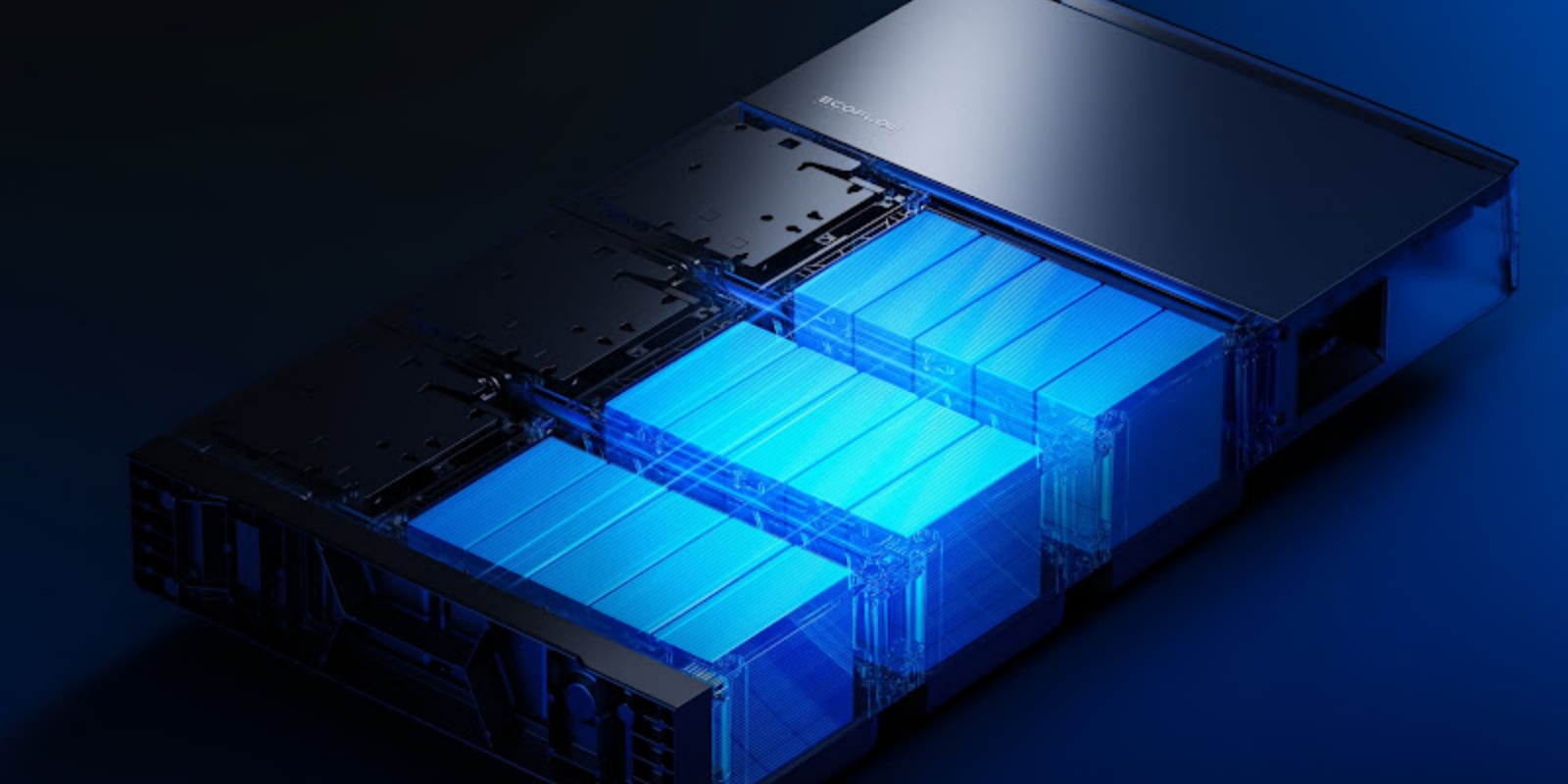
How Does Battery Storage Reduce Electricity Bills Under Australian Tariffs?
Lowering your quarterly power bill is about deploying that energy strategically when grid power costs the most. Here is how modern home batteries work behind the scenes to minimize your electricity expenses.
Shift Electricity Consumption Away from Expensive Peak Periods
For most Australian households, the biggest savings happen after sunset. This is when solar production drops, families return home, and electricity demand usually climbs. When evening rolls around and grid demand peaks across Australia, electricity prices hit their daily high. Instead of buying expensive power from the grid, your battery kicks in, running your air con, lights, and kitchen gear on stored solar.
Increase Solar Self-Consumption Instead of Exporting Excess Energy
In the early days of rooftop solar, high feed-in tariffs paid homeowners handsomely for exporting green power. Today, exporting power yields pennies while importing power costs a premium. Choosing the right EcoFlow Solar Battery can help households retain more surplus solar energy instead of sending it back to the grid for minimal returns. Storing excess solar power in a home battery can significantly increase solar self-consumption, with some households achieving around 60–80% of their own solar generation depending on system size, battery capacity, and energy usage patterns.
Select Battery Capacity Based on Electricity Usage and Tariff Differences
Size matters when choosing energy storage. A system that is too small leaves you relying on grid power halfway through the evening peak, while an oversized battery adds unnecessary upfront costs. Factoring in your seasonal climate needs—such as running summer cooling or winter heat pumps—helps determine the right kilowatt-hour capacity for your home.
Improve Long-Term Energy Savings with Flexible Storage Solutions
With shifting tariffs and rooftop solar now everywhere, modern batteries need to do more than just boost self-consumption. They’ve got to keep up as your household energy needs grow.
The EcoFlow OCEAN 2 Plus Single Phase supports up to 24 kW of solar input, giving households greater flexibility to integrate larger solar systems and capture more daytime generation. Its 72A bypass capability helps support higher household loads during outages, while expandable storage of up to 60 kWh per inverter allows the system to grow as household energy needs increase over time. Use that stored power during the most expensive tariff periods, and helping reduce grid reliance and potentially lower electricity bills.
What Factors Affect the Cost and Performance of Home Battery Storage?
The idea of significantly lower electricity bills is appealing, but a home battery is still a serious investment. Understanding what drives upfront costs and long-term performance helps you set realistic expectations before making a decision.
Calculate Potential Battery Savings Before Investment
To estimate your payback window, compare your annual power bill savings against the total installed cost of the battery system. Factor in local state rebates (such as NSW Peak Demand Reduction Scheme incentives or solar battery loans in other states) to get an accurate view of your net out-of-pocket spend.
Compare Battery Costs, Lifespan and Expected Benefits
Battery chemistries like Lithium Iron Phosphate (LFP) offer long lifespan ratings—often exceeding 6,000 to 10,000 charge cycles. Understanding factors that influence solar battery cost can help homeowners compare upfront investment, expected lifespan, and long-term electricity savings before choosing a system. Below is an estimated cost and performance comparison based on typical Australian home battery installations:
| Evaluation Metric | Standard Home Setup (5–8 kWh) | Expanded High-Capacity Setup (10–20+ kWh) |
|---|---|---|
| Est. Fully Installed Cost | $4,000 – $7,500 AUD | $11,000 – $18,000+ AUD |
| Typical Service Life | 10–15 Years (LFP Chemistry) | 10–15 Years (LFP Chemistry) |
| Typical Annual Bill Savings | Around $400–$1,500/year | Around $800–$2,500+/year |
| Blackout Backup Capability | Backup for selected essential circuits depending on system configuration | Support for more household loads depending on inverter capacity and installation setup |
| Optimal Household Profile | Smaller homes, moderate evening usage | Large families, high EV or AC power draw |
Check Solar System and Electricity Plan Compatibility
Not every solar inverter seamlessly communicates with every battery type. Existing solar setups may require an AC-coupled battery, whereas new installations often benefit from integrated DC-coupled hybrid inverters. Always check that your retailer offers an optimal solar and battery tariff plan to make the hardware integration worthwhile.
Balance Bill Reduction with Backup Power Requirements
If you live in storm-prone regional areas or coastal suburbs subject to grid dropouts, blackout protection is a major bonus. However, keeping a portion of your battery held in reserve for blackout emergencies slightly reduces the total capacity dedicated to daily bill-shaving. Finding the right balance ensures both energy security and maximum financial return.
How Can Smart Energy Management Maximise Battery Storage Benefits?
Hardware is only half the equation. Because electricity rates shift throughout the day and household appliances create unpredictable load spikes, passive batteries often miss out on extra savings. Smart management software bridges that gap.
Monitor Solar Generation, Battery Storage and Household Energy Flow
Tariffs change throughout the day, and household loads are never the same. Just bolting a battery to the wall won’t guarantee the best return. You need to see what’s happening with your generation, storage, and usage before you can really fine-tune how you use power.
The EcoFlow PowerInsight 2 gives you a clear view of all that on an 11-inch touchscreen. It displays real-time data on solar output, battery levels, household energy consumption, and energy flow direction. The AI Energy OS analyses household energy patterns and provides practical insights on when to shift loads and how to optimise battery usage.
.png)
Optimise Battery Charging and Discharging Decisions
Smart energy systems automatically decide whether to store solar power, discharge to cover home loads, or hold charge based on upcoming peak pricing hours. By predicting usage habits, intelligent controllers avoid unnecessary grid imports.
Prepare for Future Smart Energy Pricing Models
Australia’s energy grid is transitioning toward Virtual Power Plants (VPPs) and dynamic real-time wholesale pricing. Smart energy controllers enable your battery system to participate in VPP networks, earning you additional credits by assisting the main grid during emergency demand spikes.
Integrate Battery Storage with Other Smart Home Devices
Link your battery up with smart thermostats, EV chargers, and automated switches and you’ve got a fully integrated system. Building a connected Home Energy Ecosystem allows different energy devices to work together, helping you schedule heavy loads like pool pumps or hot water systems when solar generation or battery reserves are available. This makes it easier to maximise every watt generated while reducing unnecessary grid consumption.
How Can Australian Homeowners Evaluate the Long-Term Value of Battery Storage?
Look past the immediate savings and there’s more to it. Energy independence, backup when the grid goes down, and protection from rising power prices all count. Weigh up the dollars and the peace of mind, and you’ll make a better call.
Household Conditions That Improve Battery Storage Returns
Your return on investment moves into high gear if you have high overall power usage, live in an area with high peak electricity tariffs, experience frequent grid outages, or are on a TOU plan with severe evening price hikes. Coupled with low feed-in returns, these conditions accelerate your payback timeline.
Evaluate Battery Storage Benefits Beyond Electricity Savings
Financial ROI isn’t the sole metric. Freedom from unexpected power price hikes, lowered household carbon footprints, enhanced property value, and uninterrupted power during storm outages provide massive peace of mind that doesn’t always show up on a standard balance sheet.
Balance Upfront Costs, Energy Savings and Future Benefits
By weighing up the upfront solar battery installation cost against what you’ll save on power over the years, plus any government rebates and the added security of backup, you can figure out whether a battery actually stacks up financially for your place right now.
Schedule Your Free Consultation Today!
What kind of product or solution are you interested in?
Conclusion
Home battery storage in Australia has gone from a luxury extra to a genuine way to take control of your power bills. Solar panels give you cheap daytime power, but add a well-sized battery and you can dodge those pricey evening peak rates and make up for lousy feed-in tariffs. With high-capacity, expandable systems like the EcoFlow OCEAN 2 Plus and smart monitoring via the EcoFlow PowerInsight 2, Aussie households can use more of their own solar, maintain backup power for essential appliances during outages, and better manage rising electricity costs over the long haul.
Disclaimer: Electricity tariffs, solar feed-in rates, government incentives, and battery installation costs in Australia may change over time and vary by state, retailer, and individual circumstances. Battery savings and payback periods are estimates only and depend on factors such as household energy usage, solar generation, battery size, and tariff structure. We recommend checking the latest information with your energy retailer, state government programs, or qualified installers before making decisions about solar battery installation or energy upgrades.
FAQ
Does a battery save money on electricity bills in Australia?
Yes, a battery saves money on Australian electricity bills by storing cheap solar power or off-peak grid energy and using it to power your home during expensive peak pricing periods. This cuts down on expensive power imports during the evening, protecting your household from high Time-of-Use rates and low solar feed-in tariff returns.
What factors affect battery storage savings in Australia?
Battery storage savings in Australia are primarily determined by your electricity tariff structure, daily household usage patterns, solar system size, and the upfront cost of the battery installation. The price gap between peak energy imports and solar export credits plays the largest role in calculating your overall annual financial savings.
Is adding a battery to an existing solar system worth it in Australia?
Yes, adding a battery to an existing solar array can be worthwhile for many Australian homes, especially those with excess daytime solar generation, low feed-in tariffs, and higher evening electricity usage.
Can a battery reduce electricity bills without solar panels?
Yes, a standalone battery can reduce electricity bills without solar panels by leveraging tariff arbitrage on a Time-of-Use plan. The system charges during cheap off-peak overnight hours and discharges to power your home during expensive peak periods, though total savings are typically lower than when paired with rooftop solar.
How long do home batteries last in Australia?
Modern home batteries in Australia typically last between 10 and 15 years depending on usage frequency, battery chemistry, and ambient operating conditions. Lithium Iron Phosphate (LFP) batteries are widely used for long-life home storage applications, retaining substantial capacity even after thousands of daily charge and discharge cycles.