El Niño 2026 Australia Weather: How Strong Could the Event Be and What Does It Mean?
Australia is entering the 2026–2027 summer with a strong El Niño building in the Pacific. For many households, that usually means a familiar mix: less reliable rainfall, hotter afternoons, earlier fire danger and longer air-conditioner run times. This guide looks at what the current El Niño pattern could mean for Australia, where the biggest weather risks may show up, and how to prepare before heat and fire conditions peak.
Key Takeaways
Hotter, drier conditions are likely: El Niño usually reduces rainfall across much of eastern and northern Australia and increases the chance of heatwaves.
Bushfire risk may rise earlier: Dry vegetation, low soil moisture, and hot winds can bring fire danger forward before peak summer.
Cooling demand will climb: Longer AC runtime can push up bills and strain the grid during late-afternoon and evening peaks.
Households should prepare early: Water-saving, bushfire readiness, cooling maintenance, and backup power planning all matter before summer arrives.
What Is El Niño?
El Niño begins in the tropical Pacific, but Australians usually notice it through the weather at home: fewer rain-bearing systems, clearer skies, hotter days and a drier landscape heading into summer. In simple terms, the warm water and cloud activity that normally sit closer to Australia shift eastward across the Pacific. That weakens some of the moisture patterns that support winter, spring and northern wet-season rainfall.
How Strong Could the 2026 El Niño Event Become?
Forecasting months ahead is never an exact science, but meteorologists track clear ocean and atmospheric signals to gauge how punchy an emerging event might be.
Key Indicators of El Niño Strength
Meteorologists at the Bureau of Meteorology (BOM) and international agencies monitor a handful of key diagnostics:
Sea Surface Temperature (SST) Anomalies: Water temperatures across the central-eastern equatorial Pacific (especially the classic Niño 3.4 index). Warming above +0.8°C generally flags an event, while anomalies crossing +1.5°C or +2.0°C indicate strong to severe events.
The Southern Oscillation Index (SOI): Sustained negative values below -7 signal a shift in atmospheric pressure between Tahiti and Darwin, confirming that the atmosphere has coupled with the warm ocean.
Subsurface Ocean Heat: Warm water pockets shifting below the surface give clues weeks before they show up on satellite sea-temp maps.
Cloud & Trade Wind Behaviour: Persistent slack winds near the equator show the atmospheric feedback loop is locked in.
Latest Forecasts for the 2026 El Niño
Current NOAA outlooks point to a strong-to-very strong El Niño persisting into early 2027, with sea surface temperatures in the central and eastern Pacific well above average. For Australia, that does not mean every region will be dry every week, but it does raise the odds of hotter, drier conditions across many eastern, southern and northern areas during the season when fire danger and cooling demand already rise. The practical message is simple: the exact strength may still shift, but households should plan for a summer where heatwaves, dry spells, fire-weather days and power demand become harder to ignore.
| Forecast Signal | What It Shows | Why It Matters for Australia |
|---|---|---|
| Sea surface temperatures | Whether the central/eastern Pacific is warming | Stronger warming usually means stronger El Niño influence |
| Trade winds | Whether normal easterly winds are weakening | Weak winds allow warm water and rainfall patterns to shift east |
| Southern Oscillation Index | Whether the atmosphere is responding to ocean warming | Sustained negative values support El Niño development |
| Subsurface heat | Whether warm water is building below the surface | Can indicate further strengthening in the months ahead |
| Peak timing | Usually late spring to summer | This overlaps with Australia’s heat, fire and cooling-demand season |

What Weather Changes Could El Niño Bring to Australia?
When the tropical Pacific shifts, the fallout across Australia’s southern and eastern states is rapid and noticeable.
Below-Average Rainfall
El Niño typically robs winter, spring, and early summer of their reliable rainfall totals. Queensland, New South Wales, Victoria, and parts of South Australia and Tasmania tend to cop the brunt of this deficit. Catchments that fill dams during late winter often miss out, leaving farmers facing tough planting decisions and suburban gardeners watching local reservoir levels dip before summer officially kicks in. For Queensland households with rooftop solar, dry weather can also make it worth reviewing the solar feed-in tariff QLD and how much surplus electricity earns when exported to the grid.
Higher Temperatures and Heatwaves
With fewer clouds to reflect sunlight, daytime maximum temperatures routinely climb above the long-term median. Extended runs of low-to-mid 40°C days are common, driven by scorching northerly winds dragging heat down from the interior. Without the cloud cover to trap overnight heat, early mornings can feel deceivingly crisp, but by 10 AM the baking sun is already working over rooftops and exposed paddocks. For households considering an upgrade before summer, comparing the cost of installing air con with the expected running costs can help them plan for both comfort and electricity bills.
Risks to Public Health
The convergence of dry spells and high temperatures creates compound risks. Reduced air quality from inland dust storms and premature bushfire smoke puts strain on anyone managing respiratory conditions like asthma. Meanwhile, prolonged multi-day heatwaves—where overnight minimums hover uncomfortably in the mid-twenties—drastically limit the body’s ability to recover from heat stress, putting vulnerable demographics, particularly the elderly and outdoor workers, on notice.

What Could El Niño Mean for Australian Communities?
From regional farming districts to outer-suburban housing estates, the ripple effects touch daily routines and household budgets.
Water Supplies and Agriculture
Primary producers feel the squeeze first. Winter crops often mature on moisture reserves that run thin too early, reducing winter grain yields. Livestock graziers frequently have to hand-feed herds or downsize early to avoid overgrazing parched pastures. At the same time, regional water authorities typically dust off municipal water restrictions to safeguard domestic dams against back-to-back dry seasons.
Household Cooling Demand
Australian summer heat drives indoor power demand through the roof as split-system air conditioners and ducted cooling units run around the clock.
During long heatwaves, cooling loads can become the biggest driver of household electricity use. A home energy monitor such as EcoFlow PowerInsight 2 can help households see when air conditioning, pumps, and refrigeration are drawing the most power, making it easier to shift flexible usage away from peak periods.
Health Risks From Extreme Heat and Dry Conditions
Urban heat islands turn brick-veneer homes and suburban concrete into heat sinks. When walls and roofs retain heat well into the evening, sleeplessness and heat fatigue set in quickly. Dehydration sneaks up fast on hot, dry afternoons, meaning keeping hydration up and checking in on neighbours living alone becomes standard summer practice across local communities. For households concerned about keeping essential cooling and communication devices running during heat-related outages, solar battery storage is one option worth considering as part of a broader summer preparedness plan.
How Can Australians Prepare for the 2026–2027 El Niño Season?
Taking practical measures well before summer hits makes a substantial difference to safety, comfort, and financial stress.
Monitor Official Weather Forecasts and Warnings
Don’t rely on word-of-mouth or casual forecasts. Download the BOM Weather app, bookmark local fire danger ratings, and tune into ABC local radio during heatwave or fire weather warnings. Keeping track of the Australian Fire Danger Rating System (AFDRS) ensures your family knows whether a day is rated High, Extreme, or Catastrophic long before you step outside.
Prepare for Bushfires and Extreme Heat
Early preparation saves property:
Clear dry leaves, twigs, and bark from gutters, roof valleys, and downpipes.
Slash overgrown paddock boundaries, clear underbrush near outbuildings, and move woodpiles well away from external walls.
Service air conditioning filters so units don’t choke under heavy summer loads.
Establish a portable “go-kit” with essentials, IDs, and medications in case an emergency evacuation order is issued.
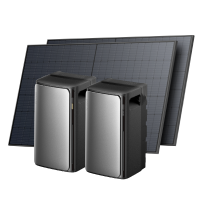
For households preparing for extreme summer weather, energy resilience is also worth considering. The EcoFlow solar battery can store excess solar power for later use, helping households maintain access to electricity during outages when the system is configured to provide backup power.
Conserve Water and Prepare for Power Outages
With the National Electricity Market (NEM) under immense pressure on blistering 40°C+ afternoons, unplanned outages and grid load-shedding remain a recurring summer hazard.
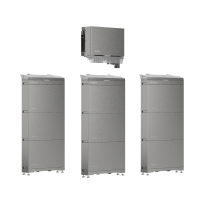
Mulching garden beds and fitting timers to bore pumps helps stretch your water supply further. Concurrently, homes with rooftop solar are in a prime position to build self-sufficiency. Rather than feeding surplus midday solar back to the grid for pennies and remaining vulnerable to blackouts, installing the EcoFlow OCEAN 2 Plus Single Phase system provides a dedicated home solar storage platform. It captures excess daytime generation, lowers reliance on pricey evening grid power, and supplies dependable backup power to keep essential circuits—like refrigerators, Wi-Fi, and fans—running smoothly when neighborhood substations drop out under extreme heat.
Schedule Your Free Consultation Today!
What kind of product or solution are you interested in?
Conclusion
A strong El Niño will not affect every part of Australia in the same way, but it does tilt the season toward hotter, drier and more fire-prone conditions. The safest approach is to prepare before the worst weeks arrive: clear gutters, service cooling systems, review your bushfire plan, save water where possible and think through how your household would manage a blackout. Small steps taken early can make summer less stressful when heat, smoke or grid pressure start to build.
FAQs
How long will El Niño last in Australia in 2026?
El Niño typically lasts between nine and twelve months, generally ramping up through late autumn or winter, peaking across the summer months (December to February), and decaying by mid-to-late autumn the following year.
What parts of Australia will be affected by El Niño?
Eastern, inland and northern Australia cop the brunt, most of Queensland, New South Wales, Victoria, eastern Tassie and parts of South Australia,mainly through less rain and more heat. WA dodges the worst of it, though its weather patterns do shift.
Will there be food shortages due to El Niño?
No, you won’t see widespread empty shelves in Aussie supermarkets. Our farmers grow far more than we eat. That said, tighter yields on domestic grain, fruit and beef can push up prices on the staples.
How long does a battery backup last when the power goes out?
A home battery backup usually keeps essential circuits going for anywhere from 8 hours to several days. How long depends on your system’s kWh capacity, how much power you’re drawing, and whether rooftop solar is topping the battery up during the day.
What are the disadvantages of solar battery storage?
The main downsides are the upfront cost of the gear and installation, the space the hardware takes up, and the steady drop in cell capacity over an 8-to-15-year working life.