Current Power Outages in Tasmania Today: How Battery Storage Improves Energy Reliability
Power outages in Tasmania can happen suddenly, especially during severe weather. While checking outage updates is the first step, having backup power can help keep essential appliances running when the grid goes down. By storing excess solar generation during daylight hours or charging during off-peak times, home batteries ensure your critical appliances—such as refrigerators, heat pumps, communications, and lights—stay running smoothly without relying on petrol generators or waiting for grid restoration.
This article explains how Tasmanian households can prepare for power outages with battery storage, covering local outage causes, solar battery benefits, essential features, generator comparisons, and cold-climate considerations.
Key Takeaways
Weather and Network Vulnerability: Tasmania power outages are commonly linked to severe weather events, fallen timber on distribution lines, and unexpected network disruptions.
Instant Emergency Power: Battery storage provides seamless backup electricity for essential household loads the moment grid supply cuts out.
Maximising Solar Generation: Combining rooftop solar with home batteries helps households store self-generated renewable energy, improving winter and storm outage preparedness.
Smart Energy Optimisation: Intelligent monitoring tools give homeowners real-time visibility to manage stored power effectively before and during extended blackouts.
How Should Tasmanian Households Prepare for Current Power Outages?
Staying comfortable and safe during an unexpected blackout requires a clear plan before the lights go out. Whether you live in downtown Hobart, rural Launceston, or the Huon Valley, preparing your home involves monitoring network updates, understanding local risks, and prioritizing where your energy goes.
Outage Information Sources
Keeping track of real-time network conditions is the first step in effective outage management. Tasmanian residents can check live power outage maps provided by TasNetworks, register for SMS status alerts, and follow local emergency broadcasts on ABC Radio during severe weather warnings. Having a battery-powered radio or keeping your mobile phone charged ensures you remain informed if cellular towers experience temporary downtime.
Common Outage Causes
Tasmania’s dramatic geography and weather patterns present unique challenges for electrical infrastructure. Strong winds associated with Tasmania’s weather systems can increase the risk of fallen branches affecting overhead power lines, while intense winter blizzards and intense rainstorms can damage transformers in regional areas. Lightning strikes and scheduled maintenance work also contribute to periodic local interruptions across both urban and rural feeder lines.
Essential Appliance Priorities
When grid power drops out, deciding which appliances take priority keeps your backup power running for longer. Maintaining food safety in your refrigerator and freezer sits at the top of the list, followed by home security systems, internet routers, and basic LED lighting. In colder Tasmanian months, keeping a heat pump or wood heater circulation fan powered can make a significant difference to household comfort during a multi-hour blackout.
Why Can Battery Storage Improve Tasmania Energy Reliability?
Relying solely on the central electricity grid leaves households exposed when storm fronts sweep across the island. Integrating battery storage transforms a standard residential setup into a resilient mini-grid capable of operating independently when external supply fails.
Grid Failure Backup
Unlike conventional grid-tied solar systems that shut down during a blackout for safety reasons, a solar-and-battery setup equipped with islanding capabilities automatically disconnects from the main network and keeps powering your dedicated home circuits. For homeowners looking to improve outage resilience, solar batteries for homes provide a practical way to store renewable energy and maintain essential electricity supply when the grid fails. The transition often happens in milliseconds, meaning sensitive electronics like computers, Wi-Fi routers, and home medical devices stay online without requiring a manual system reset.
Solar Energy Independence
Tasmania still receives usable solar generation throughout the year, but generation peaks during middle-of-the-day hours when household energy demand is typically lower. Capturing this solar energy in a residential battery prevents wasted clean electricity and builds a reserve for evening hours or unexpected outage events. This self-reliance shields households from both power disruptions and fluctuating electricity tariffs. Modern solutions such as EcoFlow Solar Battery can help Tasmanian homeowners maximise renewable energy use by storing excess solar generation and providing a more reliable backup power source when grid outages occur.
Rural Home Energy Support
Properties located in regional or semi-rural areas—such as the Tamar Valley, East Coast, or North West region—often face longer delay times for grid restoration due to long physical distribution distances. For country homeowners, battery storage delivers peace of mind by maintaining critical farm infrastructure, water pumps, refrigeration, and home heating while TasNetworks repair crews clear roads and restore regional high-voltage lines.
What Battery Storage Features Matter Most for Tasmania Homes?
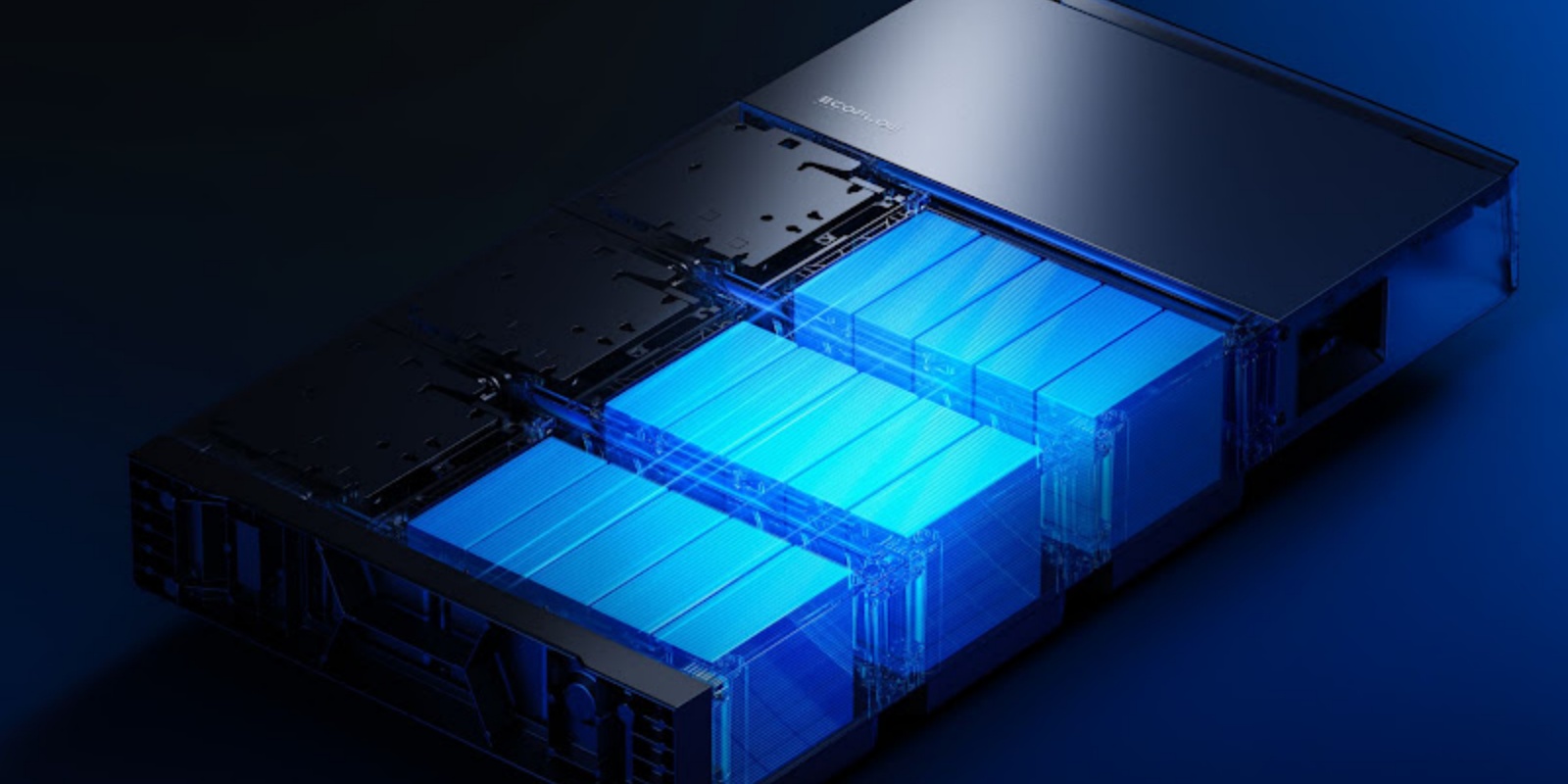
Selecting the right energy storage solution requires matching system capabilities with local climate demands and household consumption patterns. From storage size to solar charging performance, several technical aspects determine how smoothly your system performs during prolonged blackouts.
Battery Capacity Options
Every household has unique power requirements based on family size, appliance usage, and location. Choosing an appropriate battery size ensures you have adequate backup coverage without over-investing in unnecessary capacity.
| Battery Capacity Bracket | Typical Household Profile | Supported Backup Appliances | Estimated Backup Duration |
|---|---|---|---|
| 5 kWh – 7 kWh | Small apartment or 1-2 person home | Lighting, Wi-Fi, fridge, phone chargers | Several hours to around half a day |
| 10 kWh – 15 kWh | Standard 3-4 bedroom family home | Lighting, fridge, TV, heat pump (eco mode), water pump | Around half a day to one day or longer |
| 15 kWh – 20+ kWh | Large family home or rural property | Full house backup, multiple heating units, pumps, heavy loads | One day or longer depending on usage and solar recharge |
*Actual backup duration depends on household consumption, battery capacity, weather conditions, and connected appliances.
Solar Input Performance
Preparing for power outages in Tasmania isn’t just about storing backup power; it’s also about replenishing that energy once conditions improve. Because Tassie weather can shift rapidly from bright sunshine to overcast skies, a residential energy system needs to handle variable solar production efficiently. Combining solar panels with high-capacity storage solutions—such as the EcoFlow OCEAN 2 Plus Single Phase—allows households to capture available solar energy efficiently during daylight hours and extend backup power availability during prolonged grid disruptions.
Long-Term Backup Reliability
Durability matters when facing harsh weather environments. Modern home energy storage units built with Lithium Iron Phosphate (LFP) chemistry offer high thermal stability, long cycle life with many models rated for thousands of cycles, and reliable operation across a broad temperature range. These advantages are particularly valuable for households considering an off grid solar system, where reliable battery performance and long-term energy availability are essential. Ensuring your battery unit features strong ingress protection and automated thermal management guarantees reliable power delivery whether it’s installed in an unheated garage or on an exterior wall.
How Can Smart Energy Management Improve Power Outage Preparedness?
Having a battery is only part of the solution. How you manage energy use during an outage can determine whether your backup lasts a few hours or an entire day. Modern smart management software gives homeowners granular control over every watt stored in their system.
Energy Flow Monitoring
Clear visual data helps users make informed choices about power usage. Intuitive dashboards display real-time metrics showing solar panel generation, battery charge levels, home power consumption, and current grid interaction. Seeing these figures on a smartphone app or dedicated touch panel takes the guesswork out of managing power budgets.
Emergency Energy Controls
When an incoming storm warning is issued by the Bureau of Meteorology, smart systems can automatically adjust their operating modes. By prioritizing battery charging from the grid before severe weather arrives, the system can help maximise available battery capacity for emergency use. Once a blackout occurs, non-essential circuits can be automatically dialed down or isolated to preserve remaining power for critical equipment.
Smarter Home Energy Management
During an outage, knowing your remaining battery percentage and real-time power draw helps you allocate energy wisely. Prioritizing essential loads—like keeping food chilled, lighting living areas, and running medical devices—extends your battery’s operational time significantly. Smart home hubs like the EcoFlow PowerInsight 2 give homeowners a clear central display to track solar input, battery reserves, and total household consumption, making it simple to balance energy needs before and during a grid disruption.
.png)
What Should Tasmanian Homeowners Consider Before Installing Backup Power?
Upgrading your home’s energy infrastructure requires evaluating several factors, including technology options, electrical panel layouts, and professional installation requirements.
Battery vs Generator Comparison
Homeowners evaluating emergency power options often weigh the differences between traditional fossil-fuel generators and modern battery storage systems.
| Feature / Aspect | Residential Solar Battery Storage | Traditional Petrol/Diesel Generator |
|---|---|---|
| Fuel Source | Sunlight / Stored Grid Power | Petrol, Diesel, or LPG fuel |
| Noise Level | Very low operating noise compared with fuel generators | High operational noise (65–90 dB) |
| Maintenance | Minimal (no moving mechanical parts) | Regular engine servicing, oil & filter changes |
| Indoor Safety | Safe for indoor / garage mounting | Zero indoor use (toxic carbon monoxide risk) |
| Switching Speed | Automatic transfer with response time depending on system configuration | Manual start or delayed auto-transfer switch |
| Running Costs | Low / Free via solar recharge | Ongoing fuel purchasing costs |
Backup Power Requirements
Before selecting system hardware, calculate your home’s peak power demand (measured in kilowatts) and total daily energy consumption (measured in kilowatt-hours). A standard home running a refrigerator, lights, internet, and a television might require a continuous output of 2 kW to 3 kW. However, if you plan to start heavy inductive loads—such as heat pumps or water pressure systems—you will need a system capable of handling higher surge wattage without tripping.
Installation Considerations
Installing a home energy storage system in Tasmania must comply with Australian standards (including AS/NZS 3000 and AS/NZS 5139 for battery safety). Work must be completed by a licensed electrician with appropriate solar and battery installation accreditation. When planning a new system, considering how different energy technologies work together is also important. A well-designed Home Energy Ecosystem can help homeowners integrate solar generation, battery storage, and smart energy management tools into one coordinated system, making future upgrades easier while improving overall energy resilience. Key considerations include:
Assessing your existing main switchboard for backup circuit separation.
Selecting an appropriate mounting location that meets clear clearance distances from doors and windows.
Ensuring adequate ventilation and shelter from driving rain and direct snow accumulation.
Schedule Your Free Consultation Today!
What kind of product or solution are you interested in?


Conclusion
Managing power outage risks in Tasmania requires a practical approach to energy resilience. By combining residential solar panels with modern home battery storage and smart energy management tools, households across Hobart, Launceston, and regional areas can safeguard their daily routines against unexpected grid failures. Beyond providing seamless backup power during severe storms, home energy storage helps you make the most of local renewable energy, lowers grid reliance, and provides long-term peace of mind.
If you are looking to secure your home against future blackouts, consider evaluating your household energy consumption today and consulting with an accredited solar and storage installer to design a customized backup solution for your home.
Disclaimer: Energy policies, financial assistance programs, installation requirements, and product specifications may change over time. Eligibility for Tasmanian energy support schemes, including loans or incentives for energy efficiency upgrades and battery storage, depends on individual circumstances and current government criteria. Battery performance, backup duration, and system suitability vary based on household energy usage, installation conditions, weather, and selected equipment. We recommend consulting official government resources and accredited solar and battery installers to confirm the latest requirements before making energy upgrades.
FAQ
Are There Government Incentives for Battery Storage in Tasmania?
Yes, Tasmanian homeowners can access financial support through state and federal initiatives, such as the Energy Saver Loan Scheme, which offers interest-free loans to help finance eligible energy-efficient upgrades including battery storage systems.
Can Tasmania’s Climate Affect Battery Performance?
Yes, extremely cold temperatures can temporarily reduce battery discharge efficiency and chemical activity, but modern lithium storage units equipped with internal thermal management or installed in sheltered spaces can help maintain reliable performance across different seasons.
Can Solar Panels Work During a Power Outage Without a Battery?
No, standard grid-tied solar systems automatically shut down during a blackout to prevent powering de-energized lines and endangering utility technicians; a battery system with an islanding feature is required to continue generating and using solar power off-grid.
How Long Can a Battery Power a Home During an Outage?
A fully charged 10 kWh to 15 kWh battery can power essential household appliances—such as lighting, refrigeration, communication devices, and basic heating—for 12 to 24 hours or longer, especially when paired with solar panels for daytime recharging.