Solar Panel Cost in 2026: Is It Really Worth the Investment?
The solar panel cost is a major consideration for homeowners and businesses seeking to switch to renewable energy solutions. As electricity prices continue to rise, understanding the cost of solar panels is essential to determine whether the investment is worthwhile. Solar energy is now being considered as a viable alternative to traditional power sources. The overall expense mainly depends on factors such as panel quality, system size, and installation requirements. Evaluating both the long-term value and upfront costs is essential before transitioning to solar power.
Introduction to solar panels
Solar panels convert sunlight into electricity using photovoltaic technology, making them a great renewable energy solution for homes and businesses. One of the biggest benefits of solar panels is the long-term reduction in monthly electricity bills. The average cost of residential solar panels varies depending on factors such as panel type, system size, and installation complexity. Several utility providers and governments also offer rebates, tax credits, and financing options, making solar panel adoption more affordable.
How much do solar panels cost in Australia in 2026?
Solar panel prices in Australia continue to vary based on system size, installation complexity, panel quality, and local rebates available in each state. In 2026, homeowners can generally expect larger systems to offer better value per watt, while costs may differ noticeably between cities due to labor rates, demand, and sunlight conditions.
Solar panel cost by system size (4kW–10kW)
Disclaimer: The costs listed below are indicative averages for 2026 based on market estimates. Actual prices may vary depending on the installer, equipment quality, and location.
System size | Total cost | Cost with tax credit | Cost per watt |
4 kW | $14,560 | $10,192 | $3.64 |
5 kW | $16,800 | $11,760 | $3.36 |
6 kW | $19,140 | $13,398 | $3.19 |
7 kW | $21,490 | $15,043 | $3.07 |
8 kW | $23,840 | $16,688 | $2.98 |
9 kW | $26,280 | $18,396 | $2.92 |
10 kW | $28,600 | $20,020 | $2.86 |
Solar panel cost by city and state
Disclaimer: Prices listed are indicative averages in AUD for May 2026, based on market estimates for standard residential installations (single-phase, tile roof, no major electrical upgrades). Actual costs may vary significantly depending on the installer, panel brand, roof complexity, and location accessibility.
May 2026 | 3 kW | 4 kW | 5 kW | 6 kW | 7 kW | 10 kW |
Adelaide, SA | $3,760 | $4,250 | $4,920 | $5,730 | $6,470 | $8,690 |
Brisbane, QLD | $4,090 | $4,800 | $5,370 | $6,040 | $6,840 | $8,930 |
Canberra, ACT | $4,070 | $4,460 | $4,920 | $5,280 | $6,320 | $7,800 |
Darwin, NT | $6,250 | $7,830 | $8,470 | $9,890 | $10,490 | $14,930 |
Hobart, TAS | $4,460 | $5,410 | $6,010 | $7,030 | $7,780 | $11,060 |
Melbourne, VIC | $4,010 | $4,470 | $5,100 | $5,660 | $6,400 | $8,750 |
Sydney, NSW | $3,610 | $4,120 | $4,810 | $5,470 | $6,100 | $8,110 |
Perth, WA | $3,260 | $3,650 | $4,080 | $4,800 | $5,360 | $8,510 |
All | $4,190 | $4,870 | $5,460 | $6,240 | $6,970 | $9,600 |
Solar panel cost vs total installed system cost
Component | Average cost | Percentage of cost |
Solar panels | $3,801 | 12% |
Solar inverter(s) | $3,111 | 10% |
Packing equipment | $1,037 | 3% |
Electrical wiring | $2,650 | 9% |
Supply chain costs | $2,765 | 9% |
Sales tax | $691 | 2% |
Installation labor | $2,074 | 7% |
Sales and marketing | $5,531 | 18% |
Overhead costs | $3,226 | 11% |
Solar installer profit | $3,226 | 11% |
Permitting & Interconnection | $2,421 | 8% |
Are upfront payments of solar panel costs worth it?
The upfront solar panels on a home may seem high, but they offer long-term financial value through reduced electricity bills. The good news is that homeowners can recoup their investment within several years while continuing to save on electricity costs. Solar panels also provide energy independence and increase property value over time. Government financing options and incentives also decrease the burden of the initial payment.
Factors that affect solar panels' cost
System size: The size of a solar panel system directly affects installation costs. Although larger systems generate more electricity, they require more inverters, panels, and installation work. Homes with higher energy consumption usually require larger systems, which increases the solar panel costs for homes.
Solar panel brand and quality: Different brands offer varying levels of durability, efficiency, and warranty coverage. In general, premium brands cost more because they utilize higher-quality materials and advanced technology.
Installation complexity: The roof's angle, condition, and design significantly affect installation costs. Difficult installation locations or complex roofs may require mounting equipment, additional labor, or structural modifications, which increase both labor costs and overall project expenses.
Geographic location: Solar panel prices vary, depending on the climate, region, and local labor rates. Areas with higher sunlight exposure generally offer greater savings potential and improved energy production. Additionally, permits, local regulations, and utility requirements influence installation costs.
Government incentives and taxes: Rebates, tax credits, and solar incentive programs significantly reduce the cost of installing solar panels. Some regions offer financial support to encourage renewable energy adoption. However, regions with higher taxes and fewer incentives may lead to higher net solar panel costs.
Expert tips to maximize solar savings and shorten payback time
Compare multiple solar quotes
Getting quotes from various solar installation companies lets you compare warranties, pricing, and included services. Some installers may offer lower labor costs or better financing options than others. Comparing multiple proposals helps identify add-ons that increase the overall project cost. Careful research can also decrease the solar panel system cost.
Invest in energy-efficient usage
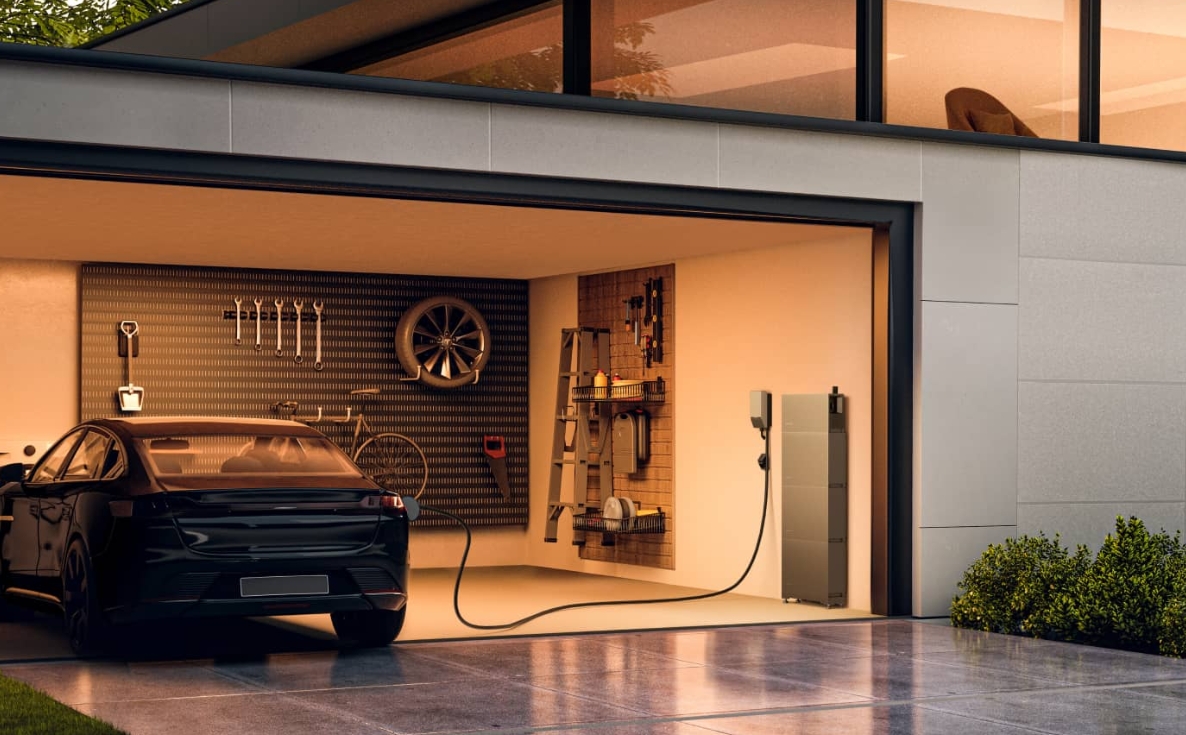
Reducing the electricity waste lowers the number of solar panels needed for a property. Efficient appliances, smart energy habits, and proper insulation help in maximizing solar performance. Using efficient systems, like EcoFlow PowerOcean Single-phase, improves energy storage and usage efficiency. It is a home battery system that can be installed on either a wall or the floor, offering storage capacities from 5 kWh up to 15 kWh with a single inverter. It also helps homeowners optimize overall power consumption, reducing reliance on grid electricity.
Discover how EcoFlow professional energy consultants can help—schedule a consultation at your convenience.
Schedule Your Free Consultation Today!
What kind of product or solution are you interested in?


Take advantage of incentives and rebates
Tax credits, government incentives, and local solar rebate programs significantly reduce the solar panel system cost. Several utility providers also offer net metering benefits, which improve long-term savings. To further reduce the initial investment, you should research the available financial support before installation. These programs help in making solar panels a viable and affordable choice for homeowners and businesses.
Select durable and reliable equipment
Choosing high-quality components reduces future maintenance and replacement costs. Cheap equipment lowers efficiency and increases repair expenses over time. Reliable systems with strong warranties offer better performance, stability, and long-term savings. Investing wisely in durable equipment often lowers the total ownership costs.
Use a smart energy monitoring system
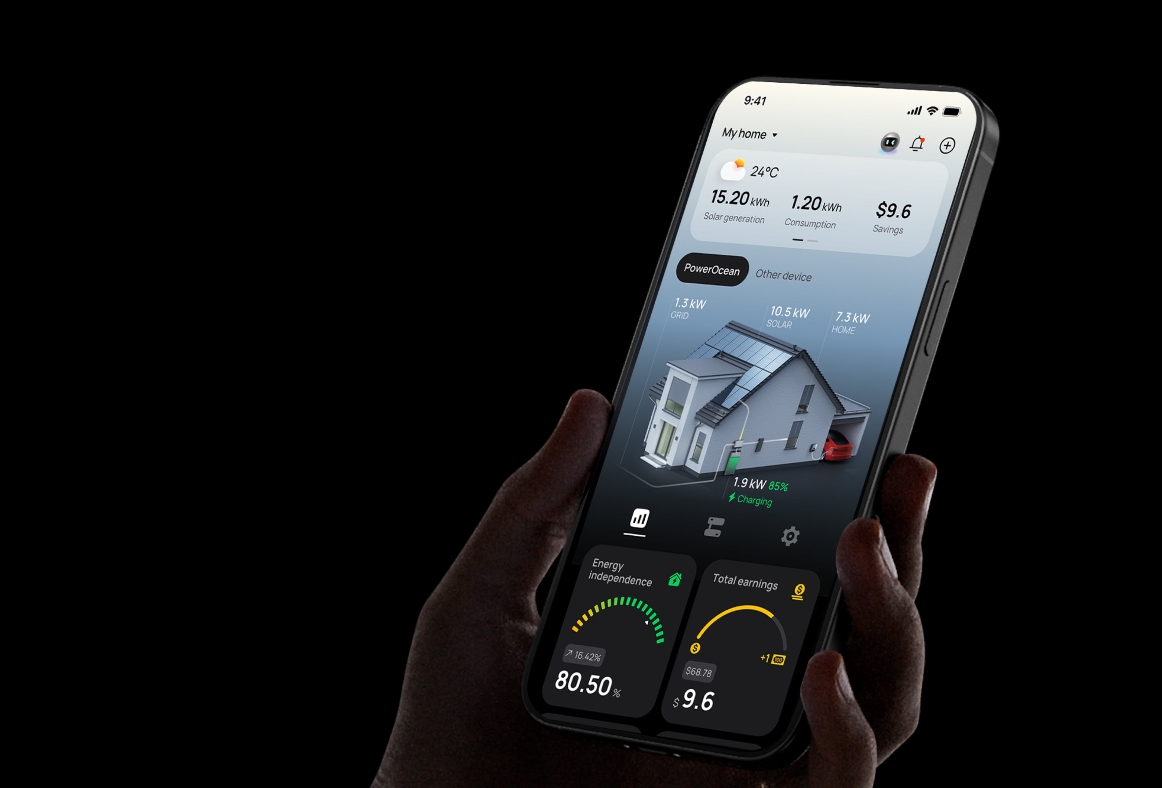
Monitoring energy usage helps identify areas where electricity is being wasted. Smart management tools, such as EcoFlow HEMS (Home Energy Management System), enable users to track energy consumption and monitor prices in real-time. It intelligently charges your battery when electricity prices are low and powers your home from stored energy when rates are high. In this way, you can schedule energy usage during low-cost periods, enhancing overall efficiency and reducing long-term energy expenses.
Conclusion
Solar panels are becoming a practical long-term solution for people seeking to reduce electricity expenses and dependence on traditional energy sources. Although the upfront solar panels and battery cost is quite high, the long-term savings, government incentives, and improved property value make the investment unique and worthwhile. Carefully comparing your options, understanding the energy requirements, and selecting reliable equipment help ensure financial returns and long-term solar performance.
FAQs
How long do solar panels last?
Most solar panels last between 25 and 30 years with quality installation and proper maintenance. Although the efficiency of solar panels decreases over time, they can still generate electricity efficiently for decades. Premium solar brands offer long warranty coverage for long-term reliability. Pairing your solar systems with monitoring systems, such as EcoFlow HEMS, enables you to track performance and optimize energy use over time.
Why is my bill so high if I have solar power?
A high electricity bill, despite having solar panels, usually results from poor system sizing, increased energy usage, seasonal weather conditions, or higher nighttime electricity consumption. In a few cases, utility charges and grid connection fees might still apply even with the solar installed. Carefully monitoring daily energy consumption helps identify unnecessary electricity waste.
Do solar panels and battery costs vary by home size?
Yes, larger homes usually need larger solar systems and greater battery storage capacity due to higher electricity consumption. More inverters, panels, and batteries increase both the equipment and installation costs. Smaller homes require less energy, which makes solar systems much more affordable.
How much do solar panels cost if I use a solar loan?
Solar panel costs with a solar loan depend on the system size, interest rate, loan term, and the financing provider. Monthly payments are usually spread over years, making them more affordable upfront. Although loans increase the amount paid over time due to interest, they decrease the burden and stress of initial payments.
Is solar still worth it in 2026?
Yes, solar remains a good and worthwhile investment even in 2026, given rising electricity prices, improved solar technology, and long-term energy savings. Financing programs and government incentives decrease the cost of solar panels, making the installations more accessible to businesses and homeowners. Modern solar systems also offer higher efficiency and smarter energy management features compared to older systems.