Cheap Electric in Melbourne: How Solar and Battery Storage Can Help Reduce Energy Bills
Finding cheaper power in Melbourne requires a dual approach: comparing competitive retail tariffs and actively shrinking your reliance on grid electricity. While shopping around on Victorian Energy Compare helps secure a better reference price discount, long-term savings stem from generating and storing your own electricity. Pair rooftop solar panels with a home battery storage system to capture daytime generation and power your home through evening peak rates, helping reduce reliance on grid electricity and potentially lower energy costs over time.
Key Takeaways
Comprehensive Savings: Melbourne households bring power bills down by combining better energy plans, smarter usage habits, solar, and battery storage.
Beyond the Headline Rate: The cheapest per-kWh plan doesn’t always give you the lowest bill. Supply charges, peak tariffs, and when you actually use power all play a part.
Greater Energy Independence: Solar and battery storage can increase household energy independence by allowing more self-generated electricity to be used when demand is higher.
Active Optimisation: Smart energy management gives you real-time visibility, automatically balancing your loads and making sure you get the most out of your system.
How Can Melbourne Households Choose the Right Strategy to Lower Electricity Bills?
Selecting an effective strategy to trim down your power bills requires understanding how electricity is bought, measured, and consumed across Victoria’s unique energy market.
Energy Plan Comparison
Finding a better retail rate often serves as the easiest first step for Melburnians wanting quick relief on their power bills. Using independent platforms like the Victorian Government’s Victorian Energy Compare portal allows you to evaluate your current usage against active retail offers. Rather than simply looking at advertised percentage discounts, pay close attention to daily supply charges—a fixed cost you pay regardless of how much power you consume—and the exact cents-per-kilowatt-hour (c/kWh) usage rates.
Cost Influencing Factors
Your total power bill comes down to more than just the usage rate on paper. It’s a mix of daily connection fees, flexible tariff bands, and peak periods. Across Melbourne electricity networks such as Jemena, CitiPower, Powercor, AusNet, and United Energy, peak pricing commonly applies during late afternoon and evening hours, although exact times vary depending on your retailer and tariff structure. Run your washing machine, dishwasher, or pool pump during those peak hours, and your quarterly bill climbs fast, no matter what your base rate is.
Solar Battery Timing
Timing matters when it comes to getting the most out of your solar and battery investment. Solar panels alone will slash your daytime bills, but any power you don’t use gets exported for a modest feed-in tariff. Add a battery when your usage shifts into the evening, and you keep that cheap self-generated power instead of paying peak prices to buy it back.
How Can Solar and Battery Storage Reduce Electricity Costs in Melbourne Homes?
Solar panels generate power during the day, but a battery helps you make better use of that energy after the sun goes down.
Rooftop Solar Savings
Melbourne’s climate still delivers plenty of sun across the year, making rooftop solar one of the most effective ways to start saving straight away. Generating your own power during the day offsets what you’d otherwise buy from the grid. For households looking to maximise self-consumption, solar batteries for home can store excess daytime generation and make that energy available during evening peak periods. On suitable spring or summer days, a typical 6.6 kW solar system can generate enough electricity to offset a significant portion of daytime household consumption, depending on system design, weather conditions, and usage patterns.
Peak Cost Management
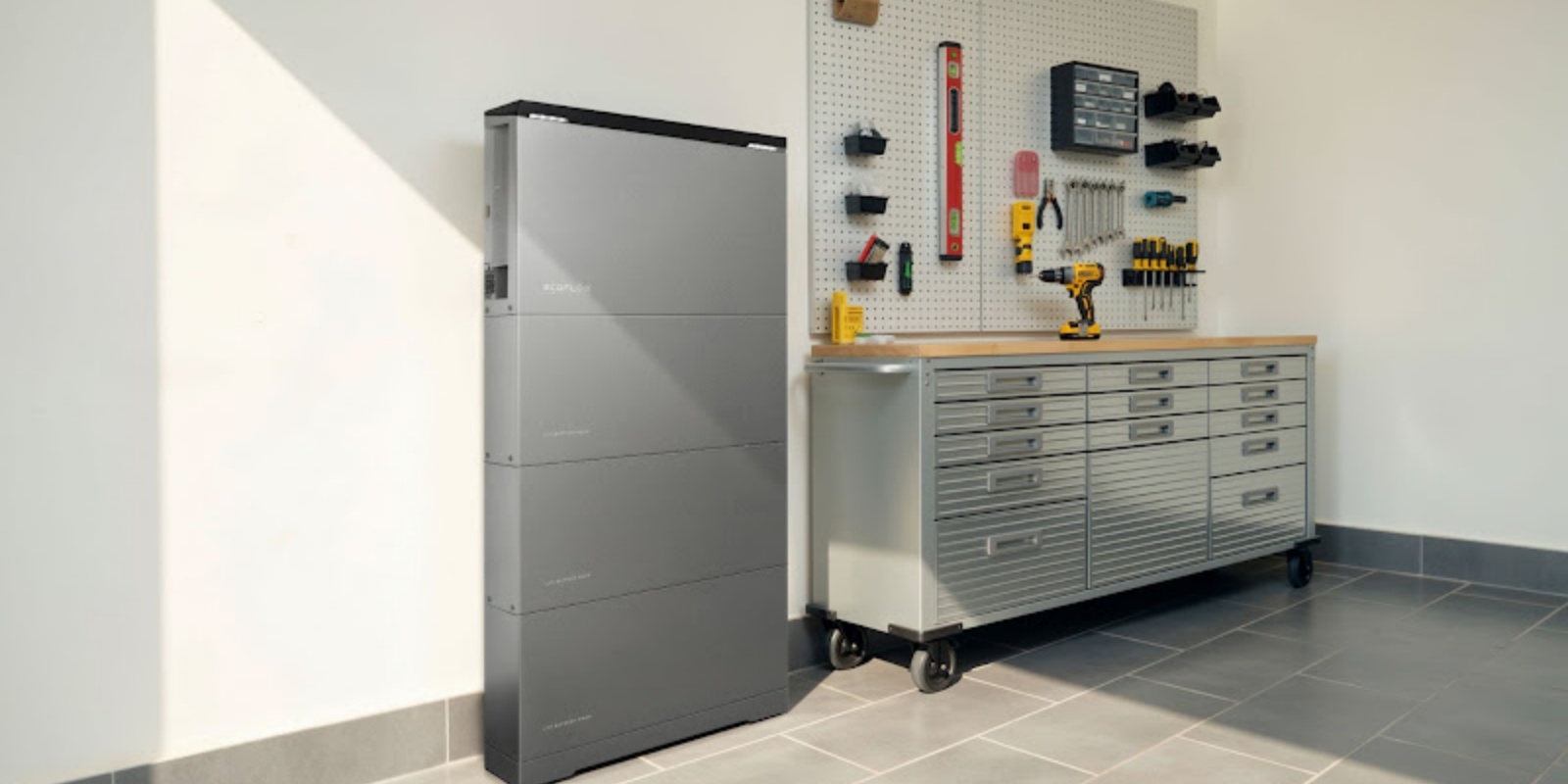
Evening routines across Melbourne, cooking dinner, running reverse-cycle air con, and charging devices, hit right when grid prices are at their highest. That mismatch between daytime solar and evening demand is what stops most people from getting true energy independence. A battery bridges the gap. Capture your surplus solar during the day, use it during peak hours, and flatten your evening power costs. Choosing a suitable EcoFlow Solar Battery solution can help households store excess solar generation more effectively and improve solar self-consumption by reducing the amount of electricity purchased from the grid during higher-cost periods.
Future Energy Expansion
Melbourne homes are moving away from gas and picking up EVs, heat-pump hot water, and induction cooktops. That’s changing how much power they use, and when. Heating the place on a cold July night or charging an EV overnight needs a proper high-capacity solution.
Scalable systems like the EcoFlow OCEAN 2 Plus Single Phase show how homeowners can pair solar with modular storage that adapts to changing energy needs over time. With the right system sizing and energy management strategy, households can better manage electricity costs as their consumption patterns change.
What Determines the Cost and Value of Solar Battery Systems in Melbourne?
Evaluating the financial return of a residential energy storage system requires looking at initial capital layout alongside long-term tariff savings and state government rebates.
Installation Cost Factors
Upfront system expenses vary based on overall battery capacity, power output ratings, inverter compatibility, and existing electrical switchboard setups. Understanding solar battery cost factors helps homeowners compare different storage options, as pricing depends on battery size, installation complexity, available incentives, and the electrical requirements of the property. Simple installations on modern single-phase homes tend to carry lower labor costs, whereas older dwellings across inner-city Melbourne might require switchboard upgrades or specialized mounting hardware before battery connection.
Tariff Impact on Savings
Your current electricity tariff structure heavily influences how quickly a solar battery pays for itself. Households on Flexible (Time-of-Use) tariffs see the highest financial payback, as the battery displaces expensive peak grid electricity charged at high c/kWh rates. Under flat-rate tariffs, savings remain steady but less pronounced, making an optimized tariff structure a vital component of battery value.
Victorian Solar Incentives
Victorian residents benefit from state-level support programs designed to lower renewable hardware adoption costs. Programs managed by Solar Victoria may offer rebates or interest-free loans for eligible solar and battery installations, depending on current program availability and eligibility criteria. Taking advantage of these state incentives reduces upfront capital outlay and noticeably shortens your overall system payback period.
Long-Term Investment Value
| Energy System Configuration | Grid Dependence | Peak Bill Impact | Primary Financial Benefit |
|---|---|---|---|
| Grid-Only | High reliance on grid electricity | Fully exposed to retail price changes | Lowest upfront cost |
| Solar Only | Reduced daytime grid consumption | Evening usage still depends on grid prices | Immediate daytime savings |
| Solar + Battery Storage | Further reduces reliance on grid electricity | Helps reduce peak-rate purchases | Greater energy flexibility and resilience |
How Can Melbourne Homes Maximise Energy Savings After Installing Solar and Battery Storage?
Unlocking maximum savings from your battery system requires fine-tuning household habits and leveraging smart energy monitoring technology.
Solar and Energy Monitoring
Installing hardware is only half the battle; knowing when and where your power is consumed completes the puzzle. Many Melburnians discover that running heavy appliances while solar panels are producing daytime energy leaves the battery fully charged for the night. Without clear visibility, households often miss simple opportunities to optimise their self-consumption balance. A connected Home Energy Ecosystem allows homeowners to monitor, manage, and coordinate different energy devices more effectively, helping them make smarter decisions about solar generation, battery usage, and household consumption patterns.
Real-Time Energy Management
Real-time energy tracking tools give homeowners clear insight into real-time solar generation, current battery state-of-charge, and actual household power draw. Dedicated hardware interfaces like the EcoFlow PowerInsight 2 provide practical visibility for home energy management. By displaying real-time energy flows between solar generation, storage systems, and household loads, users can better understand consumption patterns and adjust energy habits.
Smarter Energy Habits
Adopting simple, automated habits pays massive dividends over time. Setting timers on dishwashers, washing machines, and pool heat pumps to run sequentially during peak solar hours ensures your battery remains fully charged for evening lighting, cooking, and climate control. This practical shift in daily timing ensures minimal reliance on grid power round the clock.
.png)
How Can Melbourne Homeowners Prepare for Future Energy Needs?
Designing an energy system today means planning for the higher electrical demands of tomorrow’s fully electrified household.
Battery Capacity Matching
Choosing the right battery storage capacity requires balancing your typical evening energy footprint with surplus daytime solar output. A system that is too small leaves you reliant on grid power during late hours, while an oversized system increases initial capital costs without delivering proportional savings. Matching storage capacity to actual daily usage ensures optimal efficiency.
System Performance Management
Regular maintenance, software updates, and basic checks keep your solar and battery running at their best. Make sure your panels stay clear of debris and keep an eye on inverter output through the app so you catch any drop in performance before it costs you.
Changing Energy Requirements
Household energy profiles evolve over time as families grow or purchase electric vehicles. Selecting modular, expandable battery solutions ensures you can add extra capacity down the track without replacing your core electrical infrastructure, keeping your home future-proof and budget-friendly.
Schedule Your Free Consultation Today!
What kind of product or solution are you interested in?


Conclusion
Cutting your power bill in Melbourne isn’t just about comparing tariffs or rationing the air con. Real savings come from taking control of your energy. Solar panels, a decent battery, and smart management let you generate your own power, store it, and use it when it suits you. That way you’re not at the mercy of price spikes, and helping you better manage electricity costs over the long term.
Disclaimer: Electricity prices, retail plans, government incentives, and solar battery program details in Victoria may change over time. Eligibility for rebates, loans, and energy support programs is subject to current government requirements and individual circumstances. Solar and battery savings vary depending on your energy usage, system size, electricity tariff, installation conditions, and market changes. We recommend checking the latest information through official sources such as Victorian Energy Compare and Solar Victoria before making energy upgrade decisions.
FAQ
What's the cheapest electricity provider in Melbourne?
There’s no single answer. Rates depend on your network zone and how you use power. Retail offers change all the time, so the best way to compare is on the Victorian Energy Compare website using your actual meter data, not just the discount percentages.
How can I reduce my electricity bill in Melbourne?
Shift your major usage to daylight hours and get a battery to cover evening peaks. Combine that with simple habits like setting your reverse-cycle heating to 18-20°C in winter and switching off standby power, and you’ll see real long-term savings.
Are time-of-use plans cheaper in Melbourne?
Only if you can shift your big usage out of peak afternoon and evening periods. If your household uses most of its power between 3 pm and 9 pm, a time-of-use plan could actually cost you more unless you’ve got a battery to store cheap power for later.
Is battery storage worth it for Melbourne homes?
If you’ve got solar and use a lot of power in the evening, yes. A battery lets you store cheap daytime solar and use it overnight, protecting you from rising tariffs and making your solar system work harder for you.
Can solar batteries help during Melbourne power outages?
If your battery is set up with backup capability, it can keep essential circuits like the fridge, lights, and Wi-Fi running when the grid goes down. Depends on how it’s wired to your switchboard, but it’s a solid layer of protection.