Can I Add a Solar Battery to My Existing System? Costs, Benefits and Upgrade Options
Yes, most existing solar systems in Australia can be upgraded with battery storage, provided the inverter, wiring, and system conditions are suitable. Depending on what you’ve already got, you can either add an AC-coupled battery alongside your current inverter, or swap out the old unit for a hybrid inverter in a DC-coupled setup.
This guide runs through your retrofitting options, what it actually costs, technical compatibility, and smart energy management tailored to Australian homes.
Key Takeaways
Boost Self-Consumption: Retrofitting a battery means you keep your excess daytime solar on-site instead of exporting it to the grid for next to nothing.
Flexible Upgrade Paths: You’ve got two options. Stick with your current inverter and go AC-coupled, or replace it with a modern hybrid inverter for a DC-coupled setup. Which one makes sense depends on how old your gear is and what condition it’s in.
Transparent Pricing: Expect to pay somewhere between $7,000 and $15,000+ installed. The final figure comes down to storage capacity, switchboard work, and whether you want backup circuits.
Future-Proofing Matters: Go for a scalable system with smart energy management built in. That way it’s ready for EV chargers, heat pumps, and whatever else electrification throws at you down the track.
Why More Australian Homeowners Are Adding Batteries to Existing Solar Systems
For years, solar panels on their own were enough to keep power bills in check. But the Australian energy market has shifted pretty dramatically over recent seasons, and the focus has moved from generating solar to actually holding onto it.
Rising Electricity Costs
Retail power prices across NSW, Queensland, Victoria, and South Australia have climbed steeply. And the real sting is that peak rate periods, which often occur in the late afternoon and evening depending on your electricity plan, when families are home, the air con’s on, and dinner’s cooking, hit right when solar generation is winding down. Without a battery, many households may need to purchase electricity from the grid during higher-demand periods when solar generation is unavailable.
Energy Usage Control
Not that long ago, generous feed-in tariffs paid you well for sending solar back to the grid. These days, it’s a different story. In many Australian regions, solar feed-in tariffs are often significantly lower than household electricity rates, with some offers around 3c to 7c per kWh, while retail electricity rates in some regions can exceed 35c per kWh depending on location and plan. Storing excess solar in a home battery allows households to use more self-generated electricity outside solar production hours, instead of relying on the retailers and their ever-shifting prices.
Backup Power Needs
Extreme weather events and occasional grid disruptions have increased awareness of backup power needs among Australian households. A retrofitted battery with backup capabilities ensures that essential appliances—such as refrigerators, lights, Wi-Fi routers, and medical devices, keep running uninterrupted during local power outages.
Can You Add a Battery to an Existing Solar System?
Technically speaking, retrofitting storage is straightforward, but the exact mechanism depends on your current equipment’s age, brand, and layout.
Battery Upgrade Options
Homeowners generally have two main technical pathways when adding battery storage. Understanding the solar battery installation process can help you decide whether an AC-coupled retrofit or a DC-coupled hybrid system is the better fit for your existing solar setup.
AC-Coupled System: The new battery comes with its own built-in charger/inverter and connects directly to your home’s AC switchboard. Your existing solar inverter remains untouched on the wall. This is the most popular choice for systems under 5–7 years old.
DC-Coupled System: Your old solar inverter is removed and replaced with a modern “hybrid” inverter that manages both the rooftop PV panels and the new battery storage from a single unit.
Inverter Compatibility
If your inverter is a standard grid-tied unit and doesn’t support batteries, going AC-coupled is usually the quickest and simplest way to add storage. But if your inverter’s getting on, 8 to 10 years old, it’s worth swapping it for a hybrid inverter while you’re at it. You’ll end up with a cleaner setup and better efficiency overall.
Solar System Size Impact
How much extra power does your current solar system actually produce? A standard 6.6 kW setup in regions such as Queensland or WA may generate enough surplus solar during higher-production months to help charge part of a 10 to 15 kWh battery, depending on household consumption and system orientation. If your system’s smaller, around 3 or 4 kW, think about adding a few more panels when you install the battery. That way you can still charge it up on cloudy winter days.
| Feature / Factor | AC-Coupled Retrofit | DC-Coupled (Hybrid) Replacement |
|---|---|---|
| Existing Inverter | Kept in place (No replacement needed) | Replaced with new Hybrid Inverter |
| Best For | Systems with compatible existing inverters | Older systems needing inverter replacement or larger upgrades |
| Installation Complexity | Lower – fast electrical installation | Moderate – requires rewiring PV strings |
| Round-Trip Efficiency | May be slightly lower due to additional conversion | May offer higher efficiency by reducing conversion steps |

How Much Does It Cost to Add a Solar Battery to an Existing System in Australia?
While solar panel costs have dropped significantly over the past decade, battery storage represents a meaningful investment that requires careful financial assessment.
Battery Upgrade Costs
In the current Australian market, adding a quality residential battery (ranging from 5kWh to 15kWh usable capacity) typically costs around $7,000 to $15,000+, depending on battery size, installation complexity, and available incentives. Understanding solar battery cost before upgrading helps homeowners compare different storage capacities, installation requirements, and potential long-term savings. Small modular batteries start near the lower end, while fully integrated high-capacity systems sit at the top of the range.
Electrical Upgrade Requirements
Beyond the battery unit itself, total installation costs can be influenced by your home’s switchboard condition. Older Australian homes may require a main switchboard upgrade, meter box alterations, or safety switch updates to satisfy current AS/NZS 5139 safety standards for battery installations. Adding dedicated emergency backup circuits for critical household loads can also add $500 to $1,500 in labor and components.
Battery Payback Factors
Working out your return on investment comes down to how you use power day to day, your local electricity rates, and any state battery rebates you can tap into, like the ones in Victoria or the ACT. On average, some Australian households with higher evening electricity usage may see payback periods of around 6 to 9 years, although the actual timeframe depends on electricity tariffs, battery usage patterns, available incentives, and system size. And since most decent batteries come with a 10-year warranty, you’re still getting years of savings after it’s paid itself off.
How Should You Choose the Right Battery Upgrade Solution?
When you’re upgrading an existing solar setup, you’ve got to look beyond just what you need right now. Think about how your lifestyle and appliances are going to change over the next few years.
Battery Capacity Matching
A common trap is buying a battery that’s too small to get you through the night, or too big for your panels to actually fill up on a winter’s day. Check your smart meter data. If your place uses 10 kWh between sunset and sunrise, aim for a battery with usable capacity somewhere around that number. Choosing a reliable EcoFlow Solar Battery solution can also help homeowners match storage capacity with future energy needs, especially when planning for higher electricity consumption from EVs, heat pumps, and other electrified appliances.
Future Expansion Capability
When you’re upgrading an existing solar system, you need to think beyond just the battery you’re putting in now. A lot of Aussie homes originally sized their solar for basic daytime use, but with EVs, heat pumps, and all-electric appliances coming into the picture, storage needs are only going to grow.
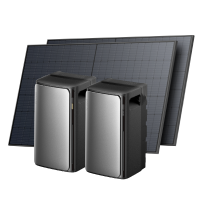
Picking an upgrade that works with your current panels and gives you room to expand is the smart way to keep long-term costs in check. The EcoFlow OCEAN 2 Plus Single Phase is a good example of what to look for. It supports up to 24 kW of PV input, making it suitable for larger residential solar arrays. With up to 60 kWh of storage per inverter, homeowners can gradually expand their storage capacity as energy needs grow, rather than installing more storage capacity than your household currently requires.
Smart Energy Monitoring
Once you’ve added a solar battery, keeping an eye on your solar output, battery charge level, and household consumption is key to making sure you’re actually getting the savings you signed up for. For Aussie homes that have recently added a battery, especially with big draws like air con, heat pumps, or EVs, your usage patterns change in ways your old meter just won’t show you.
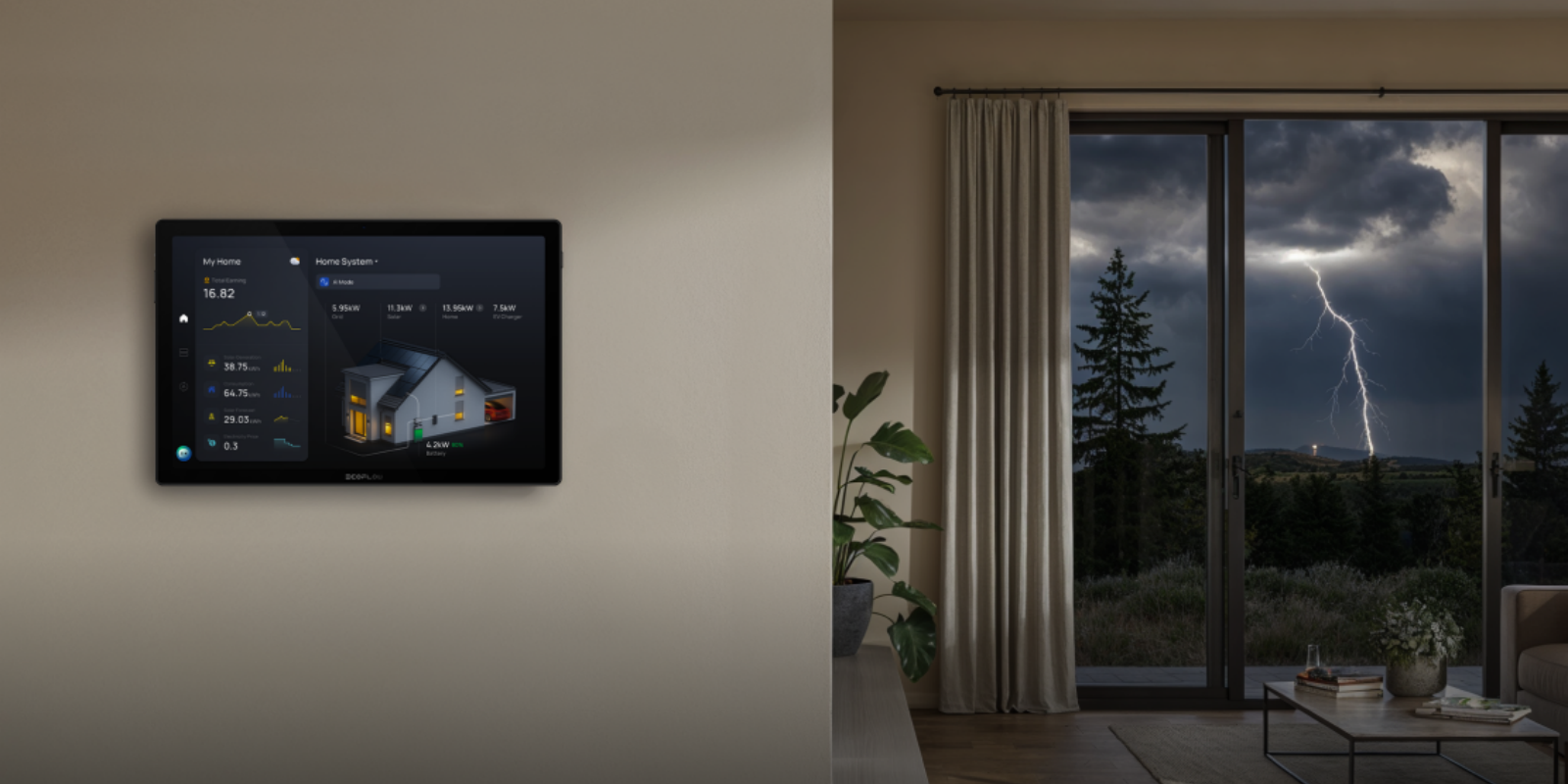
The EcoFlow PowerInsight 2 is a solid tool for getting a handle on all that. Its 11-inch touchscreen gives you a clear, live view of solar generation, battery storage, appliance draw, and grid flows. You can see straight away how things are tracking and where you could do better. Under the hood, the AI Energy OS analyses household energy patterns over time and helps optimise energy management decisions to improve battery usage efficiency.
How Can Solar Battery Upgrades Support Future Energy Needs?
A high-capacity battery gives your home greater energy independence, helping you use more renewable power and reduce reliance on fossil fuels.
Home Electrification Demand
As more Aussie households ditch gas for reverse-cycle air con, swap cooktops for induction, and plug in EVs, daily electricity demand may increase significantly as households adopt EVs, heat pumps, induction cooking, and other electric appliances. A retrofitted solar battery gives you the baseline storage you need to handle those heavier loads without copping a huge hit on your grid supply charges. Building a connected Home Energy Ecosystem allows your solar, battery storage, EV charging, and smart appliances to work together more efficiently as household energy needs continue to evolve.
Solar Investment Value
Without a battery, a big chunk of your rooftop solar goes to waste or gets sold back for next to nothing. Adding storage can help homeowners make greater use of the solar energy their existing panels generate and makes sure you’re actually getting the most out of the system you already paid for.
Future Price Protection
Energy markets are unpredictable. Set up your own home microgrid with decent solar storage and smart monitoring, and you can help reduce exposure to future electricity price increases and changing tariffs.
Schedule Your Free Consultation Today!
What kind of product or solution are you interested in?


Conclusion
Adding a battery to your existing solar is one of the options many homeowners are considering as energy costs and household electricity demand change. Whether you go with an AC-coupled add-on or swap out your inverter for a hybrid, adding storage turns your existing solar system into a more flexible energy setup that can power your home when solar generation drops.
Go with a system that lets you scale up, has plenty of PV input headroom, and comes with intuitive smart monitoring. That way your solar investment keeps delivering, low bills and all, no matter how your energy needs change down the track.
Disclaimer: Solar battery costs, electricity tariffs, available incentives, and product specifications may change over time. Actual savings and payback periods vary depending on factors such as location, energy usage, existing solar system conditions, and installation requirements. Consult a qualified installer for advice based on your home’s specific needs.
FAQ
What happens if my existing solar inverter is not battery compatible?
You can install an AC-coupled battery that runs alongside your current inverter without having to replace it. Or if you prefer, you can swap out the old inverter for a hybrid model that manages both your panels and battery in one unit.
Can my old solar panels work with a new battery?
Yes, they’ll work just fine, as long as the panels are in safe working order and generating enough surplus power. An accredited CEC installer will check your array’s voltage and general condition before fitting the battery.
How long does it take to install a battery on an existing solar system?
A standard residential battery retrofit often takes around half a day to one day, although more complex installations involving switchboard upgrades or additional electrical work may take longer. The installation process is usually completed within a day, with minimal disruption to your home’s power supply during the main electrical cut-over.
Can I upgrade my solar panels and battery storage together?
Yes, combining a panel expansion with a battery upgrade is a very common practice for growing households. Doing both at once saves on electrician labor costs and allows your installer to design an optimally balanced system from day one.
Does adding a battery automatically provide backup power during outages?
No, backup functionality depends on whether your battery system includes emergency power supply (EPS) hardware and how your switchboard is wired. You must specify to your installer that you want backup protection so they can isolate critical home circuits during a blackout.