7.1 kW Split System Energy Usage: How Australian Homes Can Reduce Cooling Costs
A 7.1 kW split system typically uses around 1.5 to 2.5 kW of electrical power while actively cooling, although the actual draw varies depending on outdoor temperature, room conditions, and inverter performance. With an inverter model, power consumption can be reduced after the set temperature is reached, as the compressor adjusts its output to maintain indoor comfort.
At an electricity rate of around 35 cents per kWh, this could cost roughly 50 to 90 cents per hour depending on the operating load. Over eight hours of cooling, the total cost may range from around $4 to $7.20 before considering factors such as solar generation, tariffs, and actual compressor cycling.Run it with a modern inverter, set it to 24°C, and back it with solar, and you may be able to reduce cooling-related electricity costs by using solar generation, efficient settings, and battery storage, depending on your household setup.
This guide breaks down what these units actually consume, the habits that quietly push your bills up, and practical ways to cut costs. From smarter daily settings to solar and battery integration.
Key Takeaways
Thermal Capacity vs. Power Input: That 7.1 kW rating is thermal extraction, not electrical draw. Depending on the model and operating conditions, electrical input may commonly fall somewhere around 1.5–2.5 kW while actively cooling, but actual consumption can be higher or lower.
Cost Drivers: Poor insulation, setting the thermostat below 23°C, and if you’re on a time-of-use tariff, running the air conditioner during your retailer’s peak pricing periods can increase cooling costs. Peak periods vary by electricity plan and location, so check your tariff before adjusting usage.
Smart Thermostat Strategy: Lower thermostat settings generally increase cooling demand because the system has to work harder to maintain a larger temperature difference between indoors and outdoors. It adds up.
Solar Syncing: Pre-cool your home during the day when solar generation is available, helping reduce reliance on grid electricity during evening periods. That way you’re not leaning on expensive grid power in the evening.
Battery Optimization: Battery storage, combined with energy monitoring, can help shift some daytime solar generation into evening cooling periods, potentially reducing reliance on grid electricity during higher-tariff periods.
How Much Energy Does a 7.1 kW Split System Use?
When you’re looking at air conditioners or trying to make sense of your summer power bill, all those specs can get confusing fast. Getting a handle on how electrical input turns into cooling output is the first step to getting on top of your home’s energy use.
Cooling Capacity And Electricity Consumption
A common point of confusion is the difference between cooling capacity and actual power draw. That “7.1 kW” number is thermal output, what it can shift out of the room. But thanks to efficient inverter tech, the system pulls far less from the wall. Modern units deliver around 3 to 4 kW of cooling for every 1 kW of electricity they use.
| Term | Technical Meaning | Typical 7.1 kW System Value | Impact on Household Budget |
|---|---|---|---|
| Cooling Capacity (kW) | The thermal energy output rating is measured in kilowatts, indicating how much heat the unit can remove from a space per hour. | 7.1 kW rated cooling capacity; minimum and maximum output vary by model | Provides an indication of suitable cooling capacity, although the actual area depends on climate zone, insulation, ceiling height, and home layout. |
| Power Input (kW) | The actual electrical power drawn from your wall socket or home circuit while operating. | 1.7 kW – 2.2 kW (Nominal rating around 1.95 kW) | Directly drives your electricity bill; you are charged per kilowatt of electrical draw per hour. |
| Energy Consumption (kWh) | The total electrical power consumed over a specific timeframe (Kilowatt-hours = Power Input × Hours of operation). | approx. 14.4 kWh per 8-hour day (based on an average 1.8 kW operating load) | Reflects the total usage quantity multiplied by your retailer's kWh electricity rate on quarterly bills. |
Typical Summer Cooling Usage Patterns
Your air con doesn’t use the same amount of power all day. Inverter compressors ramp up and down depending on how hot it is outside and what the indoor temperature’s doing. On a sticky 38°C afternoon in Western Sydney or Brisbane, the system really works hard at startup to get the place cool. But once it’s settled, it doesn’t need to keep working as hard to maintain it.
| Usage Pattern | Operational Characteristics | Estimated Energy Impact (per hour) | Est. Hourly Cost (at 35c/kWh) |
|---|---|---|---|
| Initial Pull-Down Phase | Compressor operates at a higher output level to quickly reduce indoor temperature from 32°C down to 24°C. | 2.2 kW – 2.5 kW | $0.77 – $0.88 |
| Sustained Maintenance Phase | Inverter throttles down to maintain a comfortable, steady 24°C in a well-insulated room. | 1.1 kW – 1.5 kW | $0.39 – $0.53 |
| Extreme Heatwave Operation | High outdoor ambient temperatures (38°C+) force compressor to maintain a higher power draw for longer periods. | 2.1 kW – 2.4 kW | $0.74 – $0.84 |
| Moderate Summer Day (28°C) | Mild cooling requirement allowing frequent low-power idling cycles. | 0.8 kW – 1.2 kW under moderate outdoor temperatures and favourable indoor conditions. | $0.28 – $0.42 |
What Factors Increase Split System Running Costs?
A few things can push up the running costs of a 7.1 kW split system. How well your home holds its cool, what tariff you’re on, and how you use the AC all make a difference.
Home Efficiency and Heat Control
Poor insulation, hot roof spaces, and unshaded windows facing north or west let a lot of heat in. That means your air con has to work harder and run longer just to keep the place at a comfortable temperature.
Electricity Tariffs and Summer Demand
Electricity rates differ between retailers and tariff types. If you’re on a Time-of-Use plan, running a big system during peak periods will cost you more. Check your plan and, where you can, shift cooling to cheaper times.
Cooling Habits and Daily Settings
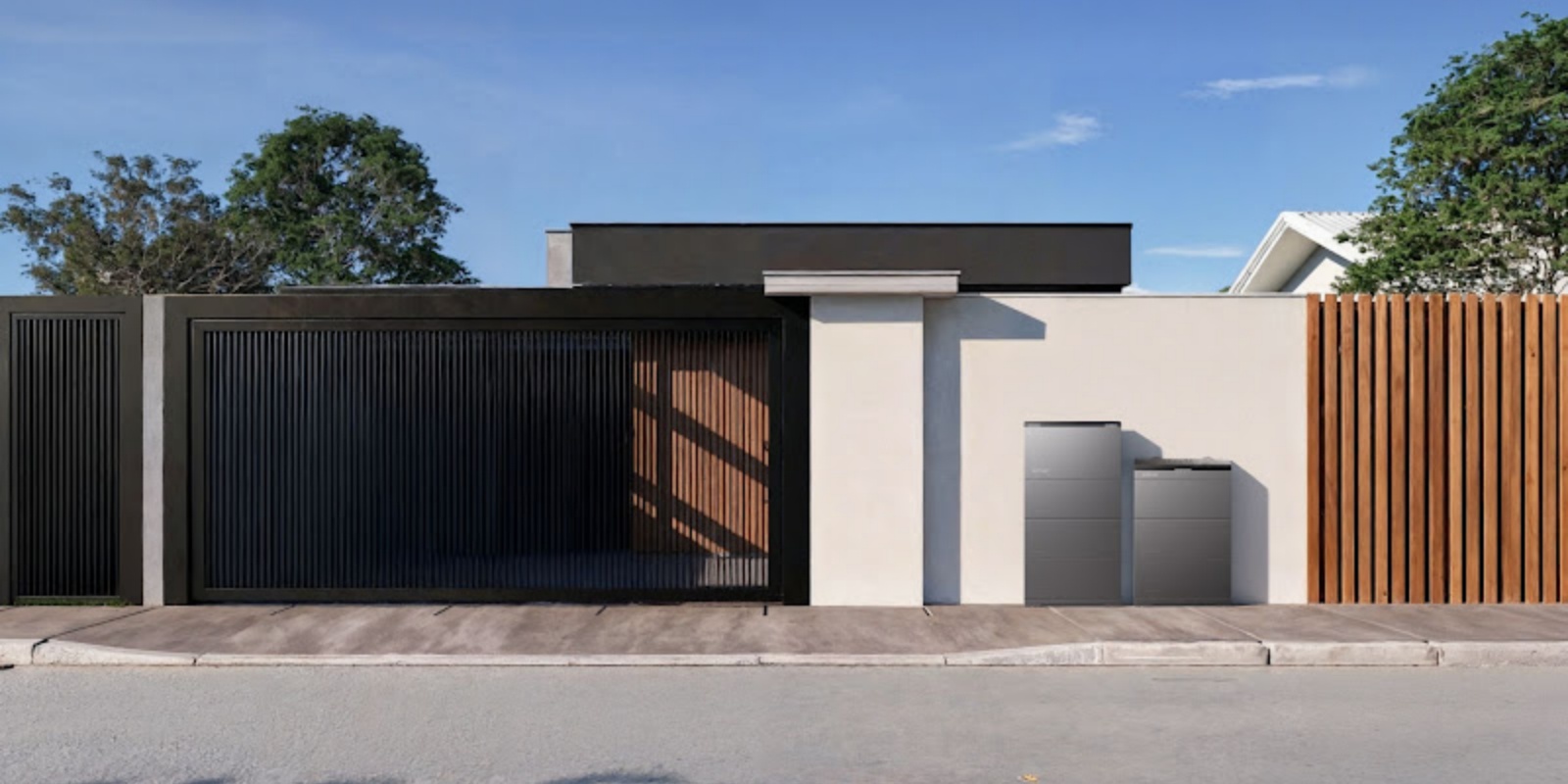
Very low thermostat settings can increase energy use without cooling your home faster. Cranking the thermostat right down doesn’t cool your place any faster. It just makes the system work harder for longer. Keep doors and windows closed, clean the filters regularly, and pick a sensible temperature. That’ll cut down on unnecessary runtime. Alt: Ecoflow OCEAN 2 Plus single phase home battery
How Can Australian Homes Reduce 7.1 kW Split System Running Costs?
You don’t have to sweat through summer to keep your cooling bills in check. A few practical passive cooling measures and smarter operating habits can bring your power costs down straight away, without sacrificing comfort.
Improving Cooling Efficiency Before Upgrades
Passive heat management reduces the baseline workload on your air conditioner before you even press the power button on your remote. Simple structural tweaks make a world of difference:
Block Direct Solar Radiation: External shading solutions such as blinds, awnings, and curtains can significantly reduce solar heat gain, although the actual impact depends on the material, installation position, and window type.
Seal Gaps and Drafts: Installing door snakes and weather strips around exterior doors prevents cool air from escaping and stops muggy outside air from seeping in.
Zone Off Unused Rooms: Keep bedroom and hallway doors closed so your 7.1 kW unit focuses exclusively on cooling the main open-plan living area.
Clean Dust Filters Monthly: Clogged mesh filters restrict airflow, forcing the fan motor and compressor to consume significantly more energy to achieve the same cooling output.
Optimizing Air Conditioner Usage And Settings
How you run your split system makes a big difference to your power bill. For many Australian households, a setting around 24–25°C can provide a practical balance between comfort and energy use. It keeps you comfortable and the compressor running efficiently. Drop it any lower and you’re adding 7% to 10% to your energy use for each degree. Pair the AC with a ceiling fan and connect your appliances through a smarter Home Energy Ecosystem to better manage household energy use, so you can maintain comfort without unnecessary electricity costs.
Using Solar Power During Peak Cooling Hours
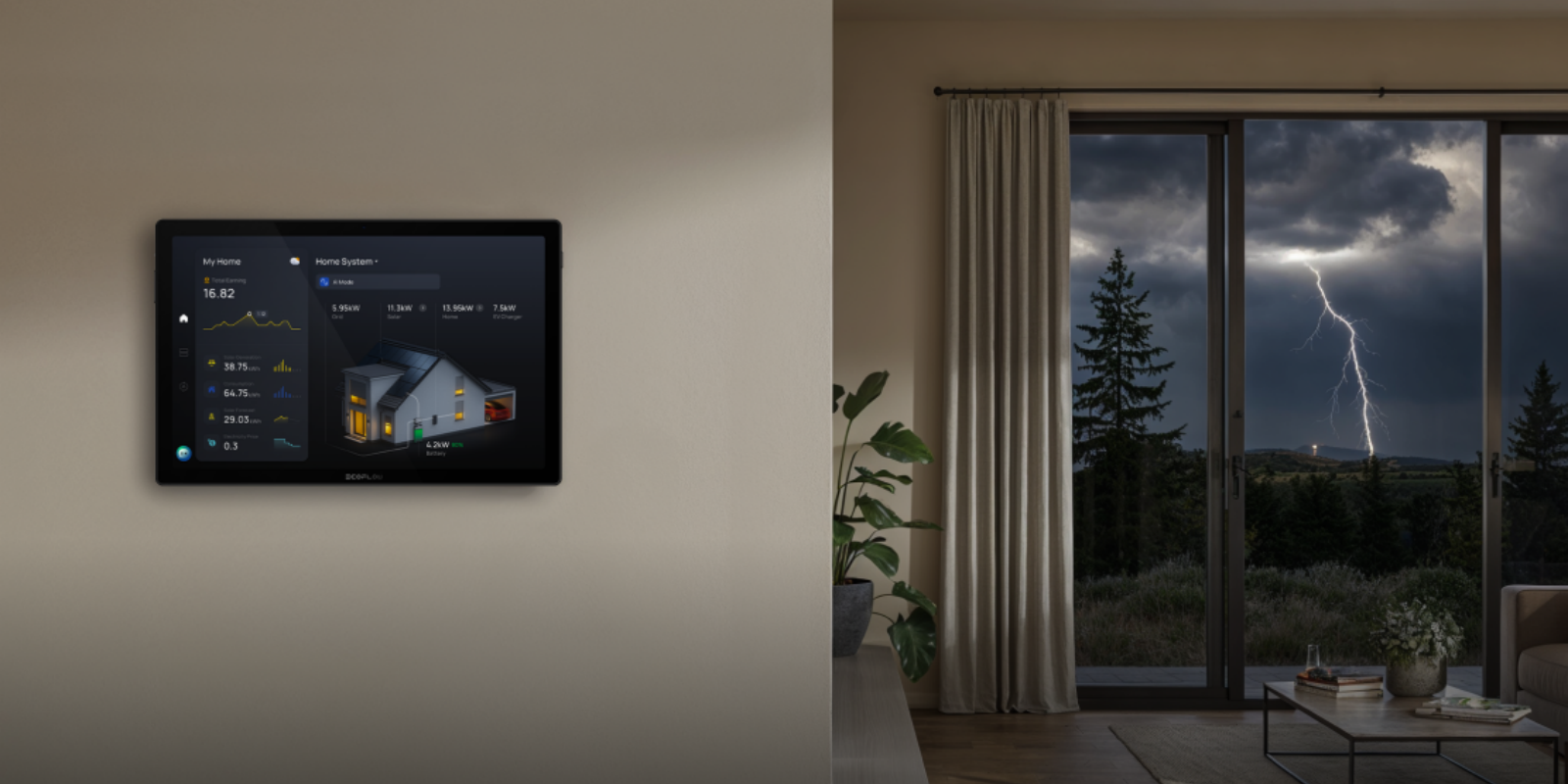
Australia has one of the world’s highest levels of rooftop solar adoption, making daytime solar generation an important energy resource for many households, so combining rooftop generation with solutions such as EcoFlow Solar Battery can help households make better use of excess daytime energy instead of sending it back to the grid. Pre-cooling your home slightly during strong solar generation hours can reduce evening cooling demand. Keeping the thermostat around 24–25°C is usually more efficient than aggressively over-cooling the house, when your panels are pumping out extra power. That cools down the whole house, and the thermal mass holds onto it. Come late afternoon, when the sun’s dropping and grid prices are climbing, your place stays comfortable without the AC working flat out. Alt: EcoFlow PowerInsight 2 Home Energy Monitor
How Can Solar And Battery Storage Support Lower Cooling Costs?
Daytime solar is a huge help, but modern energy needs go way beyond just cooling during the day. Solar batteries for home use allow households to store excess generation and better manage higher evening electricity demand.
Understanding Household Energy Consumption Patterns
In a typical Australian suburban home on a 35°C afternoon, it’s rarely just the air con that’s chewing through power. You might have a 7.1 kW split system pulling 2 kW, a pool pump running at 1.2 kW, a heat pump hot water system, and the usual kitchen gear all going at once. Your quarterly bill just shows one total figure, so working out which appliance is costing you the most is pretty much guesswork.
That’s where smart energy management comes in. The EcoFlow PowerInsight 2 provides a live dashboard for monitoring household energy flows, including solar generation, battery status, and connected devices. With better visibility into energy usage patterns, homeowners can identify high-consumption periods and adjust appliance schedules to make better use of solar energy.
Storing Solar Energy For Evening Cooling
There’s a familiar pattern during Australian summer heatwaves. The sun goes down around 6 PM, but the heat sticks around well into the night. Families get home, fire up the 7.1 kW split system to cool the living and bedrooms, and end up pulling expensive grid power right when peak tariffs are at their highest.
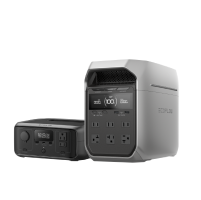
A home battery like the EcoFlow OCEAN 2 Plus Single Phase helps address this challenge by capturing excess solar energy during the day and storing it for later use. When solar generation drops in the evening, stored energy can help power air conditioning and other household loads, reducing reliance on grid electricity during higher-cost periods. This gap between daytime solar generation and nighttime cooling demand is one of the key use cases where home battery storage can provide value. This can help reduce grid reliance, lower electricity costs, and limit exposure to higher peak tariffs.
Compare Different Cooling Energy Options
To see how solar and battery storage change the game on cooling costs, the table below breaks down typical summer running expenses across a few common home setups.
| Energy Setup Configuration | Daytime Cooling Cost (10 AM – 4 PM) | Evening Peak Cooling Cost (4 PM – 9 PM) | Overnight Cooling Cost (9 PM – 6 AM) | Overall Grid Reliance & Financial Impact |
|---|---|---|---|---|
| Grid Only | Moderate ($0.35/kWh) ~ $3.78 | High ($0.55/kWh) ~ $4.95 | Low-Moderate ($0.28/kWh) ~ $3.78 | 100% Grid Dependent: High exposure to rising tariffs and peak power surges. |
| Rooftop Solar Only | $0.00 (Self-consumed solar) | High ($0.55/kWh) Grid takes over as solar fades | Low-Moderate ($0.28/kWh) Higher grid reliance when solar generation is unavailable. | 50% Grid Dependent: Excellent daytime ROI, but unshielded from expensive evening cooling. |
| Solar + EcoFlow OCEAN 2 Plus & PowerInsight 2 | Reduced electricity cost when solar generation covers usage | Lower grid dependence by using stored solar energy | Depends on battery capacity, remaining charge, and household demand | Can reduce reliance on grid electricity by shifting solar energy use from daytime to evening periods. |
Note: The figures above are about the bills you save, not the cost of the gear itself. Hardware, installation, and maintenance aren’t included. For many Australian households, a 6.6kW solar system paired with battery storage can provide a practical balance between daytime generation, cooling demand, and long-term energy savings. Payback usually depends on your state’s feed-in tariffs, local rebates, and how much power you use day to day.
Schedule Your Free Consultation Today!
What kind of product or solution are you interested in?
Conclusion
A correctly sized 7.1 kW split system can provide effective cooling for suitable spaces, but performance and running costs depend on climate, insulation, room size, system efficiency and how the unit is operated. But keeping your running costs in check comes down to a mix of good habits and smart tech. Set the thermostat to 24°C, close off rooms you’re not using, pre-cool during solar production hours, and pair the system with storage like the EcoFlow OCEAN 2 Plus Single Phase and live monitoring through PowerInsight 2. Do that, and you’ll keep the place comfortable without the bill blowing out.
Disclaimer: The electricity costs and savings estimates in this article are based on example usage scenarios and typical electricity rates. Actual costs will vary depending on your electricity tariff, climate conditions, air conditioner efficiency, solar generation, battery capacity, and household energy consumption patterns.
FAQ
What area will a 7.1 kW air conditioner cool?
A 7.1 kW split system can typically cool around 40–60 square metres, depending on insulation, ceiling height, windows, climate, and room layout.
How do I know if my AC is using too much electricity?
Check your daily kWh usage during cooling periods. If consumption is unusually high or the system runs constantly, check the filters, airflow, thermostat settings, and overall system condition.
How much solar power do you need to run an air conditioner?
A 7.1 kW air conditioner may require around 2–2.5 kW of electrical power while operating, although actual demand varies with conditions. A 6.6 kW solar system can often help offset daytime electricity consumption from a 7.1 kW air conditioner, although actual performance depends on weather, system orientation, and household usage.
How much electricity does a 7 kW air conditioner use?
A 7.1 kW air conditioner may use around 1.7–2.2 kWh of electricity per hour during typical cooling, but actual consumption varies with temperature, settings, and compressor load.
Is it cheaper to run your AC all day or turn it off and on?
If you’re away for several hours, turning the AC off is generally cheaper. When you’re home, setting it to around 24°C and using solar power during the day can help reduce running costs.