200W PV Panel: Is It Enough for Small Solar Systems in Australia? (2026 Guide)
While 200W solar panels are popular for their portability and price, they aren’t a one-size-fits-all solution. Understanding the gap between theoretical power and actual Aussie output is the difference between a cold beer and a dead battery. In this 2026 guide, we analyze the daily yield you can expect across Australia, what gear you can run, and the limitations of small-scale solar for modern homes.
What Does a 200W PV Panel Mean?
Before you bolt anything to your roof or prop it up on the grass, you need to know what that “200W” sticker actually signifies in the Australian climate.
1. Understanding Rated Power vs Real Output
The 200W rating is a “Standard Test Condition” (STC) measurement. In the real world, panels rarely hit their theoretical max due to heat, dust, and atmospheric haze. Usually, you’ll see about 80% of that rated power during peak hours.
2. Daily Energy Output in Australia
The following table shows the estimated daily energy yield from a single 200W PV panel, accounting for standard system losses (~20%) and regional climate variations.
These estimates are based on Australia’s average peak sun hours (sourced from the Australian Bureau of Meteorology) and assume a typical system efficiency of around 75–80% after inverter, temperature, and wiring losses.
| Region / State | Avg. Peak Sun Hours | Estimated Daily Yield | What This Powers (Example) |
|---|---|---|---|
| Northern Territory | 5.5 Hours | ~1.3 kWh | 45L Fridge (24h) + Laptop (3h) |
| Queensland / WA | 5.0 Hours | ~1.2 kWh | 40L Fridge (24h) + 15x Phone Charges |
| New South Wales | 4.5 Hours | ~1.0 kWh | 40L Fridge (24h) + LED Lights (5h) |
| Victoria (Melbourne) | 3.5 Hours | ~0.7 kWh | Small 12V Fan (8h) + Phone Charges |
| Tasmania | 3.0 Hours | ~0.6 kWh | Essential Lighting + Phone Charges |
In simple terms, a 200W panel producing around 1kWh per day is enough for basic off-grid needs, but not for running a modern household.
Of course, actual output can be affected by a variety of factors. Let’s take a closer look at what commonly causes solar panel performance to drop.
3. Factors That Affect Solar Output
While the Australian sun is powerful, several real-world power suckers can drain your 200W panel’s efficiency.
Shading: Think of solar cells like a string of lights—if one is blocked, the whole string suffers. Even a tiny shadow from a roof rack or a bird dropping on 10% of the panel can slash your output by 50%.
Angle & Orientation: In the Southern Hemisphere, Facing North is the gold standard. While flat-mounting works in a Queensland summer, tilting your panel toward the sun in a Victorian winter can increase your energy harvest by up to 40%.
The Heat Paradox: Solar panels love light but hate heat. On a 40°C Outback day, a panel’s surface can hit 65°C, dropping efficiency by 15%. Always leave a 25mm–50mm air gap underneath fixed panels to allow for cooling airflow.
The Aussie Dust Factor: Red outback dust or coastal salt crust acts like a “filter” for the sun. A dirty panel can lose 20% of its power. A quick wipe with a damp cloth once a week is the difference between a cold beer and a warm fridge.
What Can a 200W Solar Panel Power?
So, with roughly 1kWh of available energy, what devices can you realistically run on a daily basis?
1. Common Devices You Can Run
A 200W setup is perfect for the basics. Think LED camp lights, charging your smartphones and laptops, or running a small 12V fan to keep the flies away during lunch.
2. Real-Life Example: Camping in Australia
Imagine you’re parked up near the Ningaloo Reef. A 200W panel is the “sweet spot” for keeping a 40L-50L portable fridge-freezer running indefinitely, provided the sun is out. It covers the fridge’s draw and tops up your battery for the overnight stretch.
3. Quick Energy Usage Table
| Device | Average Wattage | Hours of Use (on 1kWh/day) |
|---|---|---|
| LED Camp Lights | 10W | 20+ Hours |
| Smartphone Charge | 5W | 20+ Full Charges |
| 12V Portable Fridge | 40W | 24 Hours (Cycling) |
| Laptop | 60W | 10–15 Hours |
Is a 200W PV Panel Enough for Small Solar Systems?
While 200W is a legend for the “off-grid light” lifestyle, it’s important to manage your expectations when it comes to a fixed residential setting.
1. Ideal Use Cases
It’s brilliant for 4WD canopies, small caravans, garden sheds, or as a trickle charger for boat batteries. If your goal is “portability,” 200W is your best mate.
2. When 200W Is Not Enough
For many Aussie households facing sky-high energy prices, a single 200W panel quickly hits its limit. You’ll likely find yourself with plenty of power at noon but sitting in the dark by 8 PM. This highlights a key limitation of small solar setups: the problem is often not generation, but storage. Without sufficient battery capacity, excess solar energy generated during the day simply goes to waste.
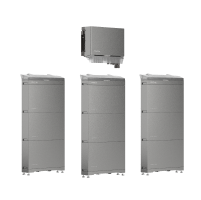
If you’re looking to truly slash those power bills or go “energy independent,” you need to bridge the gap between generation and storage. This is where the EcoFlow PowerOcean(Single-Phase) shines. Unlike a basic 200W kit, the PowerOcean is a modular home battery system designed for Aussie homes. You can start small and expand from 5kWh up to 45kWh as your family grows. It stores the sun’s bounty during the day so you can use it at night, and in the event of a summer bushfire or a wild storm, it provides reliable backup power that a small portable panel simply can’t match.
.webp)
What Components Are Needed for a 200W Solar System?
You can’t just plug a toaster into a solar panel. You need a “team” of components to make the magic happen.
1. Essential Equipment List
The Panel: The 200W PV unit itself.
Solar Charge Controller: (MPPT is best) to regulate the voltage.
Battery: Typically a 100Ah Lithium (LiFePO4) or AGM battery.
Inverter: To turn DC power into the 230V AC power used by Aussie wall plugs.
2. How These Components Work Together
The panel catches the sun, the controller makes sure the battery doesn’t “cook,” the battery stores the energy, and the inverter lets you plug in your gear. Simple as that. For larger setups, these same components are often integrated into a unified home energy ecosystem to automate power management across the home.
3. Fixed vs. Folding vs. Solar Blankets
Fixed: Best for the roof of the van. Set and forget.
Folding: Great for parking in the shade and putting the panels in the sun.
Blankets: Extremely light and packable, perfect for hikers or those short on space.
How Much Does a 200W Solar System Cost in Australia?
Setting up a 200W system won’t break the bank, but you get what you pay for.
| Component | Budget Range | Premium Range | Pro Advice for Aussies |
|---|---|---|---|
| 200W PV Panel | $180 – $300 | $350 – $600 | Go for Shingle-cell technology; it handles those annoying shadows from roof racks much better. |
| Charge Controller | $80 (PWM) | $250 (MPPT) | Don't skimp here. A 20A MPPT is the only way to squeeze 200W out of the Victorian winter sun. |
| 100Ah Battery | $450 (AGM) | $950 (LiFePO4) | Lithium is king. It’s half the weight of an AGM battery and lasts 5x longer in the Outback heat. |
| Cabling & Fuses | $40 | $120 | Use 6mm² twin-core cable to minimize voltage drop—cheap, thin wires are power thieves. |
| Total Build | ~$750 | ~$1,920 | A decent mid-range "Plug & Play" kit usually sits around $850 - $1,100. |
1. Payback Period in Australia
If you’re using this to avoid “powered sites” at caravan parks (which can cost $50+ a night), the system pays for itself in just one or two long road trips.
2. Are There Any Rebates?
According to the Australian Government Clean Energy Regulator, Small-scale Technology Certificates (STCs) generally apply to residential systems of 6kW or larger. This means a small 200W portable kit typically does not qualify for government rebates. However, you still save on powered camping fees—a practical “rebate” in its own right.
How to Maximise Output from a 200W PV Panel
To get every last drop of energy, you’ve got to be a bit smart about how you manage your setup.
1. Installation & Optimization Tips
Keep your panels clean! A layer of red outback dust can drop efficiency by 20%. Also, try to tilt your panels toward the sun; a flat panel is rarely a happy panel.
2. Monitoring with Smart Tech
Even with a 200W setup, many users struggle to know where their power is going or when it’s cheapest to use it. This is where EcoFlow PowerInsight 2 comes in. It’s an intelligent energy dashboard that tracks your solar generation and home consumption in real-time. Especially with Australia’s Time-of-Use (TOU) tariffs, PowerInsight 2 helps you optimize your usage—telling you when to lean on your PowerOcean storage and when to tap the grid. It turns “guessing” into “managing.”
.png)
200W vs 400W vs 600W Solar Panels: Which One Should You Choose?
| Feature | 200W | 400W | 600W |
|---|---|---|---|
| Portability | Excellent | Heavy/Bulky | Fixed Only |
| Best For | Phones & Fridge | Caravan Off-grid | Tiny Homes |
| Typical Cost | ~$300 | ~$600 | ~$900 |
200W: Best for weekend warriors and light electronics.
400W: The sweet spot for full-time van lifers who need a microwave or coffee machine.
600W: For those wanting true independence and more “residential-style” reliability.
Conclusion
A 200W PV panel is a practical starting option for renewable energy and remains a reliable choice for the Australian climate. However, if your energy requirements extend beyond short-term outdoor use, an integrated system with high-capacity solar batteries, like the EcoFlow PowerOcean, offers a more comprehensive solution for managing your home’s long-term energy needs.
Schedule Your Free Consultation Today!
What kind of product or solution are you interested in?

FAQ
1. How many batteries do I need for a 200W panel?
One 100Ah Lithium (LiFePO4) battery is the gold standard for a 200W panel, as it creates a balanced system where the panel can comfortably recharge the daily “draw” (around 40-60Ah) during a typical sunny Aussie day. If you go much larger with your battery bank without adding more panels, you’ll struggle to ever reach a 100% state of charge; go smaller, and you won’t have enough “buffer” for a rainy day in the Otways.
2. How long will a 200W solar panel run a fridge?
In most conditions, it can run continuously as long as daily solar input matches or exceeds the fridge’s consumption, provided you have a decent battery (around 100Ah) and at least 4 to 5 hours of peak sunlight daily to replenish what the fridge consumes. Most modern 12V compressor fridges (like a Dometic or Engel) pull about 1-2 Amps per hour on average; a 200W panel generates roughly 10-12 Amps per hour in full sun, which is more than enough to “stay ahead” of the fridge’s hunger.
3. Is a 200W solar panel enough for a caravan?
It’s plenty for the “essential” 12V lifestyle—lights, water pumps, fans, and a fridge—but it won’t touch heavy-duty 230V appliances. If you’re dreaming of running the air con during a Humpty Doo heatwave or zapping a meat pie in the microwave, you’ll need a much larger array (600W+) and a high-discharge lithium system to handle those massive power spikes.
4. How long does it take to charge a battery?
A 200W panel will take roughly 5 to 8 hours of direct, high-overhead sunlight to charge a standard 100Ah battery from 50% back to 100%. Keep in mind that “solar noon” is your best friend here; charging speeds will be significantly slower at 9 AM or 4 PM when the sun is hitting the panel at a sharp angle.
5. Do I need council approval for small solar setups?
According to the Clean Energy Council (CEC), portable or small-scale off-grid solar setups,including panels on sheds or campervans—generally do not require council approval in Australia. For permanent rooftop installations connected to the grid, however, you must use a CEC-accredited installer and follow local building codes to qualify for rebates and feed-in tariffs.
6. Will a 200W panel still work on a cloudy day?
Yes, but don’t expect miracles. Output usually drops to about 10% to 25% of its rated capacity in overcast conditions. While it might still trickle-charge your phone, it won’t be enough to keep a hungry fridge running for long, which is why having a larger storage battery is a “must-have” for the unpredictable Aussie weather.